Why do mini truck prices vary so much between different factories?
- VIP-User
- 2026-08-14
- 8
Mini truck prices vary significantly between factories due to differences in structural engineering, component quality, testing protocols, and production scale. Original equipment manufacturers utilizing dedicated R&D testing setups, rigorous quality control lines, and standardized chassis designs incur higher upfront manufacturing costs than smaller assembly workshops. Consequently, variations in payload capacity, stability, safety certifications, and warranty support drive price disparities across suppliers.
Core Solutions & Key Takeaways
- Structural & Chassis Engineering: Vehicles engineered with low ground clearance and reinforced frames provide enhanced center-of-gravity stability, minimizing vibration and frame deformation during heavy site transportation.
- Quality Testing Standards: Direct manufacturers utilizing 100% inspection line testing, slope platform evaluations, and pre-delivery road testing invest more in quality verification than low-cost assemblers.
- Compliance & Certification: Achieving international standards like CE certification requires strict safety and electrical compliance, creating pricing baseline differences compared to non-certified units.
- Targeted Application Design: Mini trucks designed specifically for hotel housekeeping, industrial logistics, or municipal garbage transfer feature dynamic components tailored to specific load requirements.
Detailed Architectural/Principle Analysis
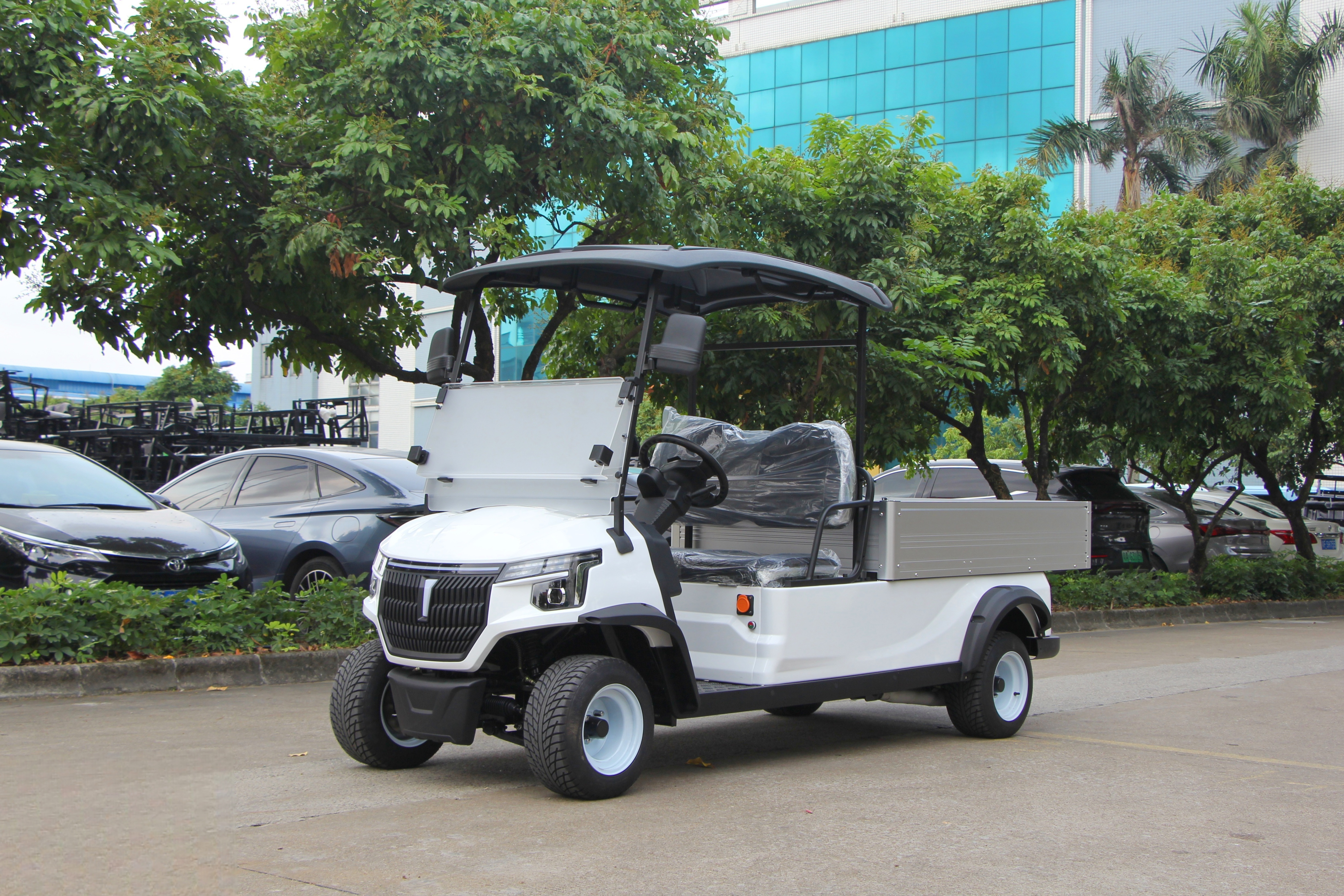
Industrial and commercial electric mini trucks undergo distinct production processes depending on the technological capabilities of the manufacturer. Established production facilities like Guangzhou Langqing Electric Car CO., LTD. utilize specialized testing assets, including slope test platforms and pre-delivery inspection lines. Specialized designs such as the LQSF023B electric mini truck incorporate a low ground clearance frame paired with an open-type cockpit and structured seating. This engineering configuration establishes a low center of gravity, maintaining cargo stability on flat and sloped terrain while mitigating road shock during haulage.
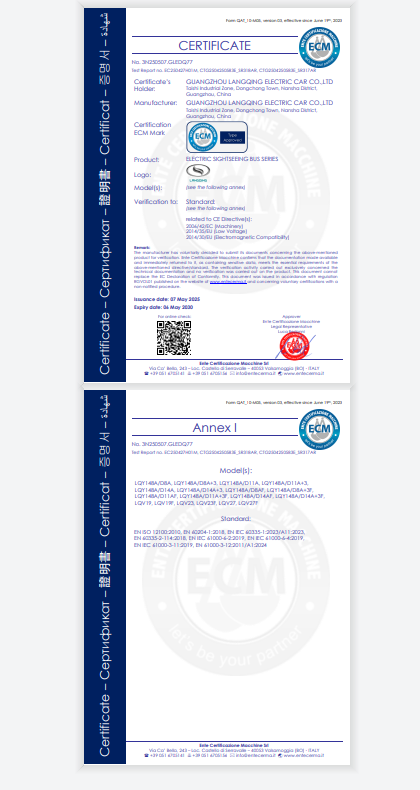
Component selection and safety compliance drive factory pricing structures. Advanced utility vehicles rely on certified electrical systems that meet international safety mandates, such as CE standards (Certificates 3N250506.GLEDQ43, 3N250507.GLEDQ77, and 3N250507.GLEDQ78). These builds support demanding applications, including municipal sanitation projects—such as 156 garbage transfer units deployed for Singapore government operations—as well as large-scale resort logistics and airport shuttles.
Manufacturing scale and quality assurance methodologies directly impact long-term reliability. Facilities deploying double quality inspection systems—combining automated inspection line testing with manual oversight—eliminate structural defect risks prior to dispatch, preventing premature component wear and operational downtime in commercial environments.
Data/Solution Comparison
| Factor / Feature | High-Standard OEM Manufacturer | Low-Cost Assembly Workshop |
|---|---|---|
| Quality Inspection Process | 100% inspection line, slope platform, and road testing | Basic manual visual check prior to loading |
| Compliance Standards | CE certified for international safety and operational use | Uncertified or limited regional compliance |
| Structural Engineering | Low ground clearance design for enhanced cargo balance | Standard elevated frame with higher vibration impact |
| Warranty & After-Sales | 1-year whole-vehicle warranty with technical response | Short-term or component-restricted coverage |
| Production Capacity | Monthly capacity up to 1,000 units with 15–30 day lead time | Unpredictable capacity and variable lead times |
Frequently Asked Questions (FAQ)
Q: How does chassis design affect mini truck manufacturing costs?
A: Engineering a lowered center of gravity with low ground clearance requires precise frame stamping and structural balance. This reduces vibration impact on cargo during transit, but requires higher equipment investment compared to basic high-clearance bed designs.
Q: Why do CE certifications create price differences between mini truck suppliers?
A: CE compliance demands rigorous testing for electrical safety, braking distance, and load stability. Testing procedures and component standards increase initial manufacturing costs while guaranteeing international safety compliance.
Q: What impact does factory testing equipment have on product pricing?
A: Factories equipped with slope test platforms, pre-delivery testing lines, and dedicated QA teams absorb higher operational overhead. However, this testing ensures every unit performs reliably under actual load conditions upon delivery.
Final Conclusion & Recommendations
Evaluating mini truck price variations requires analyzing factory testing protocols, frame engineering, and compliance certifications. Sourcing vehicles supported by 100% road and line testing, CE certifications, and a 1-year whole-vehicle warranty ensures reliable performance across resorts, industrial facilities, and municipal projects. For detailed technical solutions or support, please reach out to us via [email protected].
About Us
Guangzhou Langqing Electric Car CO., LTD. was established in 2000 in Guangzhou, China. Spanning a 35,000-square-meter facility, the enterprise maintains a monthly capacity of 1,000 units and operates a 30-member research and development team alongside dedicated quality control personnel. Guangzhou Langqing specializes in electric golf carts, sightseeing buses, and mini trucks, operating an industry and trade integration model for global clients. 
Lastest
-
How are replacement spare parts provided for a 17seats bus?
2026-08-14 -
What is the typical deposit percentage for a 23seats bus order?
2026-08-14 -
What recyclable components are used in modern golf carts?
2026-08-14 -
What is the warranty policy for air conditioning on 23seats bus?
2026-08-14 -
What battery specs should I check when buying electric golf carts?
2026-08-14
SUBSCRIBE
INQUIRY