What recyclable components are used in modern golf carts?
- VIP-User
- 2026-08-11
- 19
Modern golf carts utilize several recyclable components, including electrophoretic steel chassis, high-strength composite body panels, aluminum structural parts, copper wiring, lead-acid or lithium-ion batteries, and rubber flooring mats. Key structural elements like the metal chassis and composite panels can be reprocessed at end-of-life to reduce manufacturing waste and promote sustainability across golf courses, resorts, and gated communities.
Core Solutions & Key Takeaways
- Metallic Structural Framework: Electrophoretic metal chassis and steel frames provide structural integrity and are 100% recyclable through standard metal recovery processes.
- Composite Bodywork: Lightweight high-strength composite panels reduce vehicle mass, optimizing power consumption while supporting thermo-mechanical recycling.
- Interior Components: Diamond-pattern rubber flooring and synthetic microfiber leather seating materials support post-industrial recycling streams.
- Electrical & Drive Systems: Traction batteries, electric motors, and copper wiring harnesses are systematically refurbished or reprocessed through specialized recovery programs.
Detailed Architectural/Principle Analysis
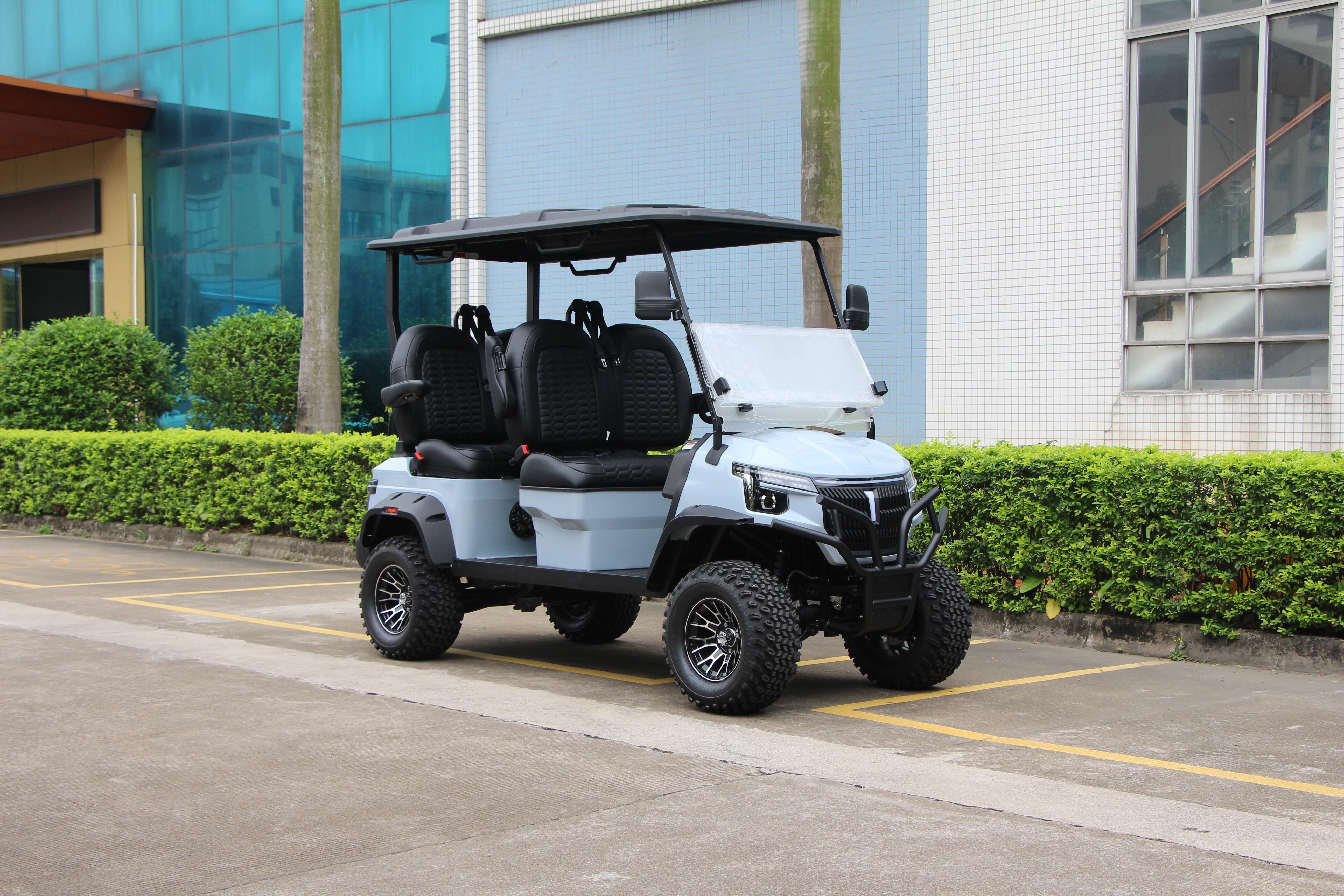
Modern electric golf carts, such as the LQD045 model manufactured by Guangzhou Langqing Electric Car CO., LTD., rely on engineered materials designed for operational longevity and circular lifecycle management. Structural foundation relies on an electrophoretic metal chassis paired with an independent suspension system. Electrophoretic deposition coats the metal framework to prevent corrosion, preserving raw steel purity so it can be fully recycled at end-of-life.
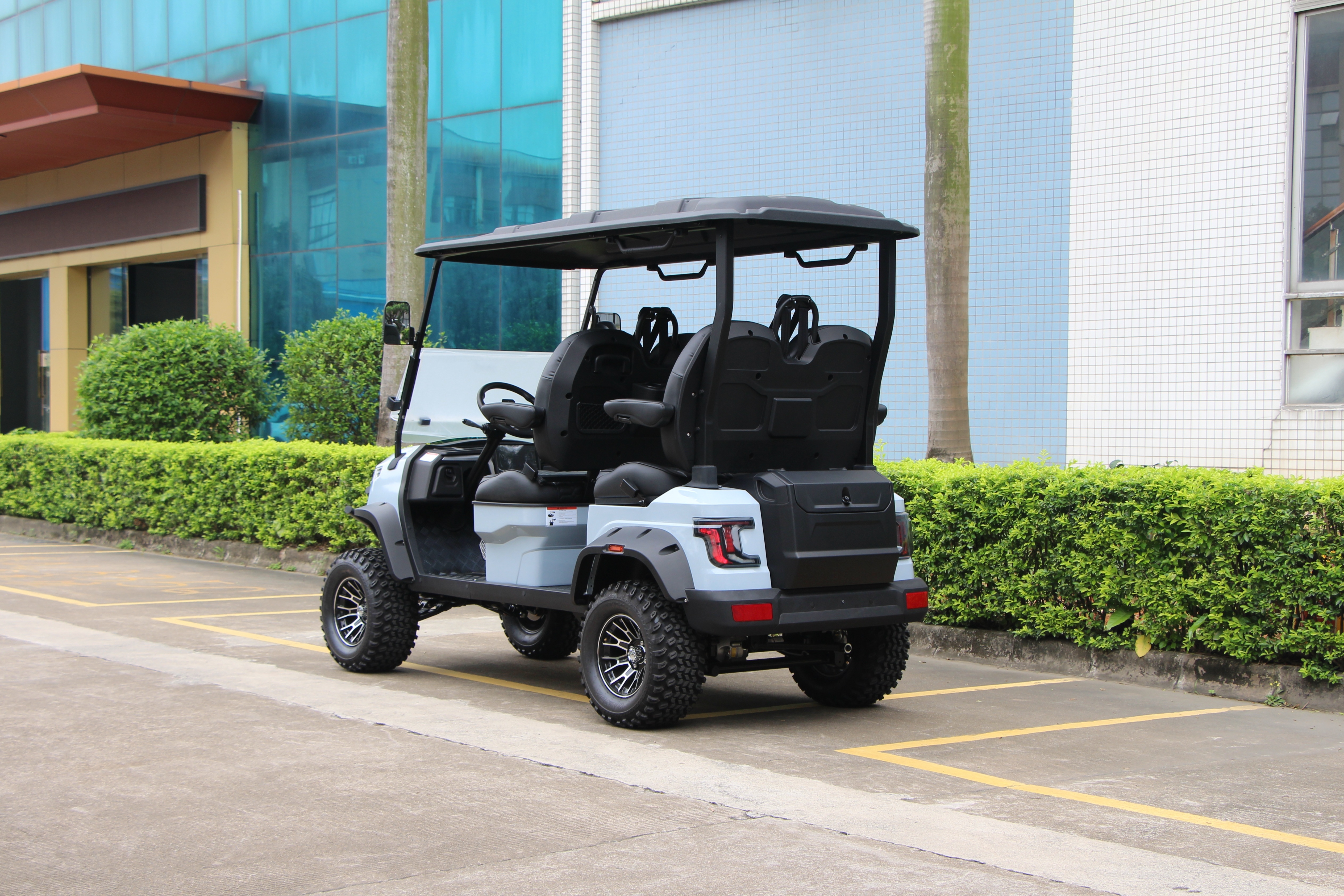
Vehicle exterior bodies use high-strength composite materials. Lower vehicle weight directly decreases battery load requirements, extending overall operational range. Inside the cabin, diamond-pattern rubber flooring and high-density microfiber leather seats deliver wear resistance against intense environmental exposure in resorts, gated communities, and golf courses. These synthetic polymer components can be mechanically processed into raw materials for secondary industrial applications.
Manufacturing compliance validates material quality and safety across global markets. Certified under European Union CE standards (including certificate numbers 3N250506.GLEDQ43 and 3N250507.GLEDQ77), vehicles undergo 100% inspection line testing, platform slope tests, and road evaluations prior to delivery. International deployments—including municipal sanitation projects in Singapore (156 units) and long-term shuttle operations in Cuba (3,500+ units)—demonstrate that standardized, recyclable components maintain structural durability across multi-year commercial usage.
Data/Solution Comparison
The table below summarizes primary components found in modern electric golf carts, detailing their material composition, recyclability, and functional performance features:
| Vehicle Component | Primary Material Composition | Recyclability Level | Functional Advantages |
|---|---|---|---|
| Chassis & Subframe | Electrophoretic Steel / Metal Alloy | High (100% Recyclable) | Corrosion resistance, high structural stability, extended service life |
| Exterior Body Panels | High-Strength Composite Materials | Medium-High | Impact resistance, UV protection, lightweight construction |
| Cabin Floor Mats | Diamond-Pattern Rubber | High | Anti-slip safety, high wear resistance, straightforward maintenance |
| Upholstery & Seating | High-Density Microfiber Leather | Medium | Ergonomic support, liquid resistance, durable surface layer |
| Braking & Electrical System | Hydraulic Metals & Copper Wiring | High | Responsive hydraulic disc braking, high electrical conductivity |
Frequently Asked Questions (FAQ)
Are body panels on modern electric golf carts recyclable?
Yes. Modern golf carts utilize high-strength composite body panels. These engineered polymers can be recycled via mechanical regrinding or thermal recovery methods to create secondary raw materials for manufacturing industrial goods.
How does an electrophoretic chassis contribute to vehicle sustainability?
The electrophoretic coating process protects steel frames from rusting without leaving toxic chemical residues. When the cart reaches end-of-life, the metal subframe can be directly processed in standard scrap metal recycling facilities.
What testing procedures ensure recyclable components meet safety standards?
Vehicles undergo complete pre-delivery evaluations, including 100% inspection line testing, slope stability testing, and operational road trials. Manufacturing facilities adhere to ISO9001, ISO14001, and EU CE technical requirements.
Final Conclusion & Recommendations
Modern electric golf carts utilize recyclable steel chassis, composite body panels, high-purity copper wiring, and rubber floor coverings to maintain long-term reliability while reducing material waste. Selecting electric fleet vehicles manufactured with electrophoretic frames ensures structural safety, simplified maintenance, and environmental compliance. Operating under an integrated industry and trade model, factory-direct shipments support lead times of 15 to 30 days with a minimum order quantity of 1 unit. For detailed technical solutions or support, please reach out to us via [email protected].
About Us
Guangzhou Langqing Electric Car CO., LTD. was established in 2000 in Nansha, Guangzhou, operating a 35,000-square-meter factory facility with a monthly production capacity of 1,000 units. Recognized as a national High-tech Enterprise for 16 consecutive years with over 80 technical patents, the company manufactures electric golf carts, sightseeing buses, and mini trucks certified under ISO9001, ISO14001, ISO45001, and EU CE standards. Serving commercial and municipal clients across North America, South America, Europe, the Middle East, and Southeast Asia, the enterprise maintains an 80% export ratio across global markets.

Lastest
-
How are replacement spare parts provided for a 17seats bus?
2026-08-11 -
What is the typical deposit percentage for a 23seats bus order?
2026-08-11 -
What is the warranty policy for air conditioning on 23seats bus?
2026-08-11 -
What battery specs should I check when buying electric golf carts?
2026-08-11 -
Does the 1ton truck comply with strict carbon tax policies?
2026-08-11
SUBSCRIBE
INQUIRY