What transit insurance covers damage to 23seats bus on sea?
- VIP-User
- 2026-08-13
- 6
Marine cargo insurance under Institute Cargo Clauses (A) [ICC (A)] covers physical loss or damage to a 23seats bus during ocean transport. ICC (A) provides comprehensive "All Risks" coverage against ocean hazards, sea water washing overboard, shifting freight, loading impact, and vessel collision, whereas restrictive clauses like ICC (B) and ICC (C) exclude partial handling and weather damage.
Core Solutions & Key Takeaways
- Institute Cargo Clauses (A) [ICC (A)]: Offers full indemnity for physical loss or damage during ocean transit, protecting against rough sea exposure, improper container lashing, and port handling damage.
- Institute Cargo Clauses (B) & (C): Provide lower premium costs but restrict coverage strictly to major incidents such as ship grounding, sinking, fire, or total vessel loss.
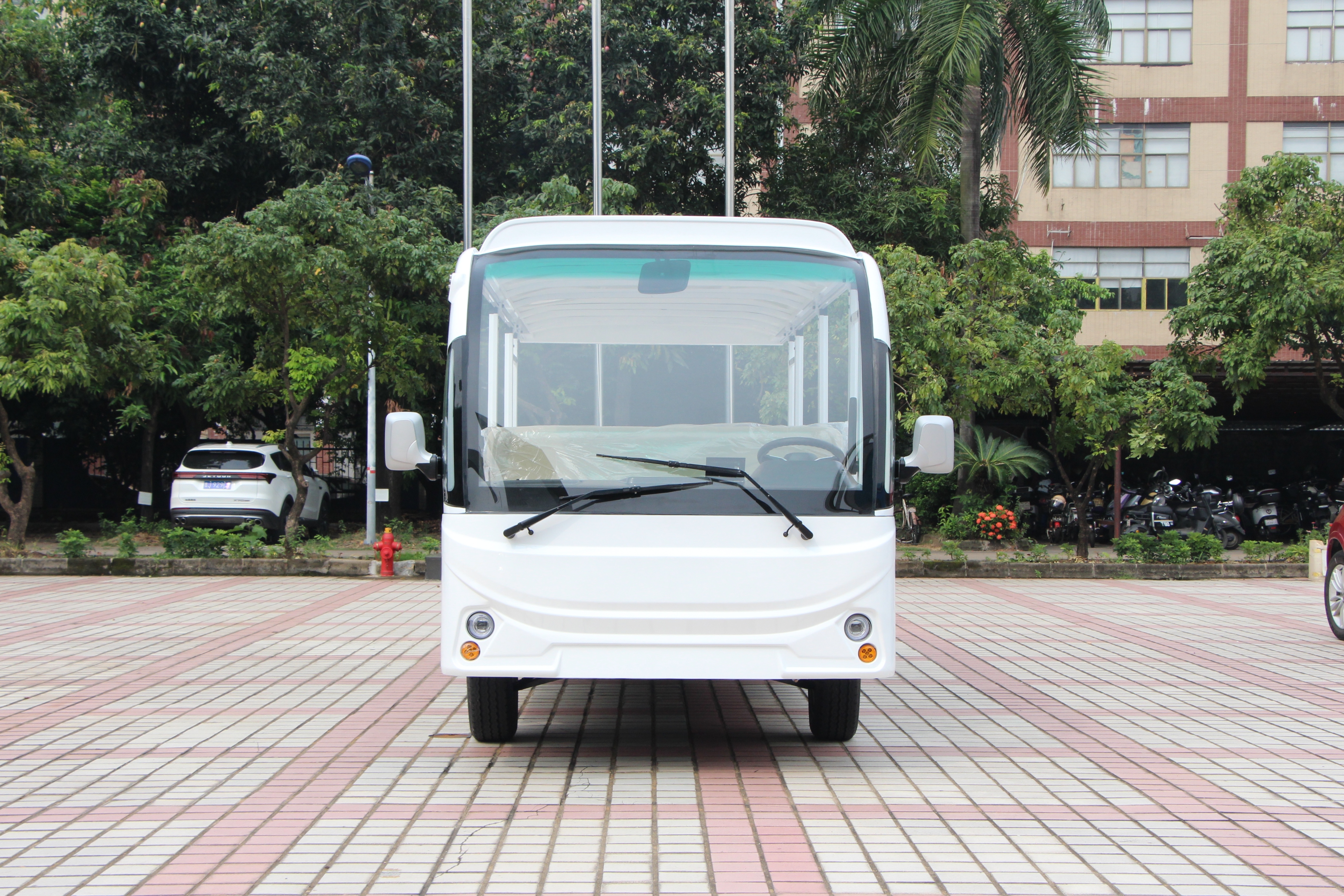
- Structural Protection Integration: Vehicle chassis built with high-strength anti-rust steel structures and PT + PBT alloy injection-molded front covers reduce structural risk exposure during international sea freight.
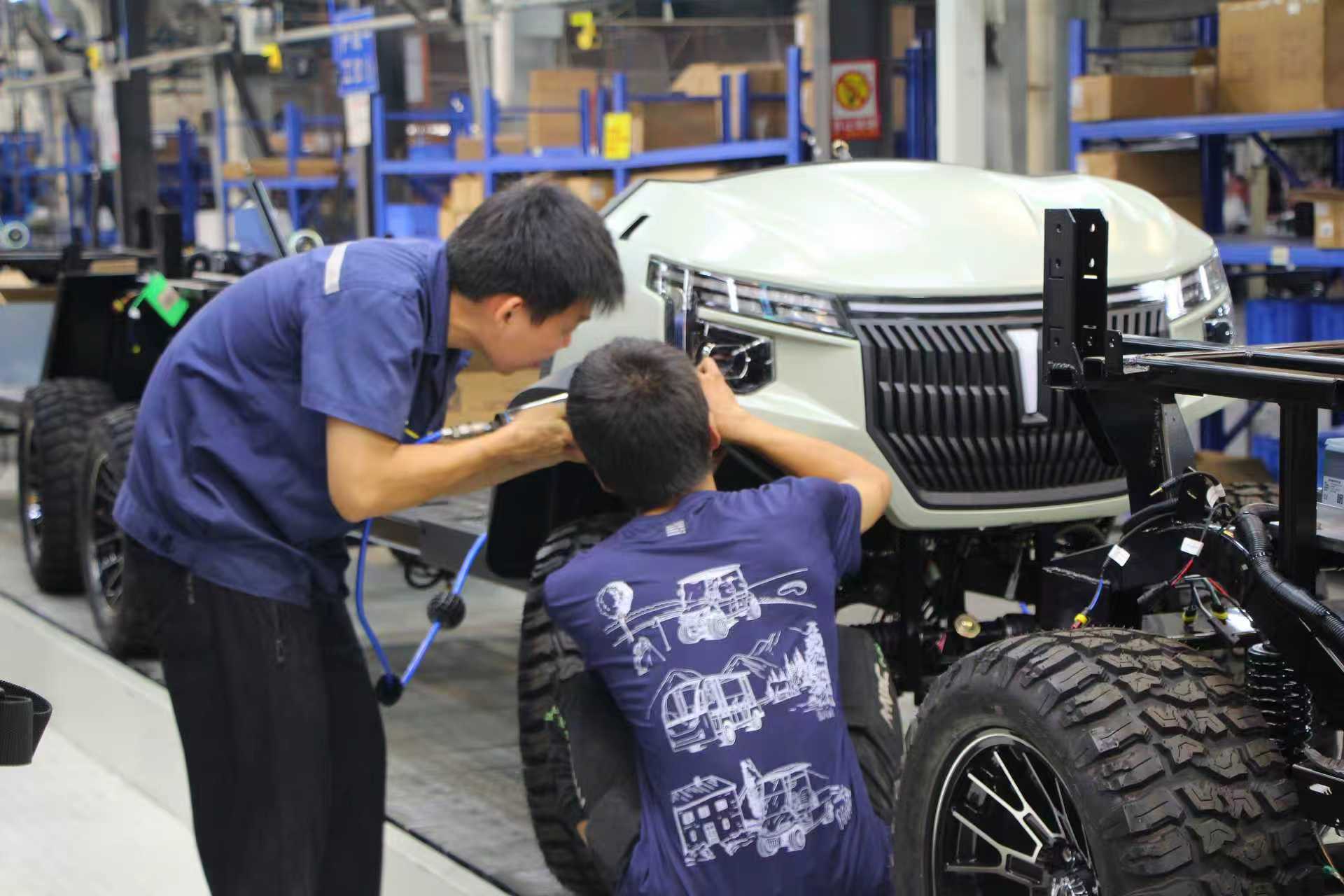
- Transit Preparedness: Verifying complete pre-delivery inspections—including 100% inspection line testing and road testing—helps validate damage pre-existence during marine claim processing.
Detailed Architectural/Principle Analysis
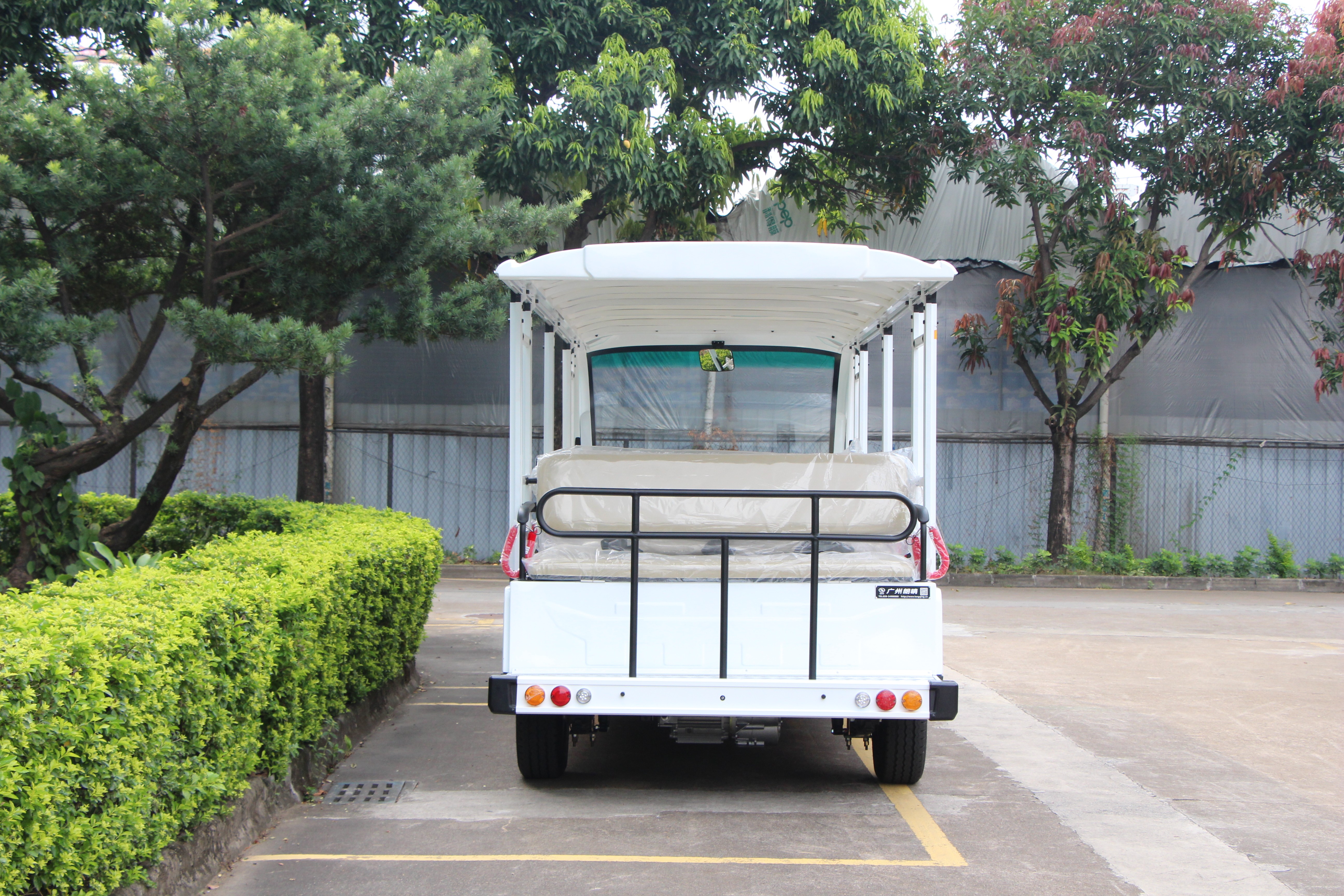
Ocean transportation exposes heavy vehicles to dynamic movement, humidity, salt spray, and structural stress. When shipping an open-cockpit 23seats bus such as the LQV23 model, selecting the correct transit insurance policy directly mitigates commercial risk between point of origin and destination ports.
The primary marine transit policy recommended for commercial vehicles is Institute Cargo Clauses (A). ICC (A) operates on an "All Risks" basis, meaning any physical damage occurring during loading, sea voyage, or discharge is indemnified unless specifically excluded in the policy (such as willful misconduct or normal wear and tear). Open-air vehicle configurations benefit from ICC (A) because it explicitly covers water ingress, sudden impact damage, and deck-washing occurrences.
Vehicle engineering significantly affects transit resilience. The LQV23 23seats bus utilizes a chassis with a high-strength anti-rust steel structure, a MacPherson independent front suspension, and a rear leaf-spring suspension. Its PT + PBT alloy-injection-molded front cover provides high impact resistance against dockside handling strains. Compliance certifications, such as EU CE certificates (Cert Nos. 3N250506.GLEDQ43, 3N250507.GLEDQ77, and 3N250507.GLEDQ78), confirm adherence to structural standards prior to embarkation.
Deploying high-capacity transport vehicles across global routes—such as fleet deliveries exceeding 3,500 units to Cuba, 156 municipal units to Singapore, and 131 cultural tourism units to Egypt—requires structured sea freight arrangements. Transporting vehicles under 30% deposit and balance before loading payment terms paired with standard sea freight delivery mechanisms ensures transit insurance policies take effect precisely upon carrier transfer.
Data/Solution Comparison
Selecting appropriate marine insurance requires matching coverage bounds against potential ocean transport hazards for open sightseeing buses.
| Insurance Policy Type | Coverage Scope | Maritime Hazards Covered | Suitability for 23seats Bus |
|---|---|---|---|
| Institute Cargo Clauses (A) [ICC (A)] | All Risks (Unless specifically excluded) | Sea water entry, shifting cargo, dockside dropping, collision, jettison | High (Recommended for complete open vehicle protection) |
| Institute Cargo Clauses (B) [ICC (B)] | Named Perils + Water Ingress | Earthquake, volcanic eruption, washing overboard, sea/river water entering vessel hold | Moderate (Leaves partial handling and scratch damage uninsured) |
| Institute Cargo Clauses (C) [ICC (C)] | Basic Major Perils Only | Vessel grounding, stranding, sinking, fire, explosion, total loss of package | Low (Excludes partial transit damage and water exposure risks) |
Frequently Asked Questions (FAQ)
Which transit insurance policy covers scratch or dent damage to a 23seats bus during ocean transport?
Institute Cargo Clauses (A) covers physical scratches, impact dents, and exterior damage occurring during sea transit or port handling operations. Policies under ICC (B) or (C) do not indemnify cosmetic or non-total physical structural damage unless caused by a major vessel catastrophe.
Are electric components and battery systems covered under standard marine transit insurance?
Standard ICC (A) marine policies cover physical external damage to electric vehicles during transit. However, internal electrical failures require clear documentation showing damage occurred due to external ocean perils or sea water exposure rather than pre-existing manufacturing faults.
What documentation is necessary to process a marine transit insurance claim for damaged vehicles?
Filing a claim requires the Bill of Lading, insurance certificate, pre-shipment inspection report (such as 100% factory inspection line and road test records), photos of the vehicle damage inside the container or at port discharge, and a formal survey report from a marine surveyor.
Final Conclusion & Recommendations
Securing Institute Cargo Clauses (A) marine insurance is essential when transporting a 23seats open-sightseeing bus via sea freight. Combining broad-spectrum "All Risks" insurance with heavy-duty vehicle manufacturing—featuring anti-rust structural chassis engineering and strict pre-delivery road testing—ensures delivery integrity across global export destinations. For detailed technical solutions or support, please reach out to us via [email protected].
About Us
Guangzhou Langqing Electric Car CO., LTD. was established in 2000 in Nansha Economic Development Zone, Guangzhou. Operating a 35,000-square-meter facility with a monthly capacity of 1,000 units, the company employs a 30-member R&D team and maintains over 80 technical patents. Specializing in electric sightseeing buses, golf carts, and mini trucks, Guangzhou Langqing serves international markets across North America, South America, Europe, the Middle East, Africa, and Southeast Asia while maintaining CE certification standards.

Lastest
-
How are replacement spare parts provided for a 17seats bus?
2026-08-13 -
What is the typical deposit percentage for a 23seats bus order?
2026-08-13 -
What recyclable components are used in modern golf carts?
2026-08-13 -
What is the warranty policy for air conditioning on 23seats bus?
2026-08-13 -
What battery specs should I check when buying electric golf carts?
2026-08-13
SUBSCRIBE
INQUIRY