What safety certificates are required for importing a 1ton truck?
- VIP-User
- 2026-08-14
- 6
Importing a 1ton electric truck requires key regional safety certifications such as EU CE certification for European markets, ISO9001 quality management compliance, and national road safety standards. Equipment must satisfy chassis structural integrity, braking performance, and electromagnetic compatibility tests to clear customs and ensure legal operational compliance.
Core Solutions & Key Takeaways
- EU CE Certification: Validates compliance with safety, health, and environmental protection standards required for commercial electric mini trucks entering European markets.
- Structural and Anti-Corrosion Engineering: High-strength steel chassis treated with electrophoresis and powder coating ensures structural durability against heavy cargo loads and severe weathering.
- Comprehensive Quality Control: Vehicles verified through 100% inspection line testing and mandatory road testing prior to shipping guarantee compliance with import safety criteria.
- Versatile Application Capabilities: Certified 1ton trucks suit specialized logistical duties across resorts, hotel complexes, industrial parks, and municipal utility tasks.
Detailed Architectural/Principle Analysis
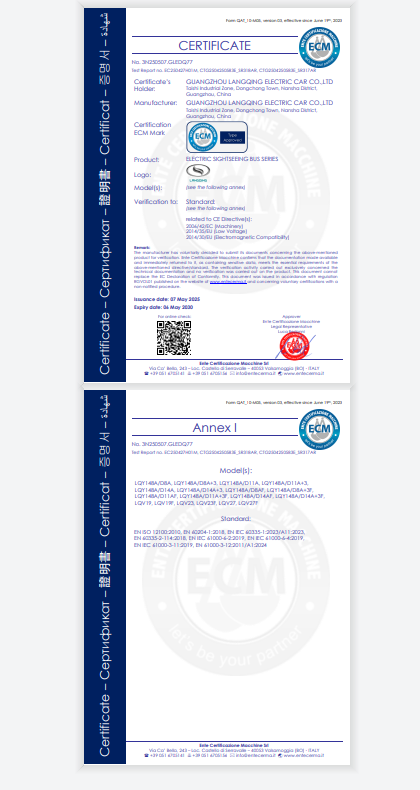
Regulatory authorities enforce strict entry criteria for electric transport vehicles. Importers must verify that vehicles meet standards governing electrical safety, mechanical endurance, and operational safety. For markets recognizing European standards, holding valid CE certifications—such as numbers 3N250506.GLEDQ43, 3N250507.GLEDQ77, and 3N250507.GLEDQ78—proves that electric mini trucks fulfill mandatory structural and drive system requirements.
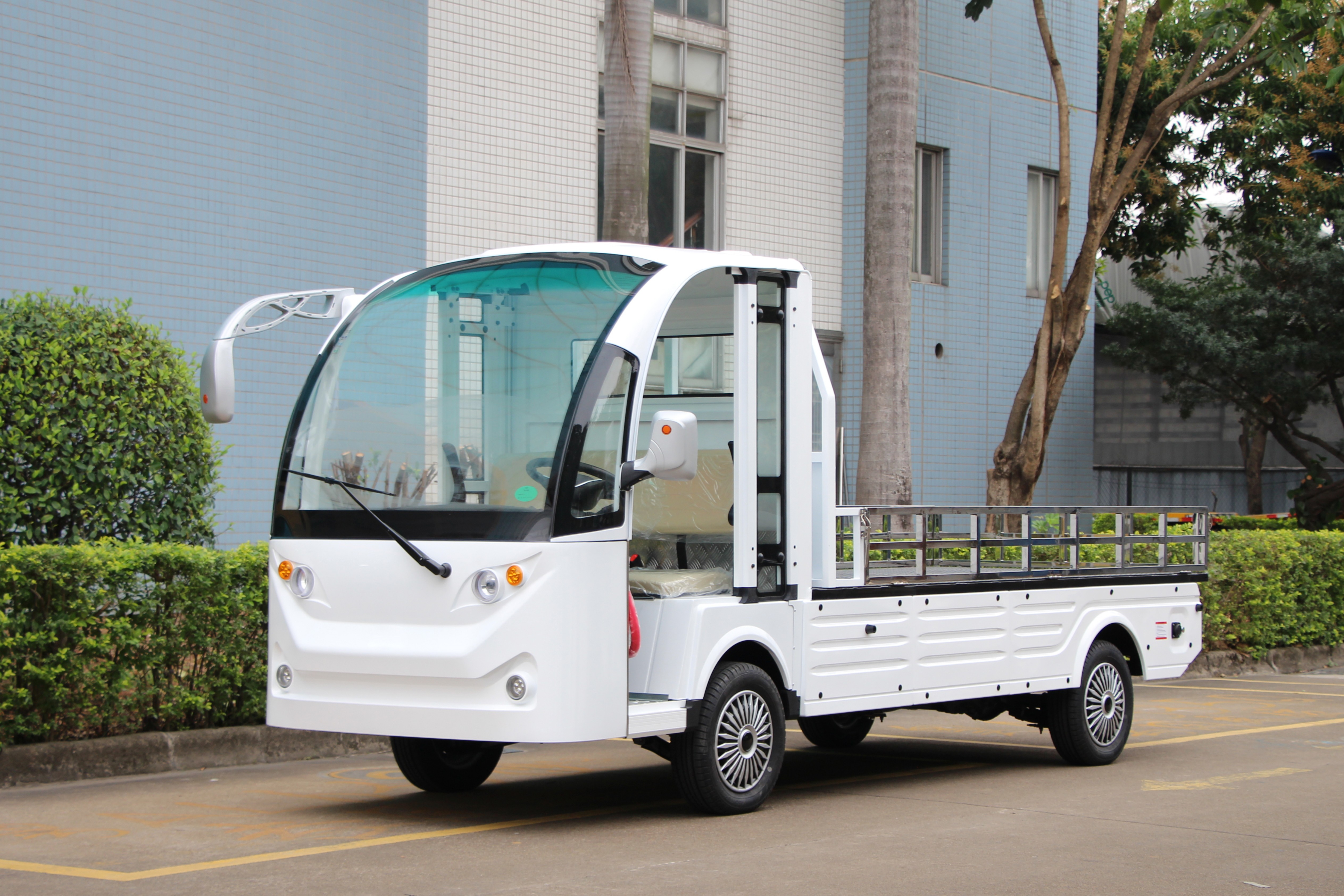
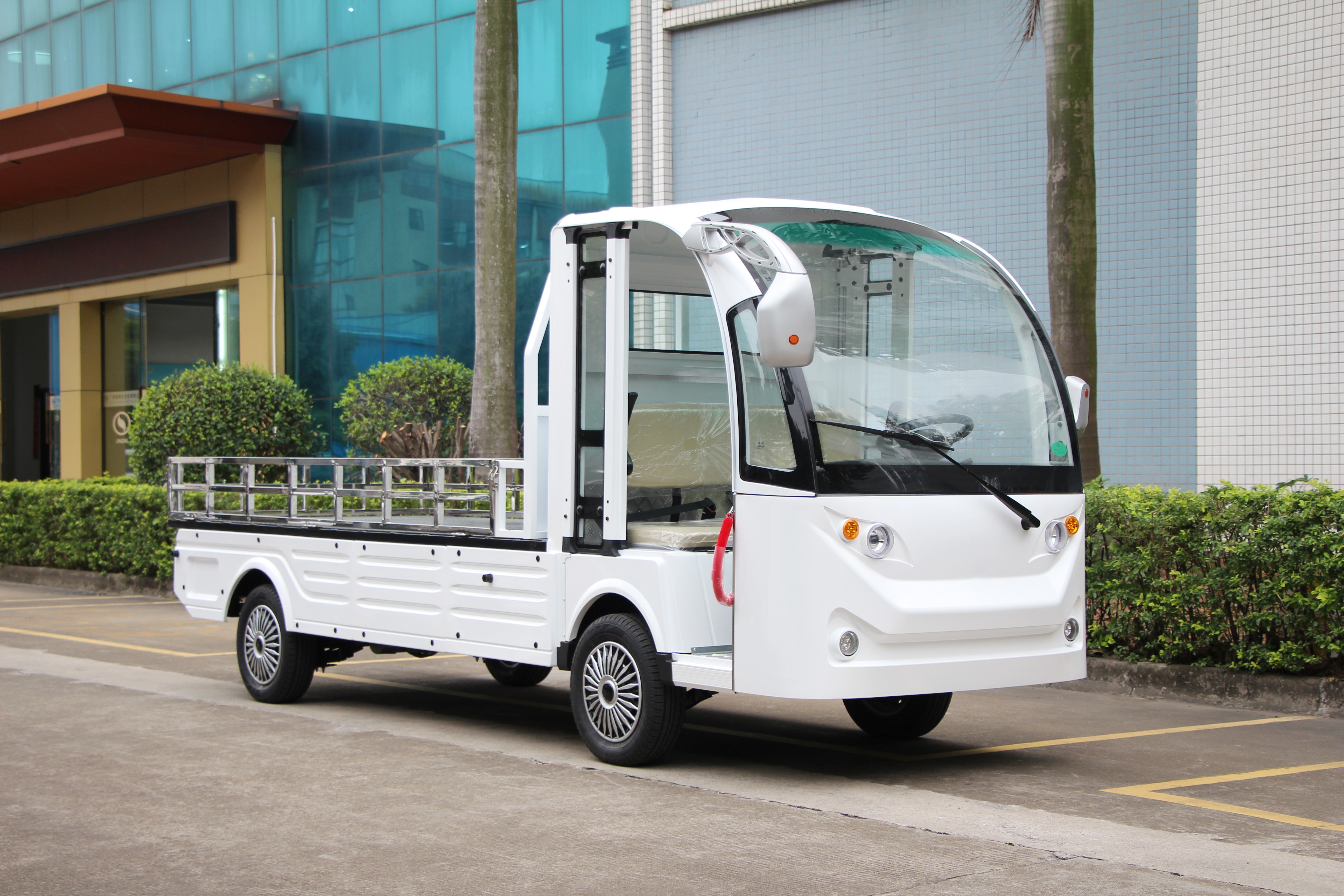
Technical compliance relies heavily on chassis design and suspension engineering. Vehicles like the LQF1032 1ton truck built by Guangzhou Langqing Electric Car CO., LTD. utilize high-strength steel chassis featuring electrophoresis and powder coating for long-term rustproofing. The integration of MacPherson front suspension alongside rear integral suspension ensures stable cargo transport on various road surfaces, mitigating safety risks under heavy loads.
Verified production practices demonstrate how regulatory standards apply in real-world deployments. International deployments include municipal projects such as 156 units of sanitation trucks delivered to Singapore and 131 cultural tourism vehicles deployed for museum shuttle operations in Egypt. These projects confirm that structured quality inspection lines and road testing satisfy both commercial requirements and local safety protocols.
Data/Solution Comparison
Evaluating commercial 1ton electric truck specifications against common import standards helps importers verify regulatory compliance before shipment:
| Compliance Feature | Standard Import Requirement | LQF1032 Vehicle Specification |
|---|---|---|
| Safety Certification | CE / ISO Quality Compliance | CE Certified (3N250506.GLEDQ43 / 3N250507.GLEDQ77 / 3N250507.GLEDQ78) |
| Chassis Integrity | Impact Resistance & Corrosion Protection | Electrophoresis + Powder-Coated High-Strength Steel Chassis |
| Suspension Architecture | Load Stability & Road Adhesion | Front MacPherson & Rear Integral Suspensions |
| Quality Inspection | Pre-Shipment Testing Verification | 100% Inspection Line Testing & Road Testing Pass Rate |
| Trade & Logistics Terms | Flexible Shipping & Clear Terms | MOQ 1 unit, 15-30 days delivery, Sea Freight, 30% deposit balance before loading |
Frequently Asked Questions (FAQ)
What safety certifications are necessary when importing electric mini trucks into European markets?
EU CE certification is required for importing electric mini trucks into European Union member states. This certificate verifies that the vehicle's electrical system, chassis, and overall operational design meet EU safety and environmental regulations.
How does chassis construction affect import eligibility and vehicle lifespan?
Chassis durability directly impacts safety compliance. A high-strength steel chassis treated with dual-layer protection—electrophoresis and powder coating—resists rust and fatigue, ensuring the truck safely maintains its rated load capacity during daily operation.
What quality assurance steps prevent compliance issues upon arrival at destination ports?
Complete pre-delivery quality control, including a dedicated 100% inspection line test and real-road testing, ensures all operational parameters, braking functions, and electrical systems operate correctly prior to container loading and sea freight transport.
Final Conclusion & Recommendations
Selecting compliant 1ton electric trucks backed by recognized safety certifications minimizes customs risks and guarantees reliable long-term performance in resort logistics, hotel servicing, and industrial facilities. Operating under an integrated industry-and-trade business model ensures direct manufacturer oversight, supported by a 1-year whole-vehicle warranty. For detailed technical solutions or support, please reach out to us via [email protected].
About Us
Guangzhou Langqing Electric Car CO., LTD. was established in 2000 in Nansha, Guangzhou, operates a 35,000-square-meter manufacturing facility, and maintains an annual capacity of 1,000 units per month. Supported by 160 employees and a dedicated 30-member R&D team, the enterprise specializes in all-electric vehicles including golf carts, sightseeing buses, and mini trucks. Hold certifications including ISO9001, ISO14001, ISO 10012, ISO45001, and EU CE, supplying products across North America, South America, Europe, the Middle East, and Southeast Asia, including major fleets such as over 3,500 shuttle units delivered to Cuba.
Lastest
-
How are replacement spare parts provided for a 17seats bus?
2026-08-14 -
What is the typical deposit percentage for a 23seats bus order?
2026-08-14 -
What recyclable components are used in modern golf carts?
2026-08-14 -
What is the warranty policy for air conditioning on 23seats bus?
2026-08-14 -
What battery specs should I check when buying electric golf carts?
2026-08-14
SUBSCRIBE
INQUIRY