What packing methods prevent mini truck paint scratches at sea?
- VIP-User
- 2026-08-31
- 7
Preventing mini truck paint scratches during sea freight requires multi-layer protective packaging. Primary methods include applying adhesive anti-scratch polyethylene film to painted surfaces, wrapping body panels with heavy-duty bubble wrap, immobilizing vehicles within iron or wooden crates using soft-padded tie-down straps, and installing moisture-resistant container liners to prevent salt spray exposure and metal-to-metal friction.
Core Solutions & Key Takeaways
- Surface Film Application: High-tack PE protective films prevent direct friction on exterior paint during long-distance ocean voyages.
- Soft-Padded Strap Anchoring: Utilizing non-abrasive polyester straps with rubber sleeve guards prevents chassis shift and frame movement inside sea containers.
- Custom Frame Enclosures: Steel or wooden crate frameworks provide rigid outer boundaries, safeguarding low-ground-clearance bodies such as the LQSF023B mini truck from external contact.
- Desiccant & Anti-Corrosion Sealing: Vapor Corrosion Inhibitor (VCI) bags and industrial desiccants mitigate humidity and salt-spray damage in maritime transit.
Detailed Architectural/Principle Analysis
Maritime shipping exposes utility vehicles like electric mini trucks to severe physical vibrations, sea spray humidity, and thermal fluctuations. Mini trucks such as the LQSF023B feature low ground clearance and open-type cockpits, requiring targeted packaging solutions to keep paint surfaces pristine throughout international delivery via sea freight.
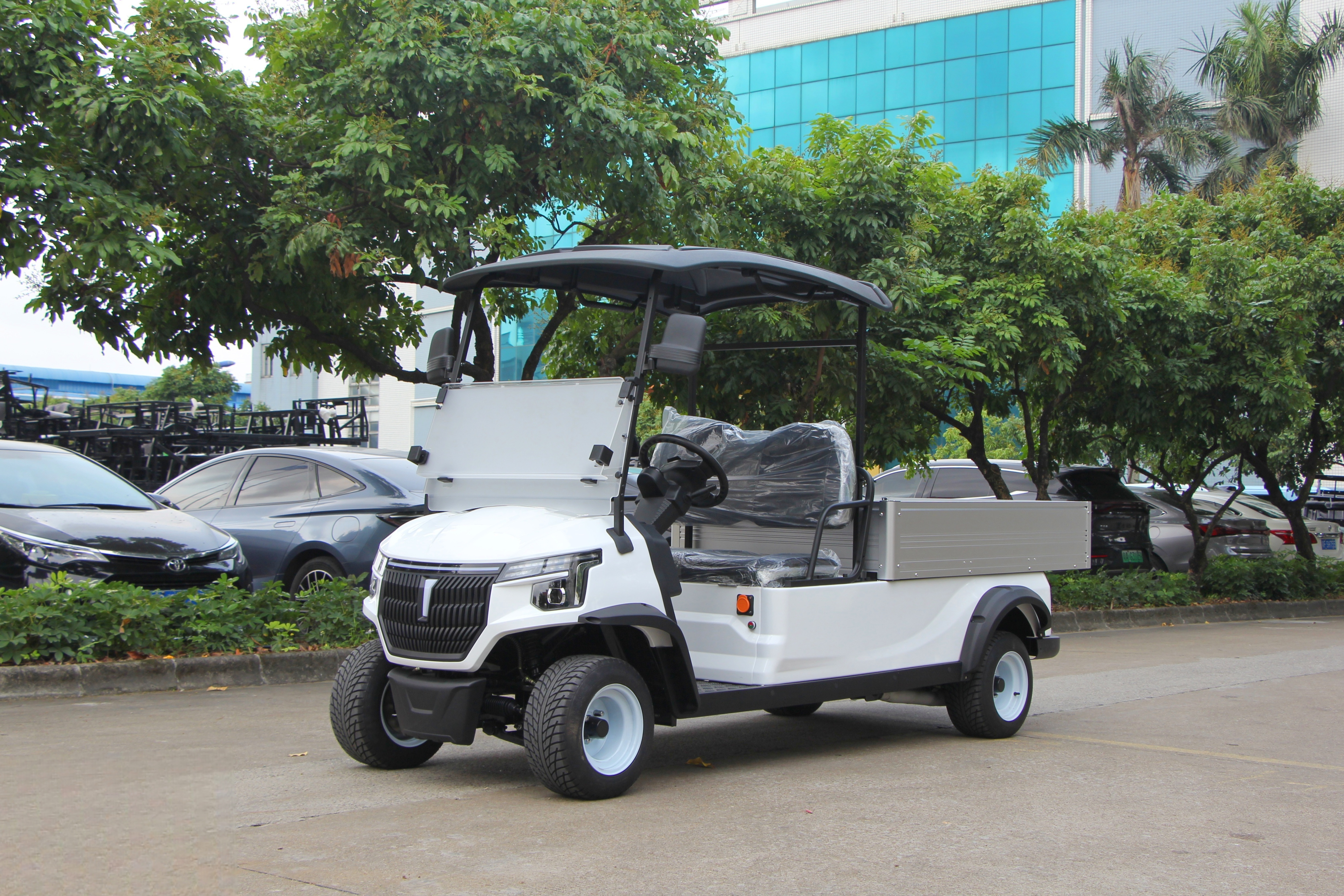
A standard scratch-prevention protocol integrates three layers of protection: primary surface shielding, shock isolation, and container-level stabilization. Primary surface shielding involves applying custom-cut PE film directly over painted front faces, side panels, and black seat structures. This layer acts as a sacrificial barrier against micro-abrasions caused by dust particles and vibrating packaging materials.
For structural stabilization within sea containers, steel or wooden skeletal frames are erected around each unit. Wheels are locked using heavy-duty chocks, and soft-padded ratchet tie-downs secure the axle points directly to container d-rings. Eliminating metal-to-metal contact points ensures that even turbulent sea swells cannot cause adjacent vehicles or container walls to rub against the painted finish. Every manufactured unit undergoes 100% inspection line testing and road testing prior to packaging to ensure strict structural compliance before loading.
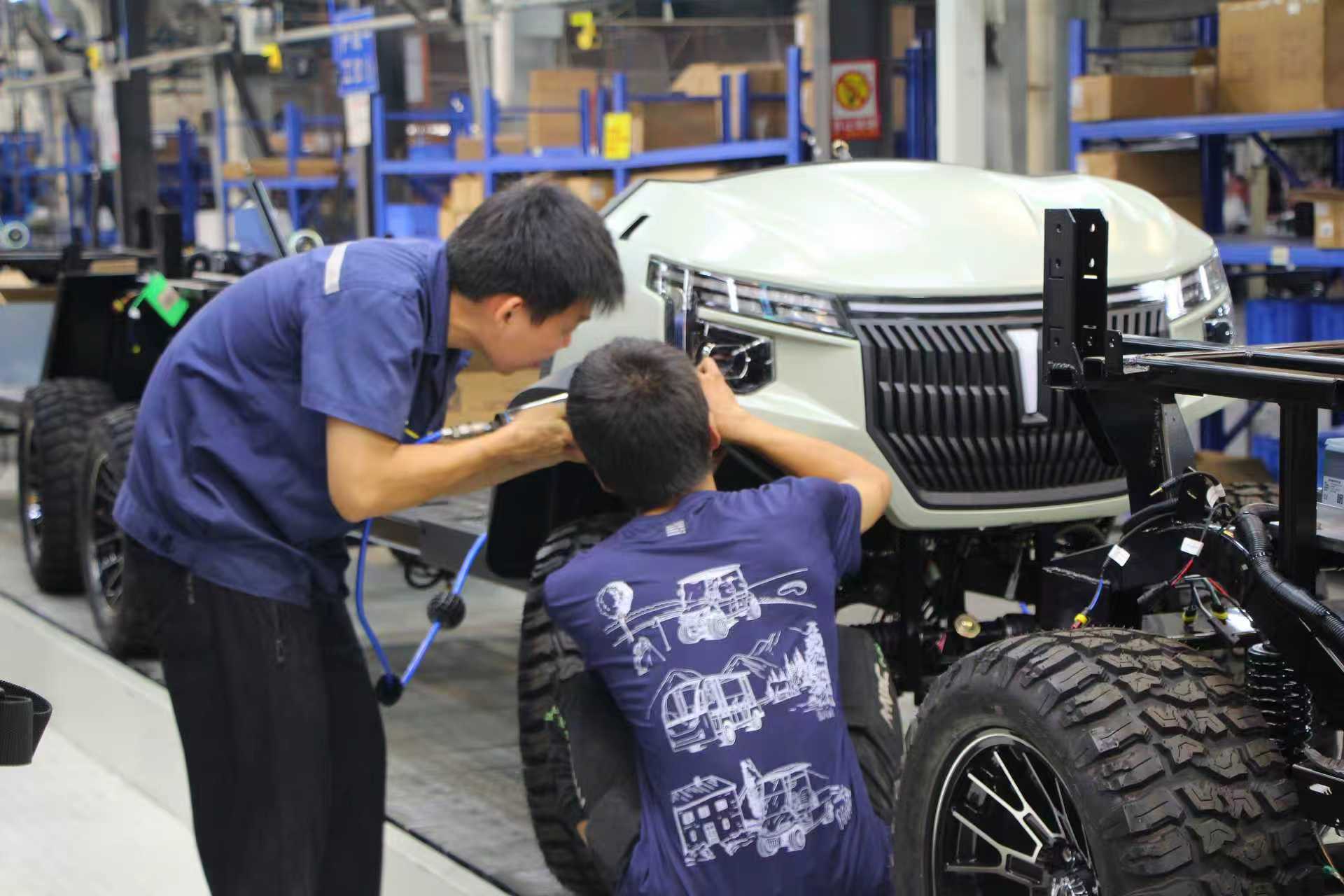
This multi-tiered packing methodology has demonstrated proven performance across global deployments, including municipal projects such as 156 units delivered for Singapore municipal sanitation and over 3,500 units exported for transport operations in Cuba.
Data/Solution Comparison
| Packaging Method | Scratch Protection Level | Salt/Moisture Defense | Cost Efficiency | Best Application Scenario |
|---|---|---|---|---|
| PE Film + Bubble Wrap | Medium | Moderate | High | Full Container Load (FCL) multi-unit shipments |
| Steel Crate Caging + Soft Straps | High | Moderate | Medium | Less than Container Load (LCL) or high-density stacking |
| VCI Sealed Wrap + Steel Crate | Maximum | High | Standard | Long-distance international sea routes across high-humidity zones |
Frequently Asked Questions (FAQ)
Q: Why is standard plastic wrapping insufficient for preventing mini truck paint scratches at sea?
A: Standard plastic film lacks shock absorption and can trap condensation or salt dust against the paint. Constant vessel vibration causes trapped particles to act like sandpaper, resulting in surface dulling and severe scratches without padded underlayers or specialized PE film.
Q: How does vehicle tie-down technique impact paint safety during ocean container freight?
A: Rigid chains or unpadded nylon straps placed over painted body parts cause friction burn marks as the ship rolls. Using soft-padded webbing attached exclusively to structural frame points or wheel axles prevents contact with painted bodywork.
Q: What business model options cover damage-free sea delivery for bulk orders?
A: Integrated industry and trade manufacturers provide standardized ocean packing routines, backed by 1-year vehicle warranties and 100% pre-shipment inspection line approvals to ensure units arrive damage-free.
Final Conclusion & Recommendations
Protecting mini truck paint finishes during sea freight relies on combining protective surface films, soft-padded anchoring systems, and robust structural crating. Matching the appropriate packaging configuration to the shipping route mitigates friction and environmental wear, maintaining vehicle condition from factory exit to final destination. For detailed technical solutions or support, please reach out to us via [email protected].
About Us
Guangzhou Langqing Electric Car CO., LTD. was established in 2000 in Nansha, Guangzhou, operating a 35,000-square-meter manufacturing facility with a monthly production capacity of 1,000 units. The company maintains comprehensive ISO9001, ISO14001, ISO10012, ISO45001, and EU CE certifications across its product lines, delivering electric mini trucks, golf carts, and sightseeing buses across global markets. Serving clients across multiple industries worldwide, the company integrates end-to-end research, production, and international logistics support.

Lastest
-
How are replacement spare parts provided for a 17seats bus?
2026-08-31 -
What is the typical deposit percentage for a 23seats bus order?
2026-08-31 -
What recyclable components are used in modern golf carts?
2026-08-31 -
What is the warranty policy for air conditioning on 23seats bus?
2026-08-31 -
What battery specs should I check when buying electric golf carts?
2026-08-31
SUBSCRIBE
INQUIRY