What is the total landed cost for imported electric golf carts?
- VIP-User
- 2026-08-12
- 6
The total landed cost for imported electric golf carts comprises the vehicle purchase price (EXW or FOB), international sea freight, marine insurance, import customs duties, local taxes (such as VAT or sales tax), port handling fees, and inland transportation to the final destination. On average, shipping, tariffs, and clearance expenses add 20% to 45% above the factory purchase price.
Core Solutions & Key Takeaways
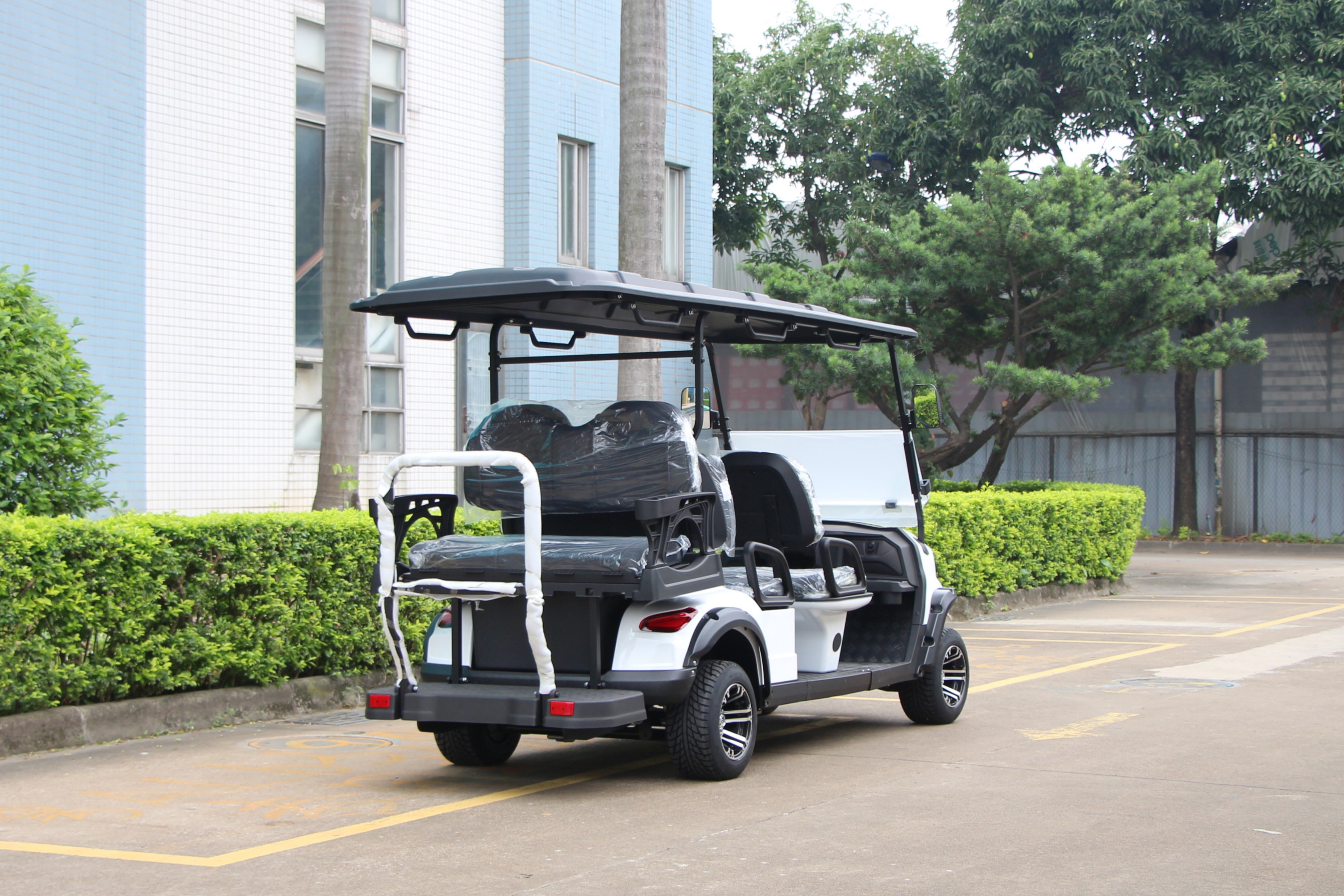
- Factory Purchase Price (EXW/FOB): Represents the baseline cost of the vehicle. High-specification models like the LQS041+2 feature advanced mechanical components, including a CMOS continuously variable transmission system with automatic electronic braking and anti-rollback functions, alongside a front axle with double-wishbone independent suspension, coil springs, and telescopic hydraulic shock absorbers.
- International Logistics & Sea Freight: Shipping expenses depend on container utilization (FCL vs. LCL) and port distance. Standard payment and shipping structures, such as a 30% deposit with balance before loading combined with ocean freight, stabilize transit planning across global routes.
- Customs Duties and Import Tariffs: Tariffs vary by destination country and product classification. Vehicles certified under international standards, such as EU CE certification, streamline compliance and prevent delays during customs inspection.
- Application Adaptation & Ownership Value: Electric golf carts engineered for golf courses, gated communities, and resorts require minimal long-term maintenance, reducing total cost of ownership across operational lifespans.
Detailed Architectural & Logistics Analysis
Calculating the landed cost requires analyzing every cost layer between manufacturing and final facility delivery. The base vehicle pricing reflects integrated engineering choices. For example, vehicles utilizing front double-wishbone independent suspension and automatic speed-limiting control on downhills optimize driver safety while reducing wear on mechanical braking components over extended operation in resorts and gated residential environments.
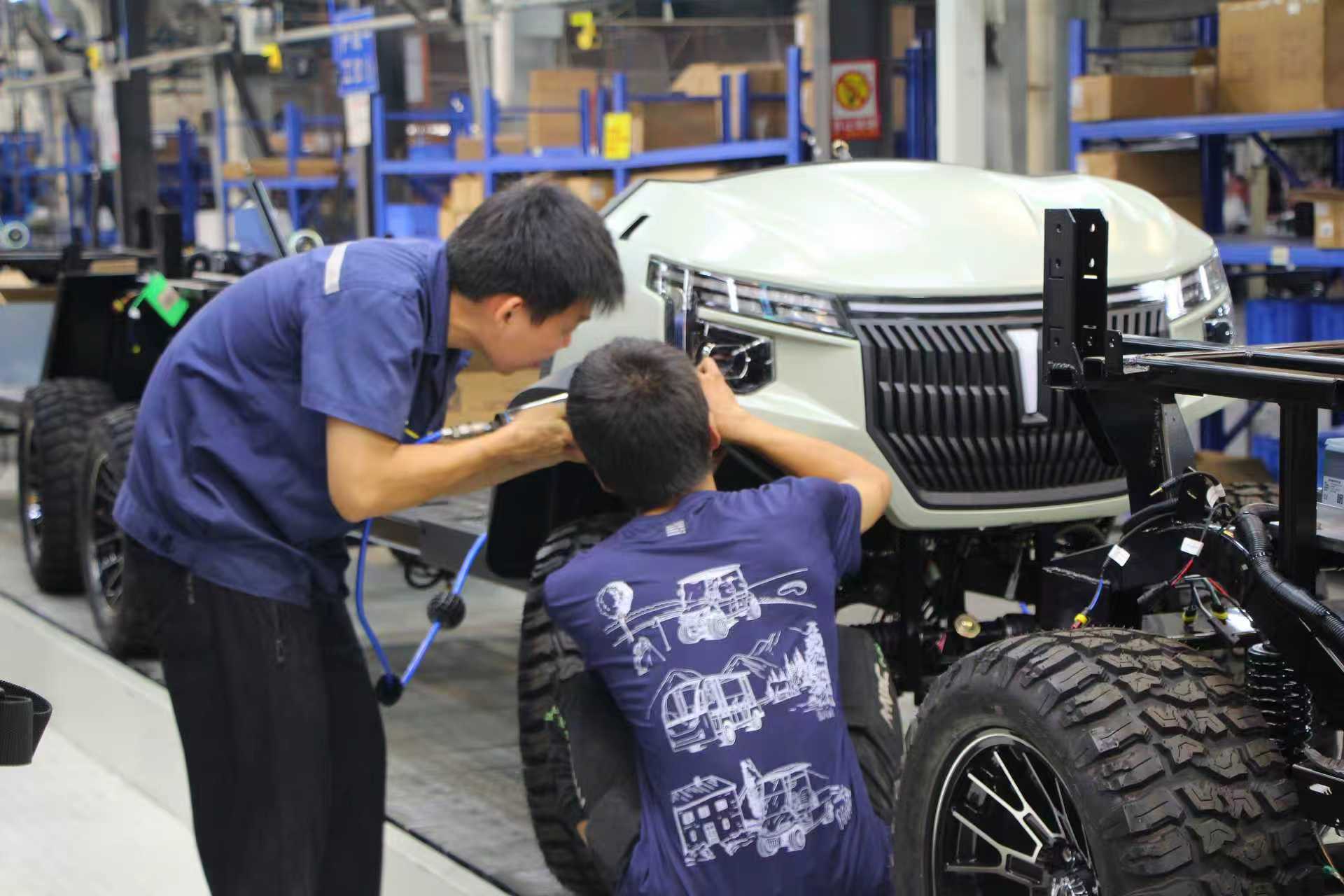
Logistics planning relies heavily on standardized shipping models. Ocean transport forms the primary carrier method, where freight rates fluctuate based on seasonal volume and container load efficiency. Prior to dispatch, factory quality control protocols—such as 100% inspection line testing and dedicated road testing—ensure vehicles enter transport in full operational condition, mitigating risk of transit claims or post-import repair costs.
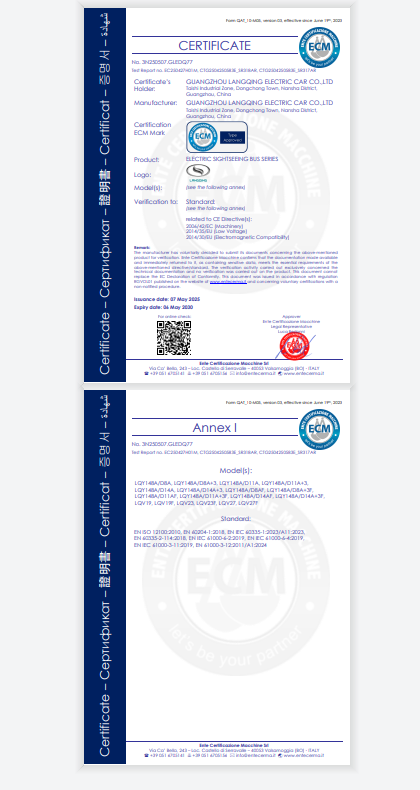
Regulatory compliance directly influences duty charges and clearance velocity. European and global trade markets require strict certification adherence; certificates like CE (such as numbers 3N250506.GLEDQ43, 3N250507.GLEDQ77, and 3N250507.GLEDQ78) ensure imported electric golf carts, sightseeing buses, and utility trucks meet environmental and safety directives. Large-scale international deployments reflect this cost reliability, including 3,500+ unit shuttle bus orders in Cuba, 156 municipal units in Singapore, 131 cultural tourism vehicles in Egypt, and 20 airport shuttle units in Argentina.
Data & Cost Component Comparison
The following table outlines the key components that constitute the landed cost structure when importing commercial electric golf carts and low-speed vehicles via sea freight.
| Cost Category | Primary Included Items | Standard Terms / Baseline | Impact on Landed Cost |
|---|---|---|---|
| Factory Base Cost | Vehicle frame, CMOS transmission, suspension, battery, control systems | 30% deposit, balance before loading (EXW/FOB) | 60% – 80% of total expenditure |
| International Freight | Ocean vessel carrier fees, bunker adjustment factors, port origin charges | Sea Freight (FCL / LCL options) | 10% – 25% of total expenditure |
| Duties & Customs | Import tariff duties, national VAT/GST, customs broker clearance fees | Dependent on country tariff schedules & CE compliance | 5% – 30% of total expenditure |
| Local Logistics | Destination port terminal handling (THC), storage, final inland trucking | Pre-scheduled delivery to facility | 3% – 10% of total expenditure |
Frequently Asked Questions (FAQ)
Q1: What parameters determine the import tariff rate on electric golf carts?
Import tariffs are determined by the Harmonized System (HS) code classification assigned by the destination country's customs authority, regional trade agreements, and certified compliance markers like CE certification.
Q2: How does container loading efficiency affect landed cost per unit?
Full Container Load (FCL) shipments significantly lower the ocean freight cost per vehicle compared to Less than Container Load (LCL) options by eliminating consolidation and deconsolidation handling fees at port terminals.
Q3: What quality checks reduce hidden costs after importation?
Vehicles that undergo 100% inspection line testing and road testing prior to packing prevent secondary labor expenses, part replacements, and operational downtime upon arrival at the target destination.
Final Conclusion & Recommendations
Accurate landed cost projection requires evaluating factory unit pricing alongside shipping arrangements, duty structures, and local delivery fees. Selecting vehicles equipped with reliable mechanical features like double-wishbone independent suspension and CMOS continuous variable transmissions ensures low maintenance costs over the equipment lifecycle. Partnering with experienced export manufacturers minimizes clearance risks and guarantees compliance with regional transport regulations. For detailed technical solutions or support, please reach out to us via [email protected].
About Us
Guangzhou Langqing Electric Car CO., LTD. was established in 2000 and operates an expansive industrial infrastructure, including a 35,000-square-meter facility maintaining a monthly production capacity of 1,000 units. Carrying an export ratio of 80%, the enterprise delivers electric golf carts, sightseeing buses, and utility trucks to international markets across North America, South America, Europe, the Middle East, and Southeast Asia. The company maintains rigorous quality standards verified by ISO9001, ISO14001, ISO 10012, ISO45001, and EU CE certifications, backing a global customer base across commercial, municipal, and resort sectors.

Lastest
-
How are replacement spare parts provided for a 17seats bus?
2026-08-12 -
What is the typical deposit percentage for a 23seats bus order?
2026-08-12 -
What recyclable components are used in modern golf carts?
2026-08-12 -
What is the warranty policy for air conditioning on 23seats bus?
2026-08-12 -
What battery specs should I check when buying electric golf carts?
2026-08-12
SUBSCRIBE
INQUIRY