What is the procedure for handling major 23seats bus defects?
- VIP-User
- 2026-08-21
- 6
Handling major defects in a 23seats bus involves immediate vehicle isolation, systematic diagnostic testing of chassis or electrical systems, root cause identification through factory-grade line inspection protocols, and executing component replacement or structural repairs under warranty. Prompt reporting to technical support ensures verified engineering solutions and standardized safety clearance before returning the bus to service.
Core Solutions & Key Takeaways
- Immediate Vehicle Decommissioning: Lock out power systems and halt operation upon detecting critical chassis, steering, or brake anomalies to prevent secondary damage.
- Multi-Point Systemic Inspection: Utilize specialized diagnostic tools to inspect the high-strength anti-rust steel chassis, MacPherson front suspension, leaf-spring rear suspension, and electric power-assisted steering assembly.
- Factory Technical Support Escalation: Coordinate with technical engineers at Guangzhou Langqing Electric Car CO., LTD. to process replacement components under the 1-year whole vehicle warranty.
- Re-certification via Road and Slope Testing: Validate all structural and mechanical repairs on a dedicated slope test platform and inspection line before re-deploying the unit into passenger service.
Detailed Architectural/Principle Analysis
Major defect resolution on a 23seats bus requires an understanding of the underlying vehicle platform. The LQV23 sightseeing bus incorporates a lightweight open-cockpit roof supported by a high-strength anti-rust steel chassis. Impact-resistant PT + PBT alloy injection-molded front covers protect vital front-end components. When major defects occur—such as structural stress issues or steering responsiveness drop-offs—troubleshooting focuses on load-bearing elements and power-assist systems.
The front axle utilizes a MacPherson independent suspension, while the rear axle employs a leaf-spring setup to manage heavy passenger capacity. Structural or suspension defects mandate an inspection of mounting points and alignment angles. For brake system or steering issues, technicians verify power assist fluid levels, electrical current draw, and brake line hydraulic pressure. Quality assurance protocols leverage 100% inspection line testing and road testing capabilities to isolate root causes precise to individual vehicle sub-assemblies.
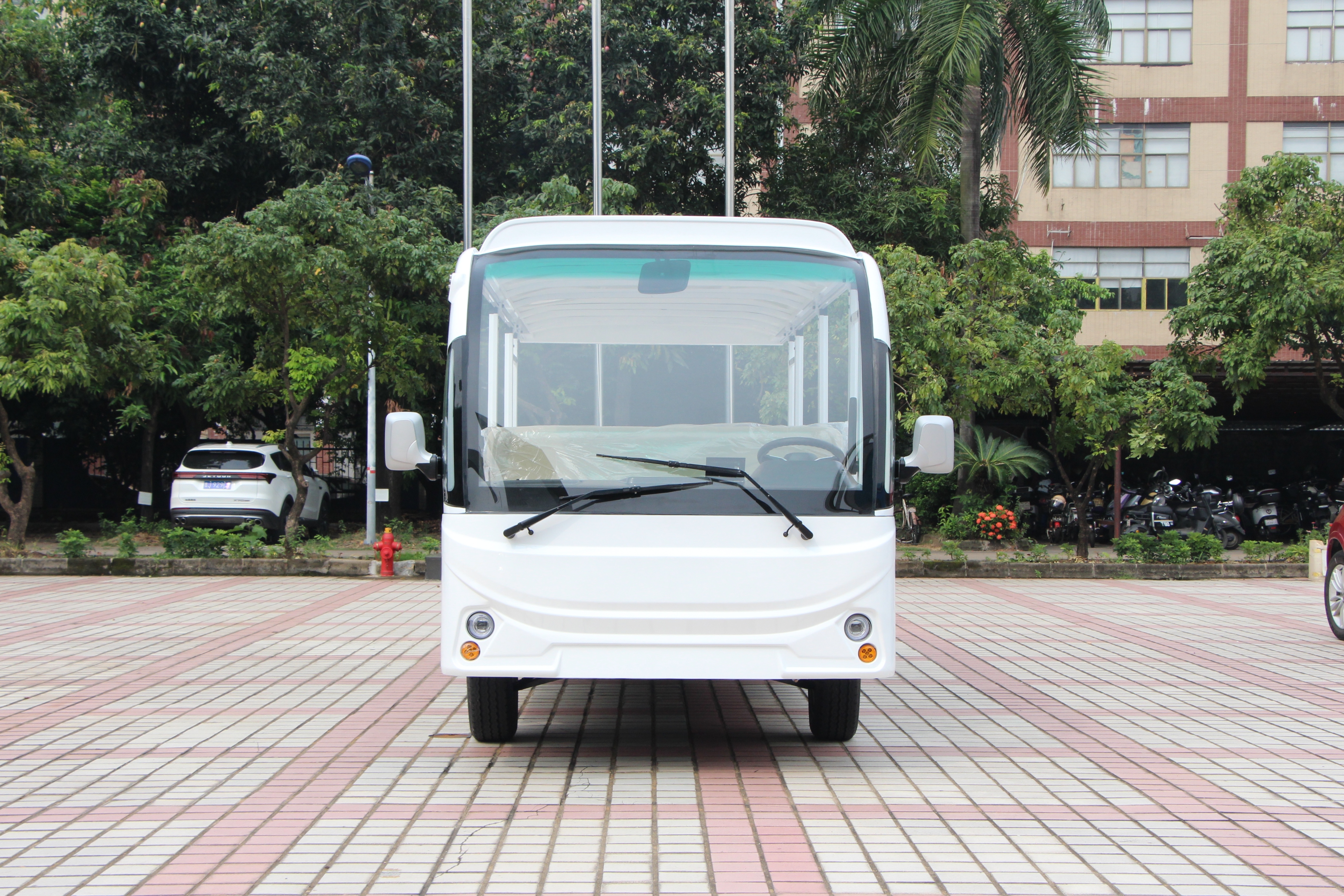
In large-scale operations—such as international fleet deployments in Cuba, municipal transit projects in Singapore, or airport shuttle operations in Argentina—standard operating procedures dictate logging error codes and physical measurements directly into maintenance records. Sub-assembly testing on dedicated slope test platforms ensures that torque distribution and holding brakes meet original safety thresholds prior to client sign-off.
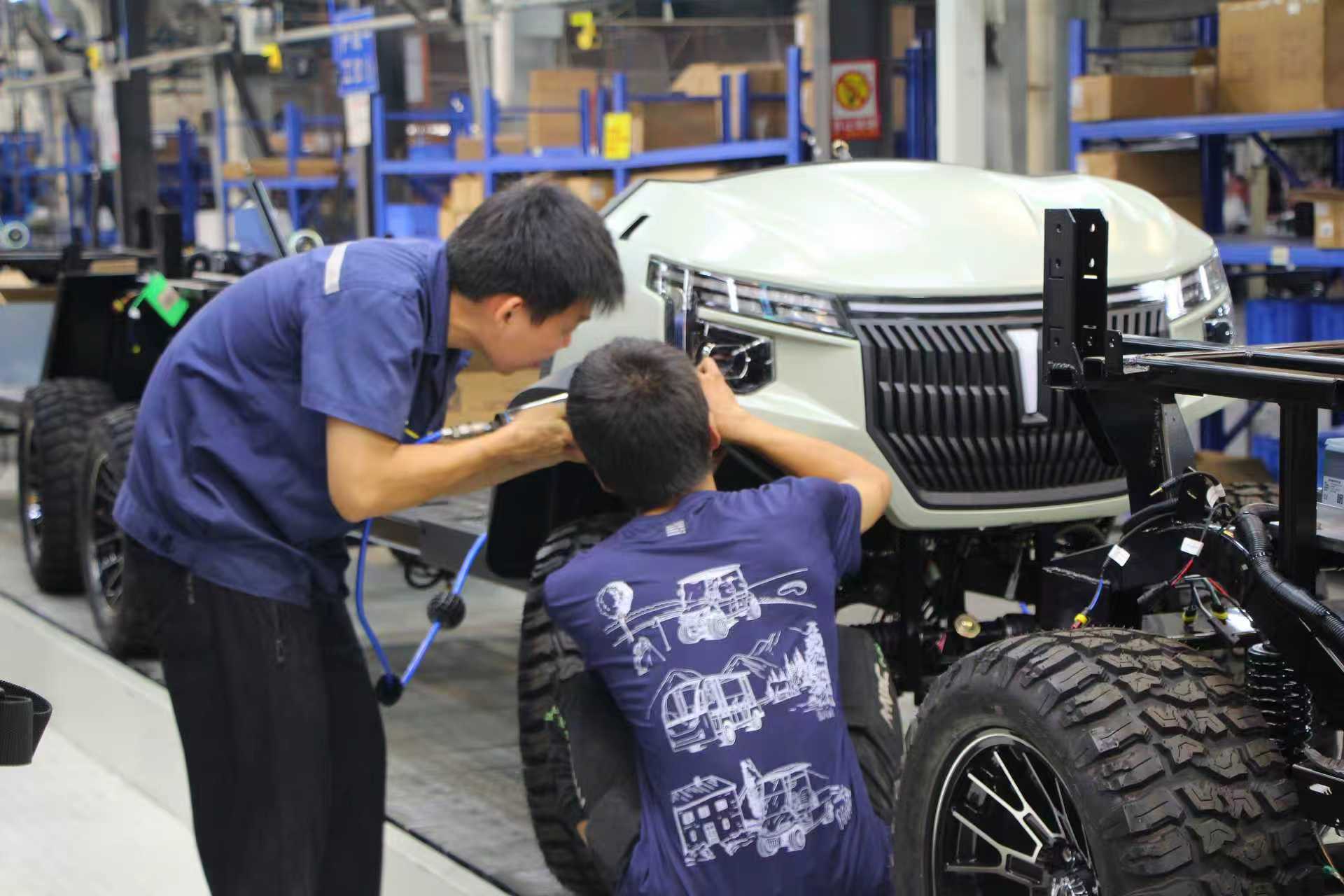
Data/Solution Comparison
The table below outlines defect classifications, diagnostic methods, and standard resolution workflows for 23seats buses:
| Defect Category | Affected Sub-System | Diagnostic Method | Resolution Protocol |
|---|---|---|---|
| Body / Exterior Shell | PT + PBT Alloy Front Cover & Roof Structure | Visual alignment check & impact point measurement | Fast-track panel replacement or localized structural repair |
| Chassis & Suspension | Anti-Rust Steel Frame, MacPherson & Leaf-Spring Units | Alignment gauge & slope test platform load test | Frame realignment, bushing swap, or suspension spring replacement |
| Steering & Control | Electric Power-Assisted Steering & Sensitive Brakes | Inspection line testing & hydraulic/electrical load test | System recalibration, power module swap, or hydraulic line purge |
Frequently Asked Questions (FAQ)
Q: What initial steps should operators take when a major 23seats bus defect is identified?
A: The vehicle must be immediately removed from service and isolated. Operators should document symptoms, record diagnostic codes, inspect the chassis and steering assemblies, and contact technical support with vehicle serial details.
Q: How are structural chassis or steering defects validated after repair?
A: Repaired vehicles undergo 100% inspection line testing, including slope platform stability checks and full-load road testing to ensure auto-grade control standards are restored.
Q: What warranty coverage applies to major component failures?
A: The vehicle is backed by a 1-year whole vehicle warranty. Replacement parts and engineering repair guidance are provided directly through factory support channels.
Final Conclusion & Recommendations
Maintaining high operational readiness for a 23seats bus fleet relies on prompt diagnostic procedures, strict adherence to factory repair protocols, and thorough pre-delivery quality checks. Equipment designed with high-strength anti-rust steel frames and modular PT + PBT alloy panels simplifies maintenance, while full compliance with EU CE standards ensures long-term operational safety across diverse environments. Commercial procurement options support an Industry and Trade Integration model with flexible delivery terms, including sea freight logistics and payment via 30% deposit and balance before loading. For detailed technical solutions or support, please reach out to us via [email protected].
About Us
Guangzhou Langqing Electric Car CO., LTD. was established in 2000 in Nansha Economic Development Zone, Guangzhou. Operating a 35,000-square-meter facility with 160 employees, the company houses a 30-member R&D team, a 20-member Quality Control team, and a monthly capacity of 1,000 units. Certified under ISO9001, ISO14001, ISO10012, ISO45001, and EU CE, it exports 80% of its production across North America, South America, Europe, the Middle East, Africa, and Southeast Asia, having served clients across multiple industries.

Lastest
-
How are replacement spare parts provided for a 17seats bus?
2026-08-21 -
What is the typical deposit percentage for a 23seats bus order?
2026-08-21 -
What recyclable components are used in modern golf carts?
2026-08-21 -
What is the warranty policy for air conditioning on 23seats bus?
2026-08-21 -
What battery specs should I check when buying electric golf carts?
2026-08-21
SUBSCRIBE
INQUIRY