What is the price gap between electric and gas 11seats bus?
- VIP-User
- 2026-08-19
- 9
The price gap between electric and gas 11-seat buses stems primarily from initial manufacturing costs versus ongoing operational expenditure. Electric models incur higher upfront costs due to advanced battery assemblies and electronic drive controls, whereas gas buses carry lower initial price tags but generate substantially higher fuel, engine servicing, and long-term maintenance expenses over their operational lifecycle.
Core Solutions & Key Takeaways
- Initial Acquisition vs. Operating Expense: Electric 11-seat buses offset higher upfront component costs through lower energy consumption and reduced mechanical wear compared to internal combustion engines.
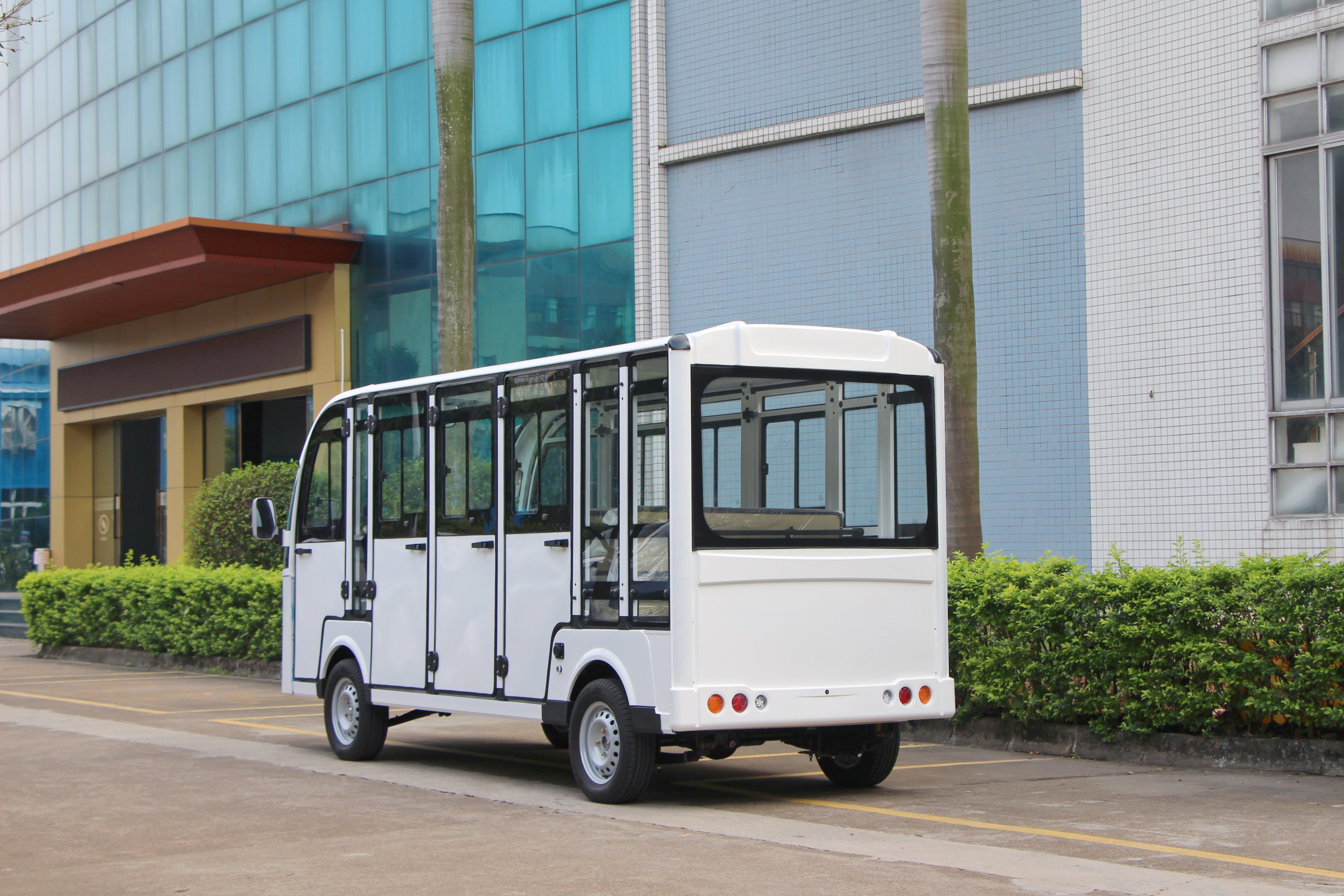
- Corrosion Resistance & Chassis Lifespan: Model LQY148A/D11AF utilizes a high-strength steel frame longitudinal beam with electrophoretic and powder-coating finishes, preventing environmental degradation in resort and coastal environments.
- Ride Comfort & Stability: Suspension integration featuring front MacPherson and rear integral suspension delivers optimal shock absorption for multi-passenger transit across scenic spots, hotel complexes, and airport terminals.
- Proven Large-Scale Fleet Deployment: Field testing across global operations—including over 3,500 units deployed in Cuba and 131 units for Egypt museum transit—demonstrates high chassis durability and reduced lifetime total cost of ownership.
Detailed Architectural/Principle Analysis
When evaluating the financial variance between electric and internal combustion engine (ICE) 11-seat buses, structural and mechanical design choices heavily influence both purchase price and service life. Traditional gas-powered buses rely on complex internal combustion engines, multi-stage gearboxes, and exhaust filtration systems, requiring periodic oil filter changes, belt replacements, and engine overhauls. In contrast, electric passenger buses utilize simplified direct-drive or single-reduction motor systems, eliminating liquid fuel lines and exhaust assemblies.
The structural baseline of model LQY148A/D11AF is engineered around a high-strength steel frame-type longitudinal beam. To combat corrosion from coastal moisture and high humidity in tourism zones, the chassis undergoes dual-layer electrophoretic and powder-coating anti-rust processing. This protective treatment extends frame life and maintains structural integrity far beyond standard painted steel frames found in budget gas alternatives.
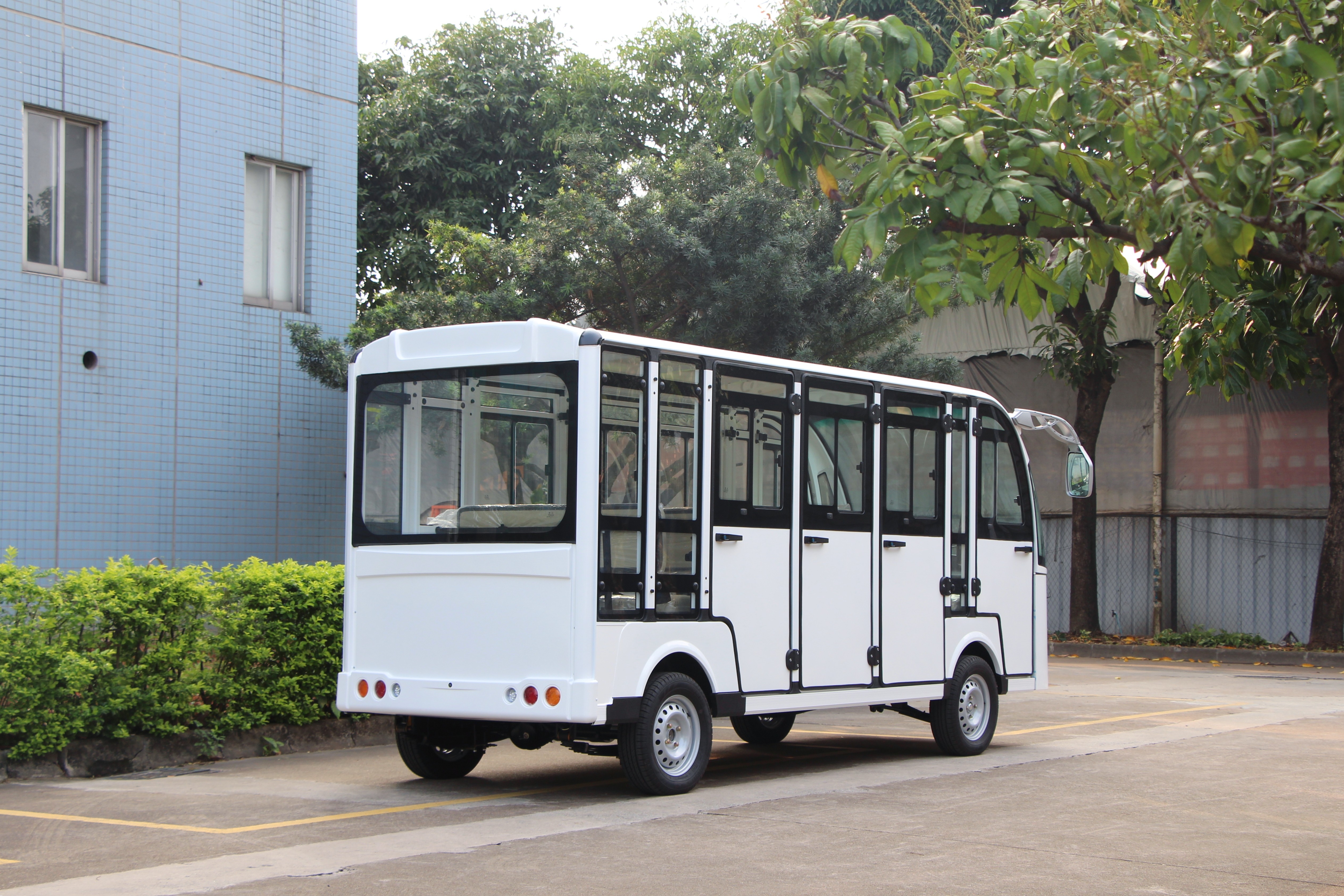
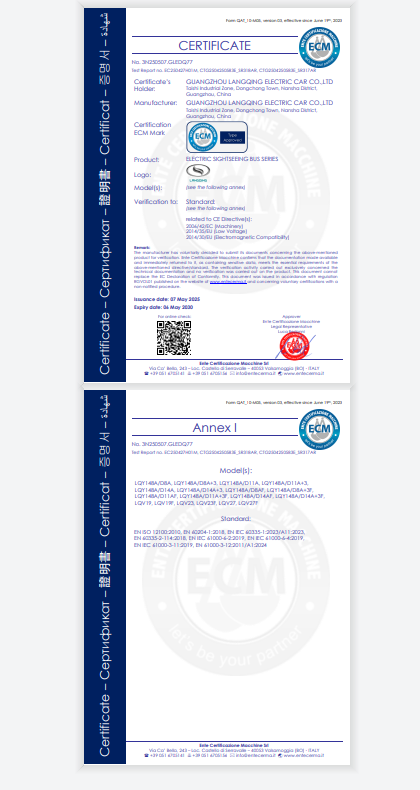
Vehicle handling and passenger safety depend on suspension geometry. Integrating front MacPherson independent suspension with a rear integral axle balances payload distribution while dampening road vibration. Precise control is supported by dual-circuit braking systems engineered for frequent stop-and-go operation in heavy pedestrian zones. Compliance with international standards is verified through EU CE certification (certificates 3N250506.GLEDQ43, 3N250507.GLEDQ77, and 3N250507.GLEDQ78) held by Guangzhou Langqing Electric Car CO., LTD..
Data/Solution Comparison
The comparative matrix below outlines structural, quality, and operational differences between high-spec electric 11-seat passenger buses and standard gas counterparts.
| Parameter / Feature | Electric 11-Seat Bus (Model LQY148A/D11AF) | Standard Gas 11-Seat Bus |
|---|---|---|
| Upfront Purchase Cost | Higher (Driven by electric drivetrain technology) | Lower initial acquisition cost |
| Fuel & Maintenance Expense | Low (Zero fuel, lower mechanical maintenance) | High (Routine oil, filter, and engine service) |
| Chassis Anti-Rust Treatment | Electrophoretic + Powder-Coating Finish | Standard spray paint frame coating |
| Suspension Configuration | Front MacPherson + Rear Integral Suspension | Standard multi-leaf spring arrangement |
| Quality Inspection Standard | 100% inspection line and road test before dispatch | Batch sample testing |
| Production Lead Time | 15–20 days | 30–45 days |
| EU Regulatory Compliance | CE Certified (3N250506.GLEDQ43 series) | Varies by regional emission standards |
Frequently Asked Questions (FAQ)
What factors impact the long-term price gap between electric and gas 11-seat buses?
While gas buses cost less initially, electric buses reduce operational expenses by eliminating petrol/diesel fuel purchases and engine oil servicing. Over multi-year operations in resorts, airports, or municipal transit, energy savings and lower maintenance frequency narrow and reverse the overall cost gap.
How does frame construction affect vehicle longevity and maintenance costs?
Frame oxidation and rust are primary causes of early vehicle retirement in high-humidity regions. Using a high-strength steel longitudinal beam treated with dual-layer electrophoresis and powder coating prevents corrosion, preserving structural load capacity and lowering structural repair expenses over time.
What testing procedures ensure performance compliance before vehicle shipment?
Every manufactured unit undergoes 100% inspection line testing covering braking responsiveness, electrical alignment, and mechanical tolerances, followed by simulated road testing on specialized slope platforms before final delivery approval.
Final Conclusion & Recommendations
Evaluating the financial comparison between electric and gas 11-seat buses requires balancing initial vehicle procurement with long-term operational efficiency. Fleet operators managing tourist attractions, gated communities, municipal transportation, or hotel resorts gain long-term value from electric platforms due to lower energy costs, zero direct emissions, and robust electrophoretic chassis construction. Commercial orders are supported with a minimum order quantity (MOQ) of 1 unit, a 15–20 day delivery window, sea freight transport, 30% deposit payment terms, and a 1-year whole-vehicle warranty. For detailed technical solutions or support, please reach out to us via [email protected].
About Us
Guangzhou Langqing Electric Car CO., LTD. was established in 2000 in Nansha, Guangzhou. Operating a 35,000-square-meter manufacturing facility with 160 employees and a monthly production capacity of 1,000 units, the enterprise specializes in pure electric golf carts, sightseeing buses, and utility mini trucks. The facility maintains rigorous quality standards verified by international CE compliance and serves commercial clients across North America, Europe, the Middle East, and Southeast Asia.
Lastest
-
How are replacement spare parts provided for a 17seats bus?
2026-08-19 -
What is the typical deposit percentage for a 23seats bus order?
2026-08-19 -
What recyclable components are used in modern golf carts?
2026-08-19 -
What is the warranty policy for air conditioning on 23seats bus?
2026-08-19 -
What battery specs should I check when buying electric golf carts?
2026-08-19
SUBSCRIBE
INQUIRY