What is the price difference between manual and auto 17seats bus?
- VIP-User
- 2026-08-14
- 6
The price difference between a manual and automatic 17-seat bus typically ranges from 10% to 20% in initial manufacturing and procurement costs. Automatic and electric-drive models incorporate advanced electronic control units, electric power-assisted steering, and integrated drive systems. While manual variants lower initial hardware investments, automatic systems reduce long-term driver fatigue, transmission wear, and overall maintenance expenditures across high-frequency fleet operations.
Core Solutions & Key Takeaways
- Upfront Capital vs. Long-Term TCO: Manual 17-seat buses feature lower initial price points, whereas automatic and electric variants reduce mechanical wear, yielding lower total cost of ownership over extended operating cycles.
- Operational Ergonomics: Automatic systems and electric power-assisted steering simplify vehicle handling, lowering driver fatigue during repetitive shuttle schedules in scenic areas and resort properties.
- Structural Durability: Modern automatic 17-seat passenger buses leverage high-strength anti-rust steel chassis and advanced alloy body panels to maintain structural integrity under heavy duty usage.
- Versatile Fleet Deployment: Automatic 17-seat sightseeing buses suit high-traffic commercial environments including tourist attractions, hotel resorts, municipal sanitation support, and airport transit loops.

Detailed Architectural/Principle Analysis
The cost variance between manual and automatic 17-seat buses stems primarily from powertrain complexity and control integration. Traditional manual buses utilize mechanical clutches, multi-speed gearboxes, and linkage assemblies that require periodic manual adjustment and replacement of wear components. In contrast, automatic and electric-drive models, such as the LQY148A 17-seat sightseeing bus produced by Guangzhou Langqing Electric Car CO., LTD., streamline transmission mechanics by utilizing electronic drive controllers paired with electric power-assisted steering systems.
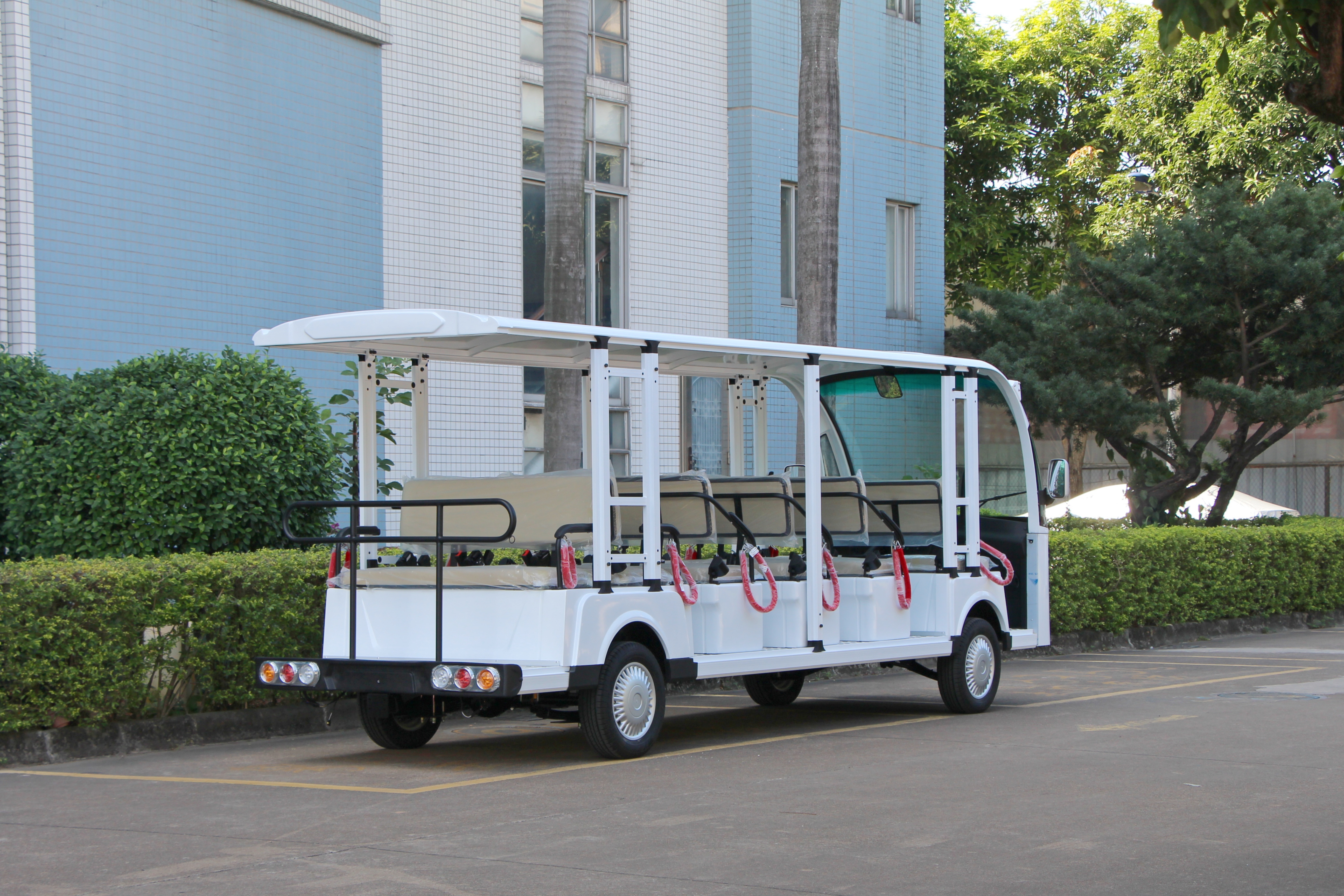
From an architectural standpoint, the vehicle integrates a MacPherson independent front suspension with a rear leaf-spring suspension setup. This structural pairing balances passenger ride comfort with heavy load capacity across varied road conditions. The open cockpit layout is constructed with a lightweight roof and impact-resistant PT+PBT alloy injection-molded front cover, optimizing power efficiency while lowering maintenance risks associated with body collisions.
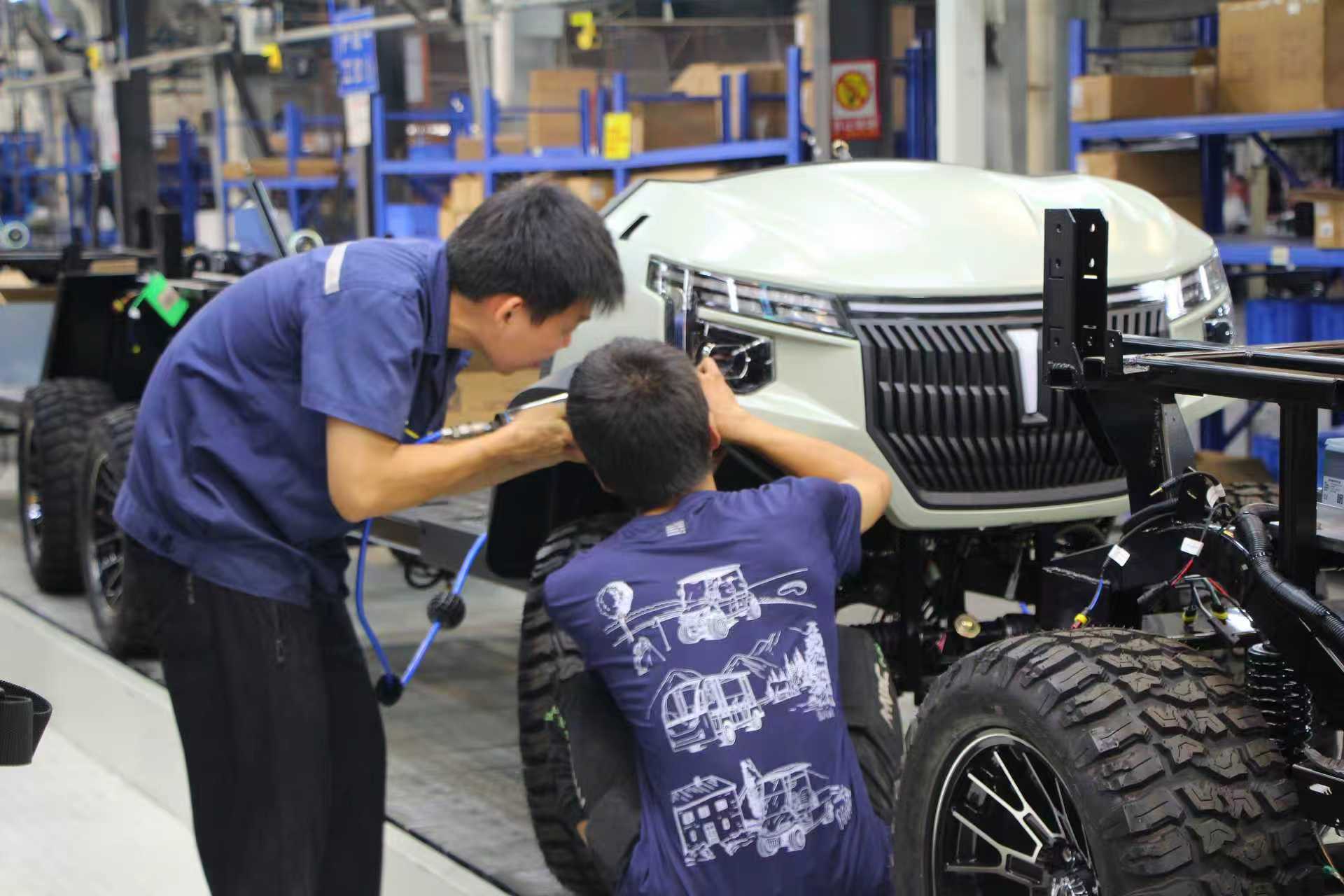
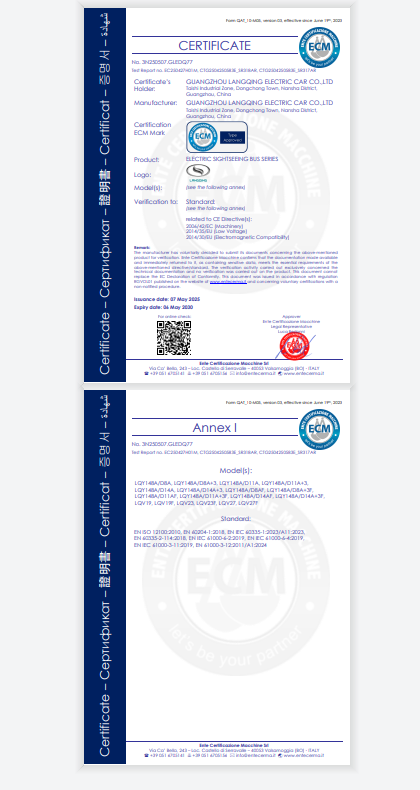
Compliance with international standards remains standard across automatic models. Vehicles verified under EU CE certifications (including cert numbers 3N250506.GLEDQ43, 3N250507.GLEDQ77, and 3N250507.GLEDQ78) undergo full operational and road testing prior to dispatch. Practical deployment data demonstrates reliability in large-scale operations, such as 3,500 units operating in Cuban transit projects, 131 units deployed for Egyptian cultural tourism shuttles, and 156 units integrated into municipal sanitation programs in Singapore.
Data/Solution Comparison
| Evaluation Metric | Manual Transmission 17-Seat Bus | Automatic / Electric-Drive 17-Seat Bus (LQY148A) |
|---|---|---|
| Initial Capital Outlay | Baseline / Lower initial purchase price | 10% to 20% higher initial hardware cost |
| Steering & Driver Fatigue | Standard mechanical steering; higher physical effort | Electric power-assisted steering; lower driver fatigue |
| Powertrain Component Wear | Clutch plates and mechanical gears subject to friction wear | Direct electronic speed control; zero clutch maintenance |
| Front Suspension Architecture | Standard rigid axle or conventional leaf setup | MacPherson independent front suspension |
| Chassis Corrosion Resistance | Standard painted steel frame | High-strength anti-rust steel structure |
| Target Application Suitability | Low-frequency manual utility transfer | High-frequency sightseeing tours, resorts, airport shuttles |
Frequently Asked Questions (FAQ)
What factors drive the higher cost of automatic 17-seat buses compared to manual models?
The price difference reflects the inclusion of electronic drive controllers, electric power-assisted steering, integrated braking logic, and advanced suspension components like MacPherson independent front systems, which replace basic mechanical gearboxes and clutches.
Does an automatic or electric drive system reduce long-term operational costs for 17-seat passenger shuttles?
Yes. Automatic and electric powertrains eliminate friction wear items such as manual clutch plates and gear synchronizers. This configuration minimizes routine mechanical servicing, extends brake lifespan, and reduces operational downtime in high-frequency commercial transit operations.
How does suspension design affect performance in automatic passenger buses like the LQY148A?
Combining a MacPherson independent front suspension with a leaf-spring rear suspension delivers localized bump absorption for front passengers while maintaining heavy load support across the rear axles, accommodating up to 17 passengers reliably.
Final Conclusion & Recommendations
Selecting between a manual and automatic 17-seat bus depends on balancing initial procurement budgeting against recurring operational demands. While manual configurations offer lower upfront acquisition expenses, automatic and electric-drive vehicles yield lower maintenance costs, smoother passenger transportation, and reduced driver strain. Operational frameworks support flexible deployment via direct factory integration models, minimum order quantities starting at 1 unit, delivery lead times between 15 and 30 days, and comprehensive 1-year vehicle warranty coverage. Every vehicle undergoes full line testing and road inspection before shipment. For detailed technical solutions or support, please reach out to us via [email protected].
About Us
Guangzhou Langqing Electric Car CO., LTD. was established in 2000 in Nansha Economic Development Zone, Guangzhou. Operating a 35,000-square-meter facility with over 160 employees and a dedicated 30-member R&D team, the enterprise maintains a monthly production capacity of 1,000 units. Holding national High-tech Enterprise status for 16 consecutive years alongside ISO9001, ISO14001, ISO45001, and EU CE certifications, the company exports 80% of its vehicles across North America, Europe, the Middle East, and Southeast Asia, serving commercial and municipal clients globally.
Lastest
-
How are replacement spare parts provided for a 17seats bus?
2026-08-14 -
What is the typical deposit percentage for a 23seats bus order?
2026-08-14 -
What recyclable components are used in modern golf carts?
2026-08-14 -
What is the warranty policy for air conditioning on 23seats bus?
2026-08-14 -
What battery specs should I check when buying electric golf carts?
2026-08-14
SUBSCRIBE
INQUIRY