What Incoterms are most recommended when buying a 14seats bus?
- VIP-User
- 2026-08-13
- 6
When buying a 14seats bus, Free On Board (FOB) and Cost, Insurance, and Freight (CIF) are the most recommended Incoterms for experienced buyers, offering optimal balance over freight control and cost transparency via sea freight. For first-time or hands-off buyers, Delivered Duty Paid (DDP) is recommended to minimize customs and import logistics handling.
Core Solutions & Key Takeaways
- FOB (Free On Board): Best suited for importers with existing freight forwarding contracts, providing complete control over ocean cargo schedules, container allocation, and transit costs.
- CIF (Cost, Insurance, and Freight): Recommended for buyers preferring seller-managed sea freight and marine insurance to the destination port, streamlining shipment handling without domestic port involvement.
- DDP (Delivered Duty Paid): Optimal for turn-key vehicle delivery directly to commercial properties, transferring import customs clearance, tariff payments, and destination haulage to the seller.
- Operational Alignment: Commercial passenger models such as the LQY148A型/D11A+3F electric 14seats bus are routinely exported under sea freight terms for deployment in resorts, scenic locations, and public municipal transit systems.
Detailed Architectural/Principle Analysis
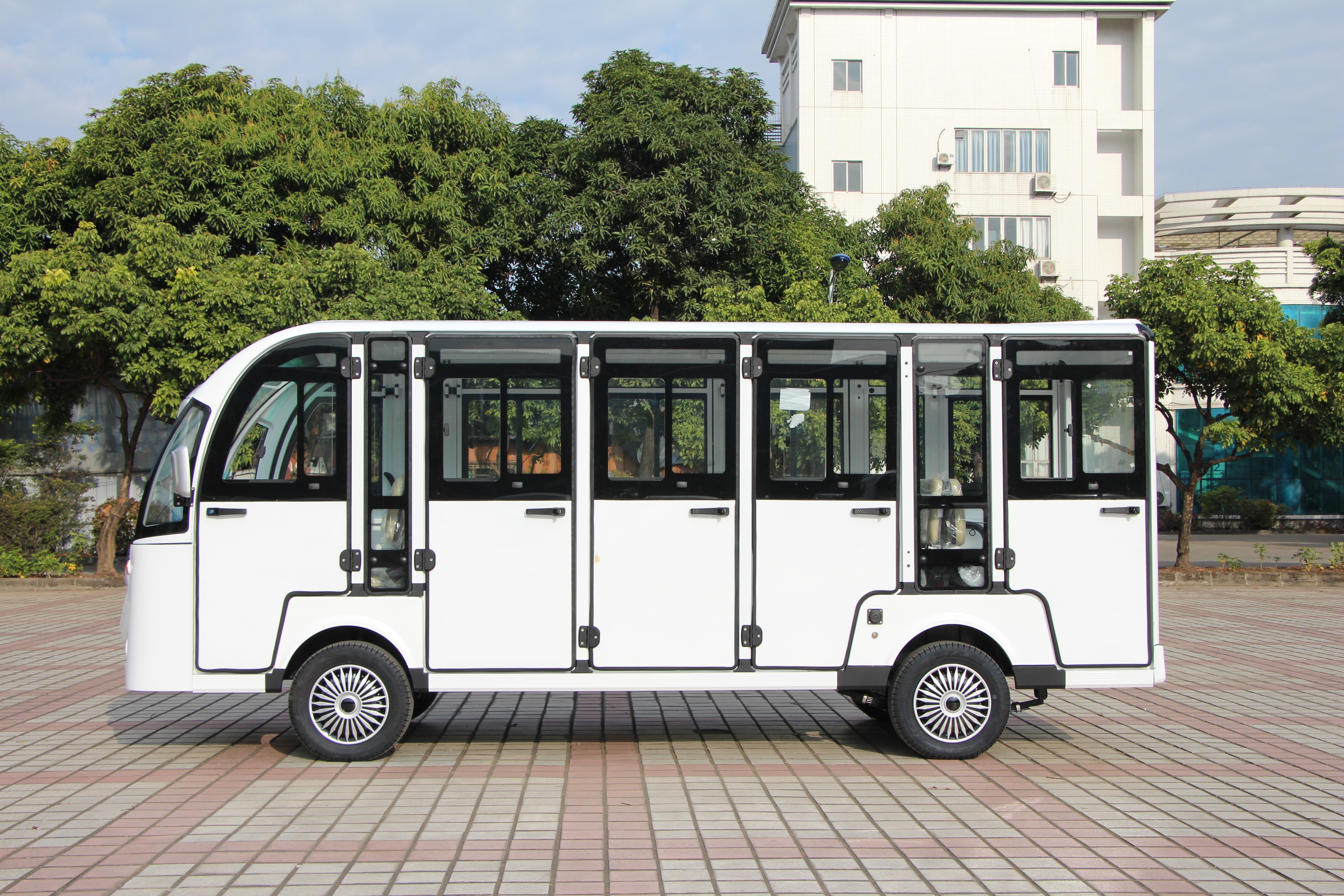
Determining the appropriate Incoterm for purchasing a 14seats bus depends heavily on vehicle dimensions, weight, and overall shipment volume. Electric passenger vehicles like the LQY148A型/D11A+3F feature a high-strength steel frame-type longitudinal beam chassis with electrophoretic and powder-coating anti-rust finishes. The combination of a front MacPherson suspension and rear integral suspension requires careful tie-down and containerized or flat-rack sea freight loading to preserve structural alignment during transit.
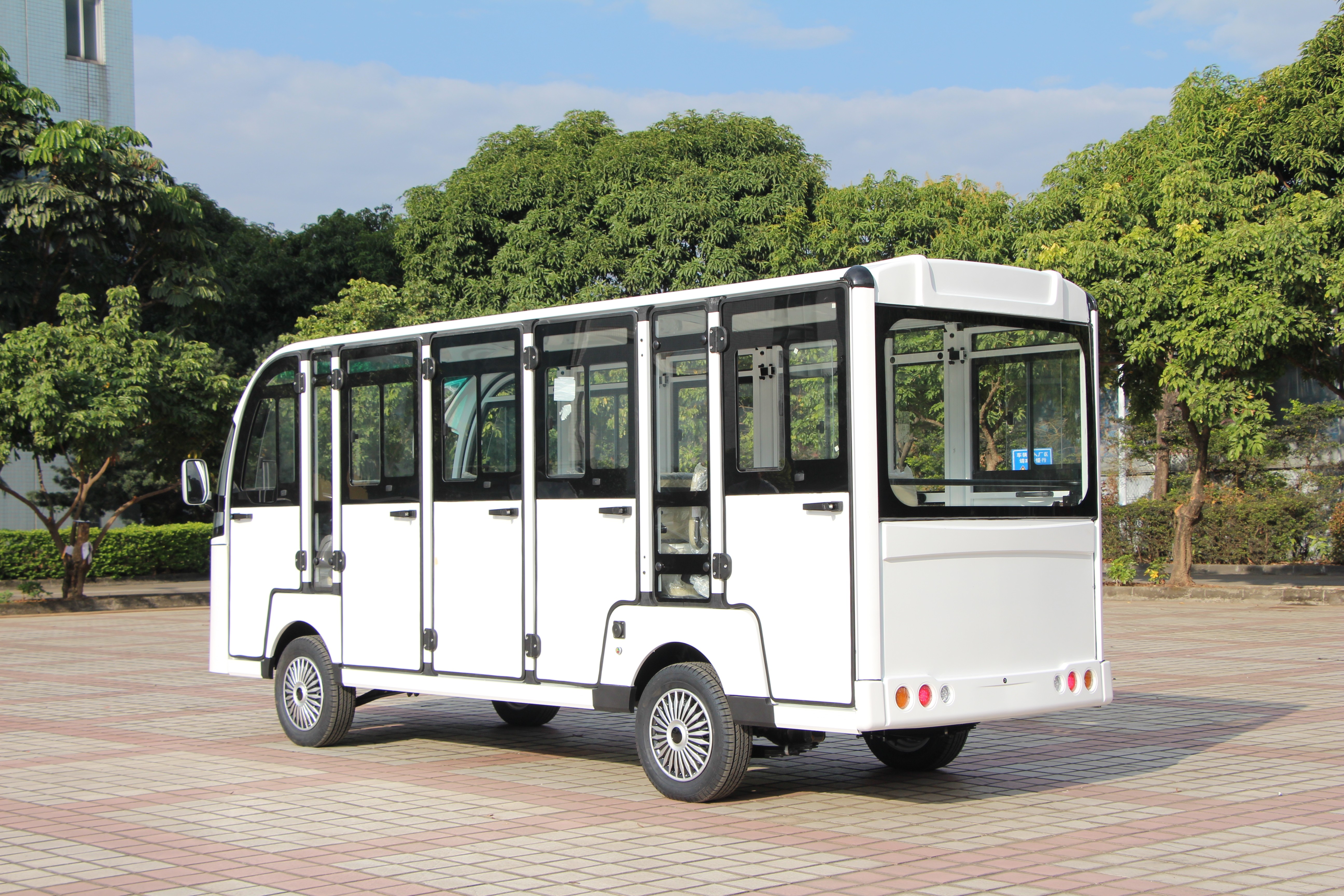
Under FOB terms, the seller assumes responsibility for all factory-to-port inland transport, export documentation, and loading costs at the origin port. Risk transfers to the buyer once the vehicle passes the ship's rail. This approach allows large fleet buyers to leverage their own ocean freight rates. Major fleet deployments—such as municipal sanitation contracts delivering 156 units to Singapore, 131 shuttle units for Egyptian museum transportation, or over 3,500 shuttle buses supplied to Cuba—frequently utilize structured sea freight logistics under FOB or CIF agreements.
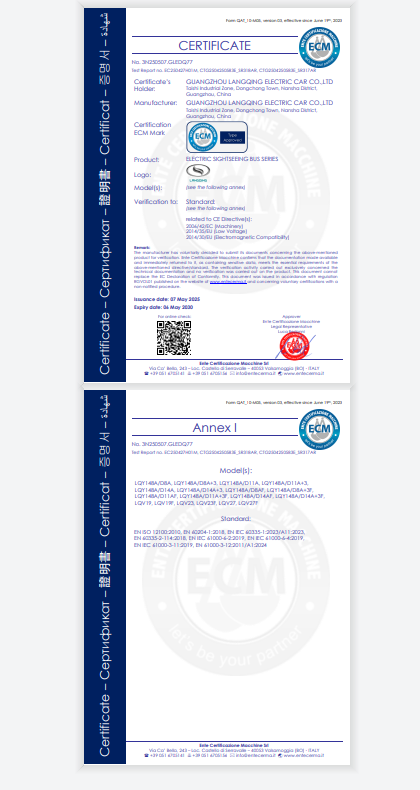
Quality assurance directly impacts shipping readiness. Every vehicle undergoes a 100% inspection line test and road test prior to container loading, ensuring compliance with international standards. Products certified under European standards, such as CE certificate 3N250506.GLEDQ43, streamline destination customs clearance regardless of whether FOB, CIF, or DDP terms are selected.
Data/Solution Comparison
| Incoterm | Risk Transfer Point | Ocean Freight Responsibility | Import Customs & Duties | Recommended Buyer Profile |
|---|---|---|---|---|
| FOB (Free On Board) | Loaded on vessel at origin port | Buyer | Buyer | Experienced buyers with dedicated freight forwarders and negotiated ocean rates. |
| CIF (Cost, Insurance & Freight) | Loaded on vessel at origin port | Seller | Buyer | Importers wanting supplier-managed ocean shipping and marine insurance coverage. |
| DDP (Delivered Duty Paid) | Delivered to buyer's final site | Seller | Seller | Buyers seeking complete door-to-door delivery without managing import customs. |
| EXW (Ex Works) | Seller's factory floor | Buyer | Buyer | Buyers with established logistics networks handling origin inland transport and export clearance. |
Frequently Asked Questions (FAQ)
What is the standard production and shipping lead time for a 14seats bus?
Manufacturing lead time ranges between 15 to 20 days per unit, with total delivery duration depending on the selected sea freight route and port destination.
What payment terms are required when shipping vehicles via sea freight?
Commercial orders operate under a standard framework requiring a 30% deposit upon contract confirmation, with the remaining balance settled before vehicle loading at the port.
How are electric buses protected against corrosion during sea transit?
Chassis components receive an electrophoretic and powder-coating treatment, protecting structural steel longitudinal beams against salt spray and moisture exposure during ocean voyages.
Final Conclusion & Recommendations
Selecting an appropriate Incoterm depends on organizational logistics expertise, custom handling capabilities, and risk management strategies. Importers with existing ocean shipping contracts benefit most from FOB terms, whereas buyers seeking simplified arrival logistics to destination ports should select CIF or DDP options. Supported by an Industry and Trade Integration model, production capacity reaching 1,000 units per month, and a 1-year whole-vehicle warranty, transport solutions can be tailored to meet international procurement specifications. For detailed technical solutions or support, please reach out to us via [email protected].
About Us
Guangzhou Langqing Electric Car CO., LTD. was established in 2000 in Nansha, Guangzhou, operating a 35,000-square-meter industrial park with an 80% export ratio and a monthly output of 1,000 units. Supported by a 30-member R&D team and 160 total employees, the company manufactures electric golf carts, sightseeing buses, and utility mini trucks. Holding CE and multiple ISO certifications, the enterprise supplies government projects and commercial operators across North America, Europe, the Middle East, and Southeast Asia.
Lastest
-
How are replacement spare parts provided for a 17seats bus?
2026-08-13 -
What is the typical deposit percentage for a 23seats bus order?
2026-08-13 -
What recyclable components are used in modern golf carts?
2026-08-13 -
What is the warranty policy for air conditioning on 23seats bus?
2026-08-13 -
What battery specs should I check when buying electric golf carts?
2026-08-13
SUBSCRIBE
INQUIRY