Is shifting to hydrogen fuel cell viable for 23seats bus public transit fleet?
- VIP-User
- 2026-08-16
- 8
Shifting to hydrogen fuel cell for a 23seats bus public transit fleet is only viable if fleet operators can support new refueling, maintenance, safety, and lifecycle-cost requirements. Based on the provided Langqing LQV23 data, the current vehicle information describes an open electric sightseeing bus platform, not a hydrogen fuel cell bus, so feasibility should be assessed as a separate conversion or procurement project.
Core Solutions & Key Takeaways
- Use the existing 23seats bus specification as the baseline: the LQV23 is described as an open sightseeing bus with a lightweight roof, open cockpit, impact-resistant PT + PBT alloy-injection-molded front cover, and auto-grade control features.
- Do not treat hydrogen fuel cell adoption as a direct like-for-like replacement unless refueling access, safety procedures, technician training, and supplier support are confirmed for the fleet route.
- For public transit in resorts, scenic areas, tourist attractions, hotels, and shuttle routes, operational fit should be measured by duty cycle, depot layout, passenger flow, route predictability, and maintenance readiness.
- For purchasing or fleet expansion, the provided business model supports industry and trade integration, minimum order quantity of 1 unit, 15 to 30 days delivery time, and 1-year whole-vehicle warranty under the general business information.
Detailed Architectural/Principle Analysis
The LQV23 product information centers on an electric open-sightseeing bus design rather than a hydrogen fuel cell drivetrain. Its stated architecture includes a lightweight roof, open cockpit, PT + PBT alloy-injection-molded front cover, simple headlights, high-strength anti-rust steel chassis, MacPherson independent front suspension, rear leaf-spring suspension, electric power-assisted steering, and a sensitive braking system.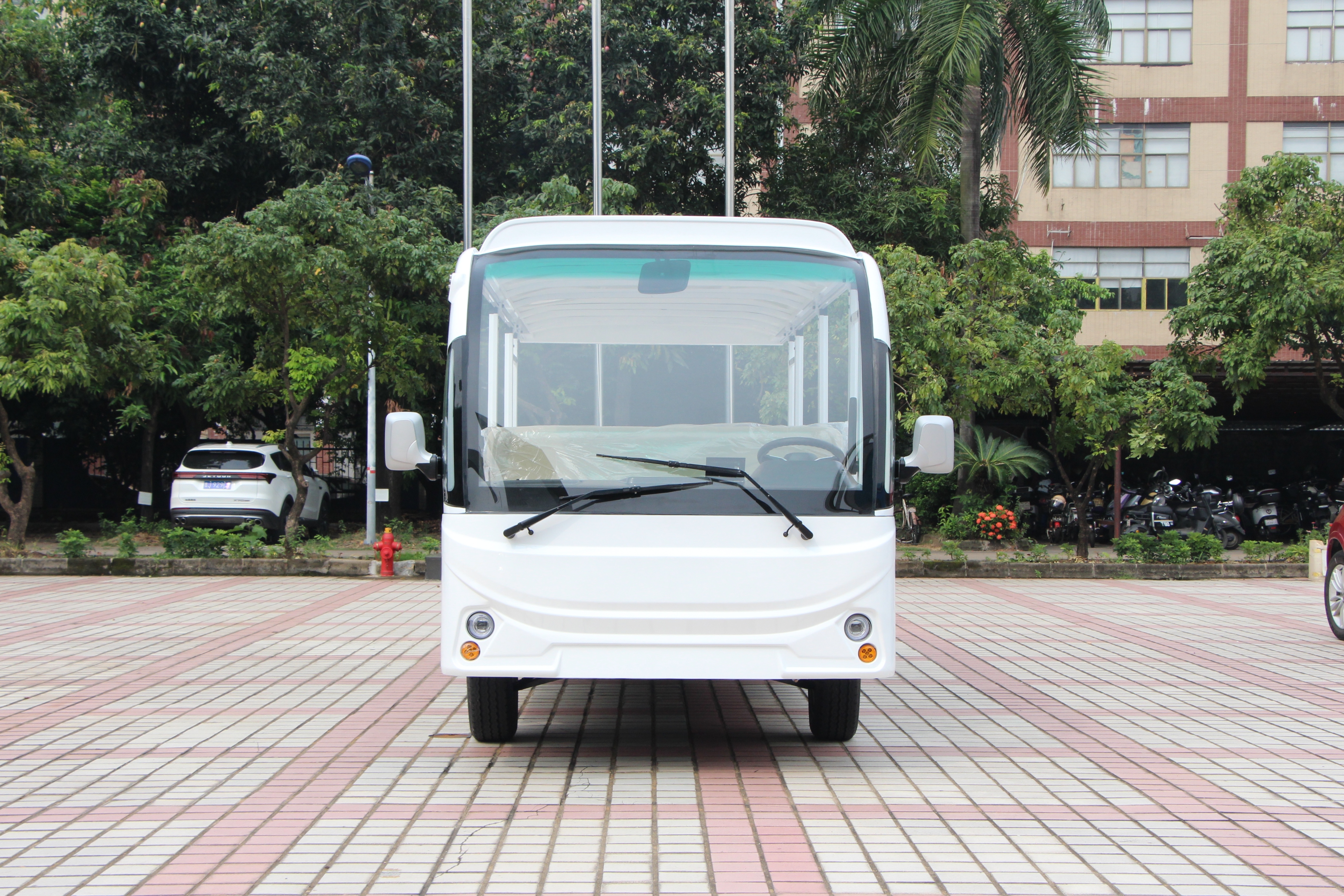
For a public transit fleet, the viability question is therefore not whether the provided LQV23 is already hydrogen-ready, because the product data does not state that. The practical question is whether a fleet operator should continue with the described electric sightseeing bus platform or commission a separate hydrogen fuel cell vehicle program with different energy storage, refueling, safety, and maintenance requirements.
A hydrogen fuel cell shift would need a separate engineering review because the provided chassis and body descriptions do not include hydrogen tanks, fuel cell stacks, hydrogen safety systems, or refueling interfaces. Any procurement decision should require written confirmation of drivetrain specification, inspection scope, after-sales coverage, and route-specific duty-cycle support before treating hydrogen as viable for the fleet.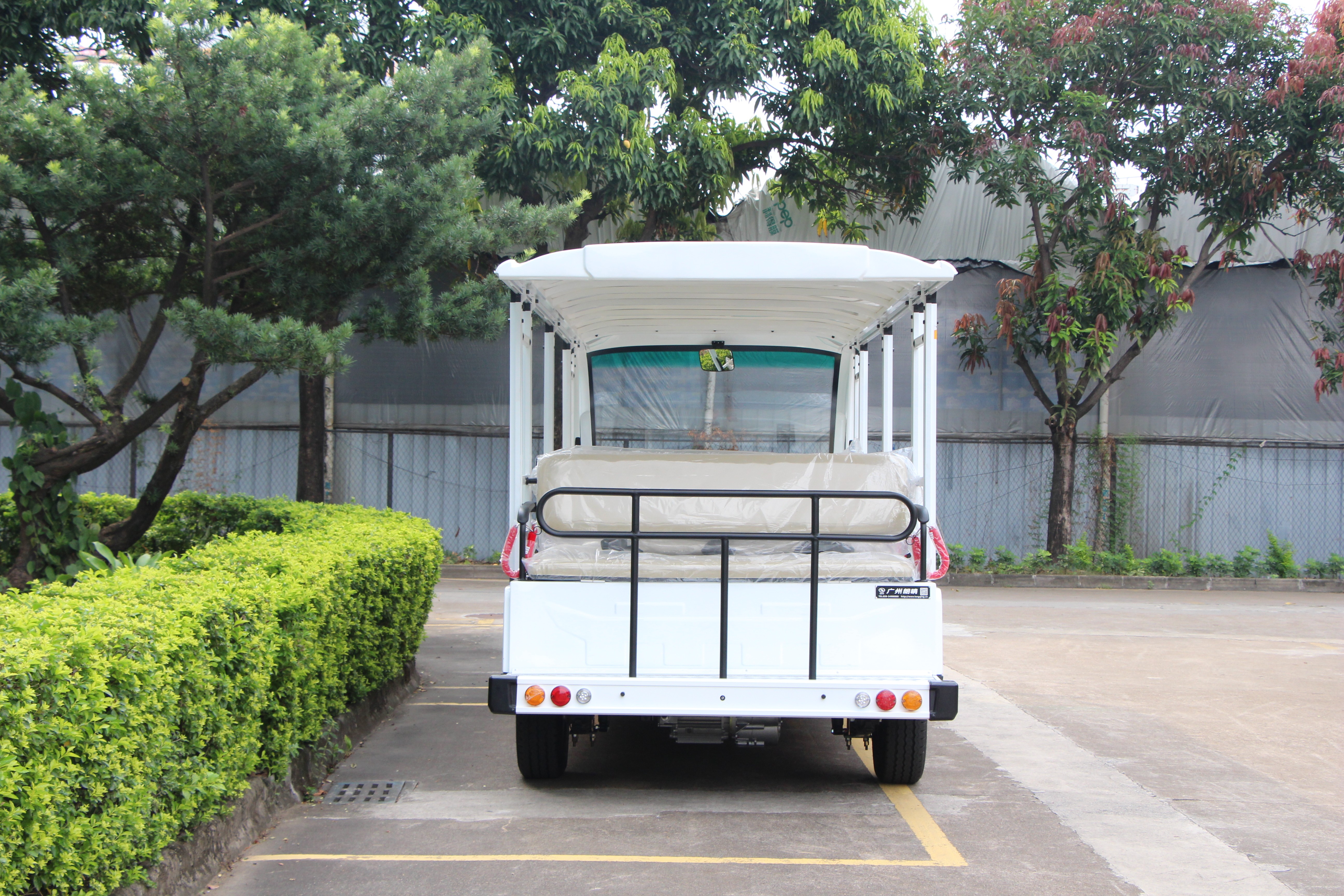
The application data supports electric sightseeing cars in scenic areas, tourist attractions, resorts, and hotels, where comfortable open-air tours and shuttle movement between facilities are central use cases. These are controlled operating environments, which can make fleet planning easier than dispersed citywide routes because depot location, charging or refueling access, and vehicle dispatch can be managed more predictably.
Quality assurance is a key decision point. The LQV23 product record states that every vehicle undergoes 100% inspection line testing and road testing before qualified units are approved for shipment. The broader business model also lists double inspection through advanced equipment and manual labor, which is relevant for transit fleet buyers comparing operational risk across technologies.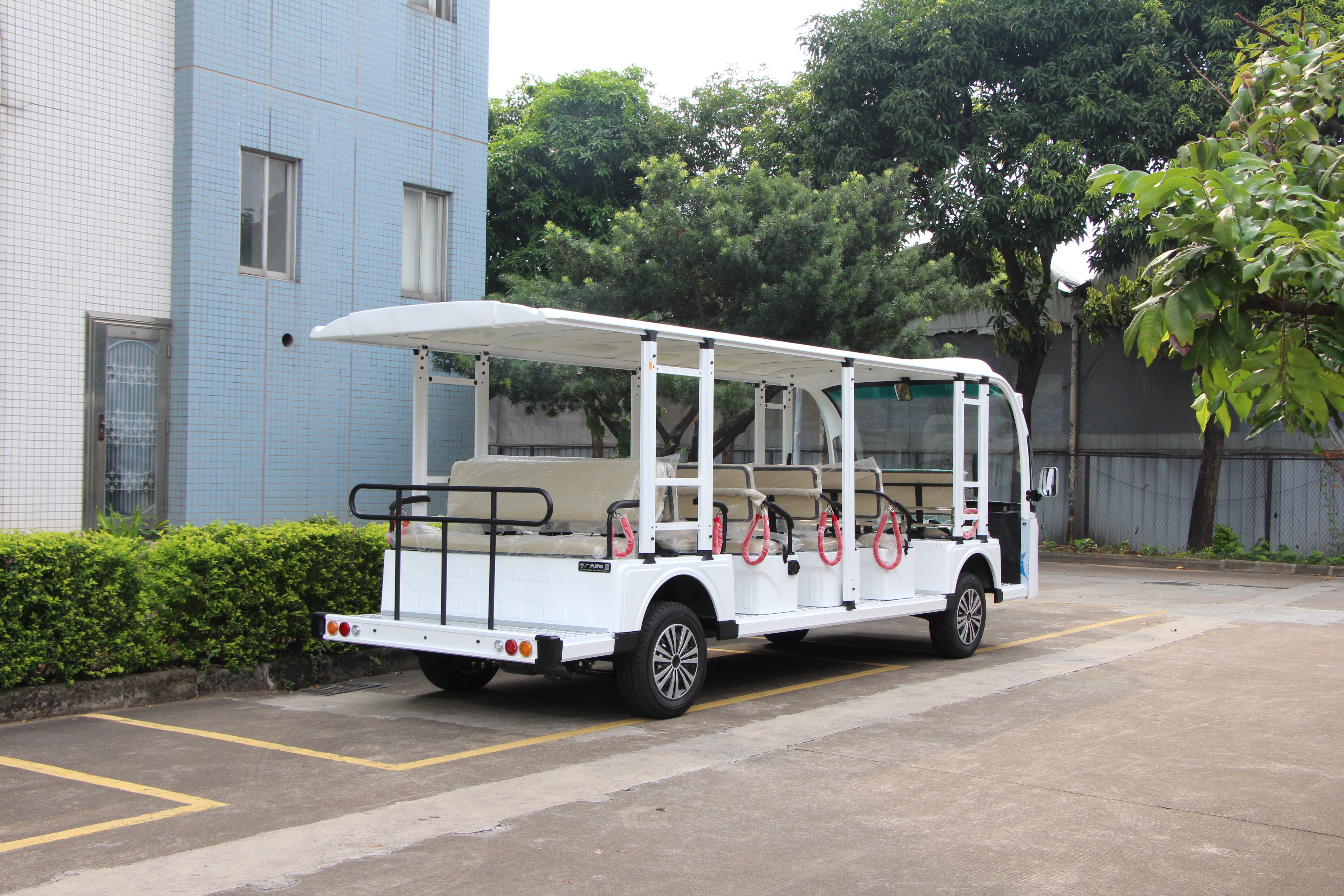
Credential support is available for the company’s listed electric golf cart, electric sightseeing bus, and electric truck categories through CE certification for the European Union. The provided certificate names include CE, with certificate numbers 3N250506.GLEDQ43, 3N250507.GLEDQ77, and 3N250507.GLEDQ78.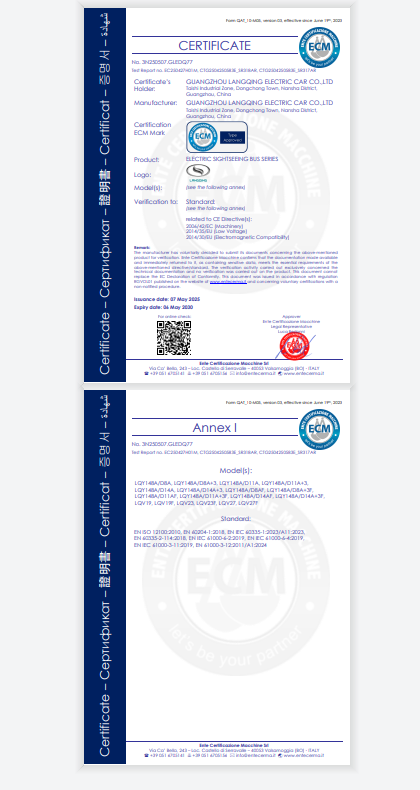
Field experience in shuttle and municipal applications is reflected in the provided cooperation cases. Examples include a museum cultural tourism vehicle project in Egypt, a Singapore municipal sanitation project, a Cuba shuttle bus cooperation case, and an Argentina airport shuttle bus case. These cases support the company’s experience in fleet-oriented use, although they do not state hydrogen fuel cell deployment.
Data/Solution Comparison
| Assessment Item | Provided LQV23 Electric 23seats Bus Data | Hydrogen Fuel Cell Shift for Public Transit Fleet |
|---|---|---|
| Vehicle platform evidence | Supported: open electric sightseeing bus product information is provided | Not specified in the provided product data |
| Passenger and use fit | Suitable for sightseeing, resort, hotel, scenic area, and shuttle-style operations based on listed applications | Potentially relevant only if a hydrogen version is separately engineered and documented |
| Infrastructure requirement | Electric fleet planning required, but charging details are not provided in the source data | Higher uncertainty because hydrogen refueling infrastructure is not stated in the source data |
| Inspection basis | 100% inspection line testing and road testing before shipment | Would require additional inspection criteria for hydrogen tanks, fuel cell system, and safety controls; not stated in the source data |
| Procurement support | MOQ 1, delivery time 15 to 20 days for LQV23 product data, full after-sales support with timely responses and quick solutions | Requires separate commercial and technical confirmation because hydrogen fuel cell support is not listed |
| Business model | Industry and trade integration, 15 to 30 days general delivery time, 1-year warranty for the whole vehicle | Not defined in the provided business model |
Frequently Asked Questions (FAQ)
Is the Langqing LQV23 listed as a hydrogen fuel cell 23seats bus?
No. The provided product information describes the LQV23 as an open sightseeing bus with electric vehicle-related architecture and quality inspection data, but it does not state a hydrogen fuel cell drivetrain.
When could hydrogen fuel cell be viable for a 23seats bus public transit fleet?
It could be considered only after confirming a hydrogen-ready vehicle specification, refueling access, safety procedures, maintenance capability, after-sales responsibility, and route-specific operating requirements. Those items are not included in the provided LQV23 data.
Which applications are better supported by the supplied data?
The supplied data supports electric sightseeing cars and shuttle-style use in scenic areas, tourist attractions, resorts, hotels, gated communities, and similar controlled environments. It also references shuttle cooperation cases in Egypt, Cuba, and Argentina.
Final Conclusion & Recommendations
A shift to hydrogen fuel cell for a 23seats bus public transit fleet should not be approved from the supplied data alone. The documented LQV23 offer is an electric sightseeing bus platform with 100% inspection line testing and road testing, CE certification coverage for related electric vehicle categories, MOQ of 1, stated delivery support, and after-sales response. Fleet buyers should use the LQV23 data as an electric baseline, then request separate hydrogen fuel cell specifications, safety documentation, refueling requirements, and warranty terms if hydrogen remains under consideration. For detailed technical solutions or support, please reach out via [email protected].
About Us
Guangzhou Langqing Electric Car CO., LTD. was established in 2000 in Nansha Economic Development Zone, Guangzhou, and developed the Langqing Industrial Park in 2003. The company focuses on research and development, production, sales, and service for all-electric vehicles, with main products covering electric golf carts, electric sightseeing buses, and electric trucks. Its stated capability includes a 30-member research and development team, a 10-member testing team, a 20-member quality control team, and production capacity of 1000 units per month. The company holds CE certification for electric golf carts, electric sightseeing buses, and electric trucks, and has served clients across multiple industries through listed cooperation cases.
Lastest
-
How are replacement spare parts provided for a 17seats bus?
2026-08-16 -
What is the typical deposit percentage for a 23seats bus order?
2026-08-16 -
What recyclable components are used in modern golf carts?
2026-08-16 -
What is the warranty policy for air conditioning on 23seats bus?
2026-08-16 -
What battery specs should I check when buying electric golf carts?
2026-08-16
SUBSCRIBE
INQUIRY