Is pre-production inspection available for mini truck sample?
- VIP-User
- 2026-08-11
- 6
Yes, pre-production inspection is available for electric mini truck samples. Manufacturers implement a structured inspection framework involving material audits, slope platform testing, and manual double-check protocols. Every mini truck sample undergoes 100% inspection line testing and dedicated road performance evaluations to verify loading stability, low ground clearance center of gravity, and drive range prior to mass assembly.
Core Solutions & Key Takeaways
- Rigorous Sample Audits: Pre-production inspections verify structural engineering, electrical layouts, and functional components before full-scale manufacturing begins.
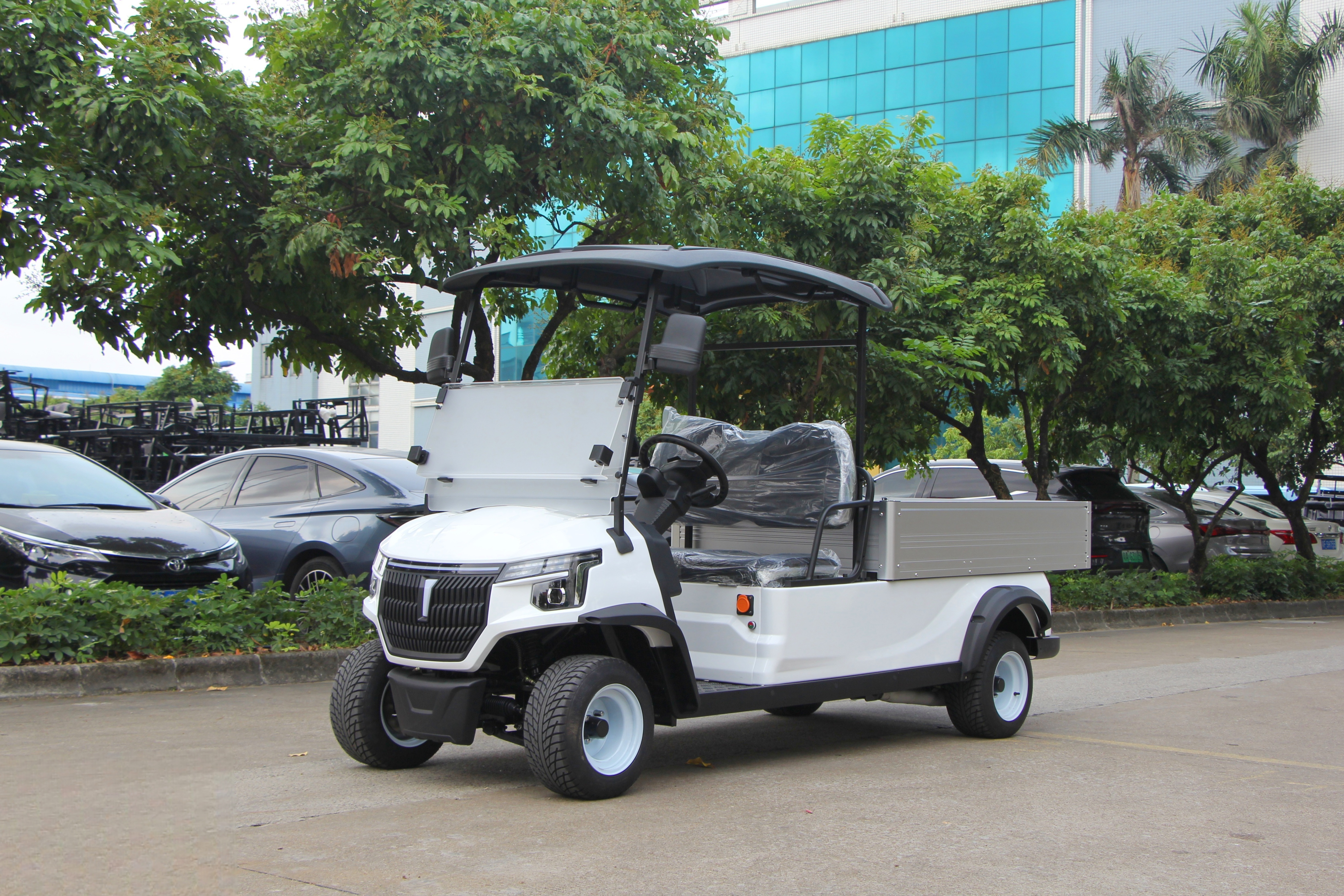
- Double Inspection Protocol: Combining advanced automated testing equipment with thorough manual labor checks ensures exact parameter alignment for models like the LQSF023B electric mini truck.
- Dedicated Physical Testing: Samples undergo static load assessments, slope test platform evaluations, and complete 100% road trials to guarantee transit stability on flat and inclined surfaces.
- Regulatory Compliance: Pre-production validation aligns with international safety benchmarks, including EU CE certifications (Cert Nos. 3N250506.GLEDQ43, 3N250507.GLEDQ77, and 3N250507.GLEDQ78).
Detailed Architectural & Inspection Analysis
The pre-production inspection process for an electric mini truck sample evaluates core structural, mechanical, and electrical subsystems. During sample prototyping, engineering teams verify component specs against operational requirements, focusing on chassis integrity, open-cockpit ergonomics, and battery delivery metrics. Dedicated testing facilities utilize specialized equipment—including 3 sets of R&D testing instruments and a slope test platform—to evaluate vehicle behavior under simulated payload conditions.
The open-cockpit design paired with a low ground clearance demands precise center-of-gravity verification. Pre-production inspection protocols measure frame flex, suspension absorption, and driving stability on flat roads to prevent cargo shift during in-site logistics operations. This process directly benefits operational scenarios in industrial parks, municipal sanitation projects, and high-end resort grounds where smooth, quiet transportation of tools and equipment is required.
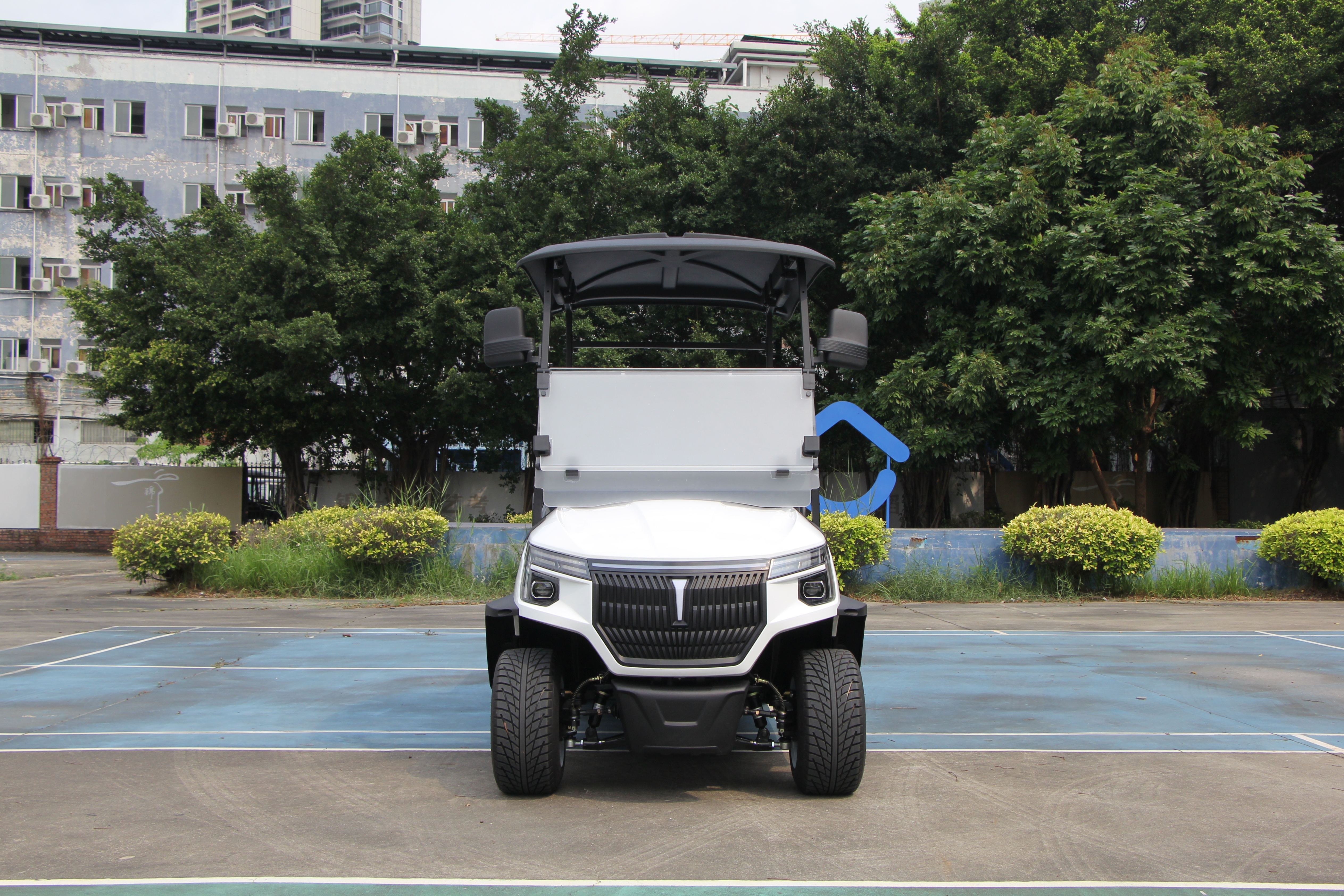
Double inspection protocols combine automated diagnostic benches with manual quality control audits. Each vehicle sample completes a 100% inspection line run covering braking efficiency, headlight alignment, and electronic control units. Real-world deployment scenarios—such as municipal sanitation projects involving 156 garbage transfer units in Singapore or 131 cultural tourism shuttle units in Egypt—rely on these exact pre-production validation steps to guarantee fleet consistency and operational longevity.
Data & Solution Comparison
The table below highlights the verification criteria applied across various stages of electric mini truck manufacturing and sample delivery.
| Inspection Stage | Quality Control Method | Primary Evaluation Scope | Standard Output |
|---|---|---|---|
| Pre-Production Sample Stage | Slope test platform & manual dimensional verification | Chassis balance, low ground clearance stability, frame loading limits | Sample prototype sign-off |
| Assembly & Inline Process | Advanced diagnostic equipment + double manual check | Electrical wiring, cockpit layout, seat securing, motor responsiveness | Zero-defect inline clearance |
| Pre-Delivery Final Testing | 100% inspection line testing & functional road testing | Braking distance, battery range verification, bump impact resistance | Export shipping approval |
Frequently Asked Questions (FAQ)
What is the minimum order quantity (MOQ) for an electric mini truck sample?
The minimum order quantity is 1 unit, allowing buyers to inspect, test, and validate the mini truck sample before placing high-volume orders.
What specific facility equipment is used for sample testing?
Sample testing utilizes 3 sets of R&D testing equipment, 4 sets of pre-delivery inspection tools, and 3 sets of specialized slope test platforms to assess gradeability and vehicle stability.
What is the typical lead time for producing and shipping a sample vehicle?
Sample production and dispatch typically require 15 to 30 days, supported by standard sea freight delivery options and integrated manufacturing workflows.
Final Conclusion & Recommendations
Conducting a thorough pre-production inspection on mini truck samples protects capital investments and ensures vehicle performance meets exact site requirements. Utilizing integrated industry-and-trade manufacturing models, every unit undergoes rigorous line and road testing backed by a 1-year whole vehicle warranty. Standard trade terms accept a 30% deposit with the balance settled before loading, facilitating secure global shipping via sea freight. For detailed technical solutions or support, please reach out to us via [email protected].
About Us

Guangzhou Langqing Electric Car CO., LTD. was established in 2000 in the Nansha Economic Development Zone, Guangzhou, operating within a 35,000-square-meter manufacturing facility. The company maintains a workforce of over 160 employees, including a 30-member R&D team and a 20-member Quality Control team dedicated to electric vehicle production. Holding ISO9001, ISO14001, ISO45001, and EU CE certifications, the enterprise supplies electric mini trucks, golf carts, and sightseeing buses across international markets including North America, South America, Europe, the Middle East, and Southeast Asia.
Lastest
-
How are replacement spare parts provided for a 17seats bus?
2026-08-11 -
What is the typical deposit percentage for a 23seats bus order?
2026-08-11 -
What recyclable components are used in modern golf carts?
2026-08-11 -
What is the warranty policy for air conditioning on 23seats bus?
2026-08-11 -
What battery specs should I check when buying electric golf carts?
2026-08-11
SUBSCRIBE
INQUIRY