How long will prototyping take for custom 1ton truck chassis?
- VIP-User
- 2026-08-14
- 7
Prototyping a custom 1ton truck chassis requires 15 to 30 days, depending on engineering design specs and cargo requirements. Standard electric mini truck chassis designs utilizing electrophoresis and powder-coated high-strength steel complete prototyping and pre-delivery inspection within 15 to 20 days, enabling rapid deployment for industrial and commercial fleets.
Core Solutions & Key Takeaways
- Engineered Structural Durability: Built on high-strength steel with dual-layer surface protection (electrophoresis plus powder coating) to resist corrosion and structural impacts.
- Advanced Suspension Configuration: Integrates front MacPherson independent suspension with a heavy-duty rear integral suspension to balance load distribution and driving stability.
- Versatile Application Capabilities: Optimized for short-haul operational logistics, municipal transfer operations, and property maintenance across industrial campuses and resorts.
- Rigorous Verification Protocols: Prototypes complete 100% inspection line evaluations, slope platform tests, and dynamic road tests prior to release.
Detailed Architectural/Principle Analysis
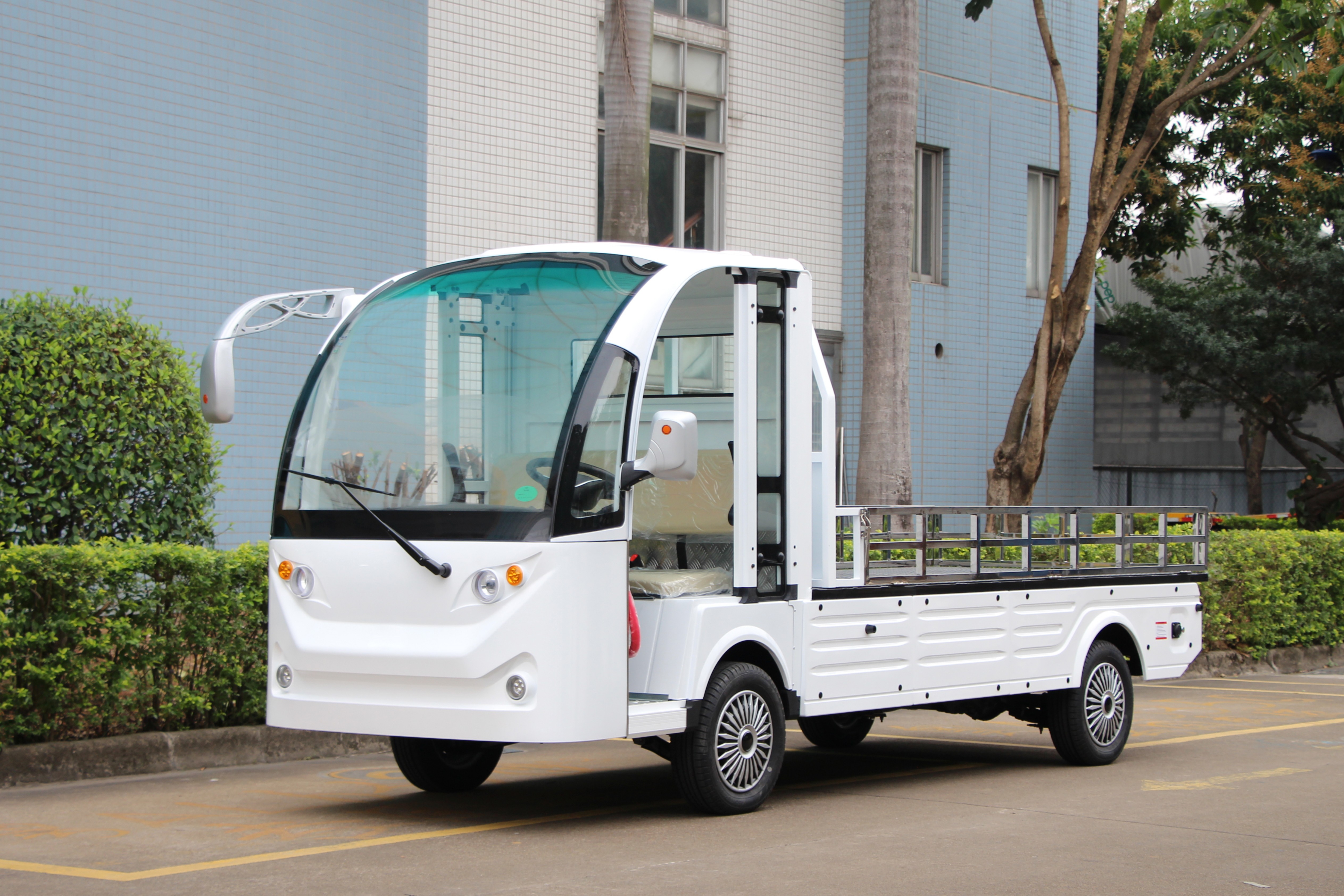
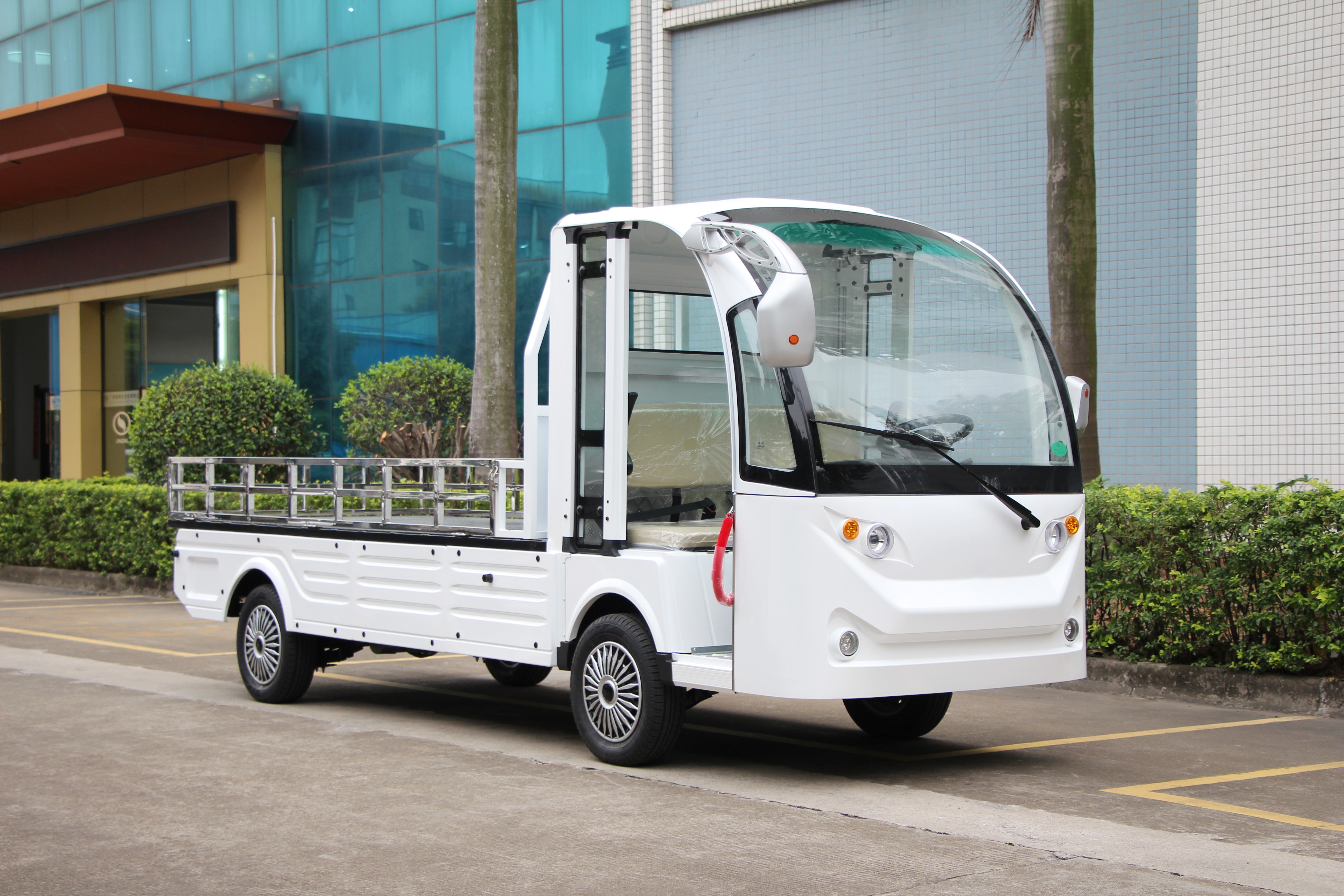
Developing a custom 1ton truck chassis involves precise engineering alignment between load demands and vehicle geometry. The primary foundation utilizes high-strength steel tubing processed through an automated electrophoresis dip followed by powder coating. This treatment yields high salt-spray resistance and mechanical durability. The structural framework provides a flexible footprint suitable for varied cargo beds, mini-truck utility boxes, or specialized sanitation equipment.
Operational stability depends heavily on the suspension layout. Integrating front MacPherson suspension reduces unsprung mass and expands driver legroom, while the rear integral axle design supports heavy load distribution up to 1 ton. The broad driving vision and streamlined front profile optimize maneuvering through tight factory corridors or crowded municipal zones. Real-world implementations include 156 units of garbage transfer mini trucks supplied for Singapore municipal sanitation projects, where rigid frame alignment and heavy-duty chassis structures reduced maintenance downtime under continuous daily cycles.
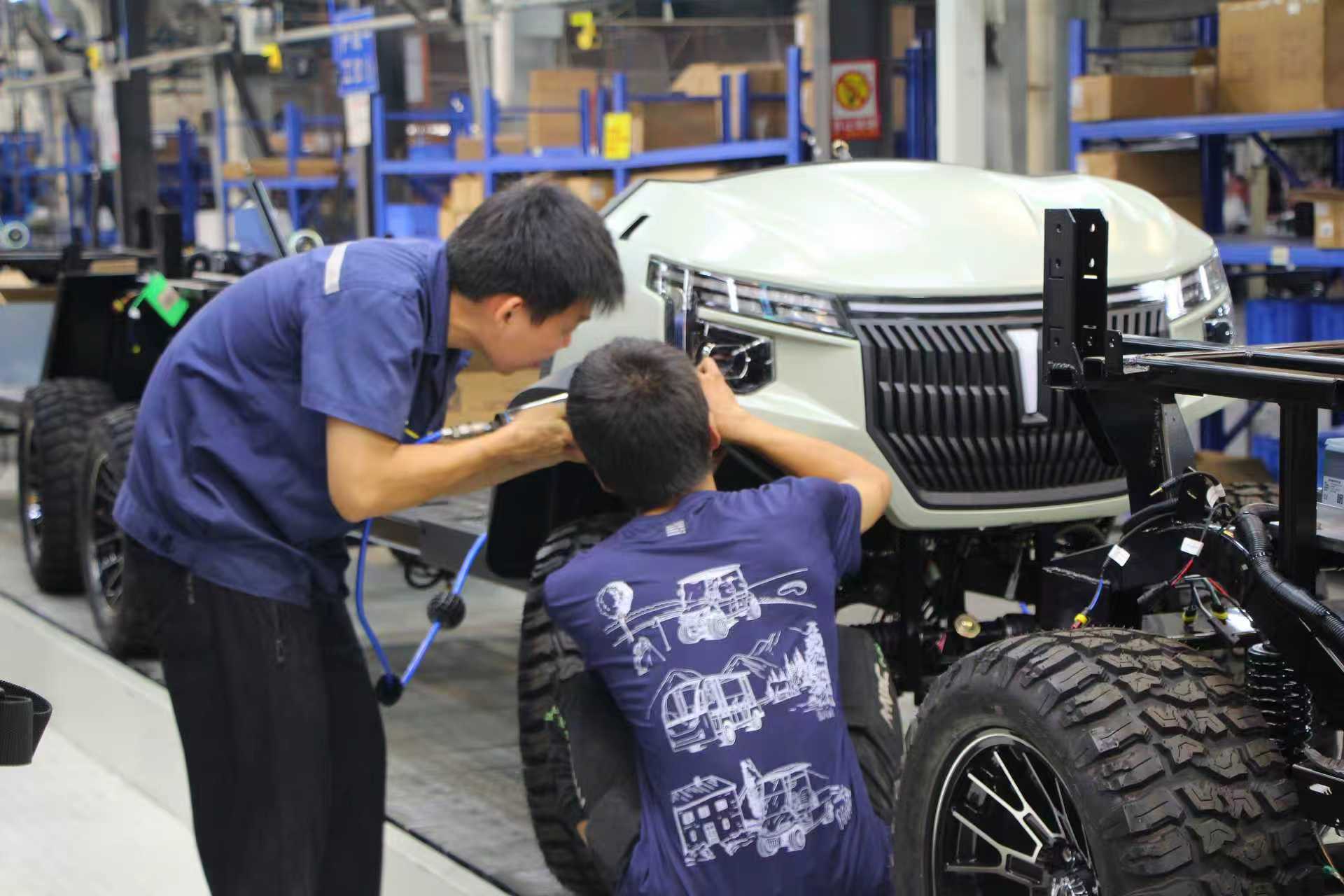
Quality assurance for custom prototypes relies on structured testing platform validation. Engineering evaluations utilize designated slope test platforms and pre-delivery inspection systems. Every single chassis configuration undergoes strict compliance auditing under certified frameworks including CE (Certificate 3N250506.GLEDQ43) to guarantee mechanical safety and international operational standards.
Data/Solution Comparison
The operational and manufacturing parameters of the LQF1032 1ton truck chassis prototype are detailed below:
| Specification Parameter | Standard Model (LQF1032) | Custom Heavy-Duty Variant |
|---|---|---|
| Prototyping Lead Time | 15 - 20 days | 15 - 30 days |
| Chassis Construction | High-Strength Steel (Electrophoresis + Powder Coating) | High-Strength Steel (Reinforced Electrophoresis + Powder Coating) |
| Front / Rear Suspension | Front MacPherson / Rear Integral | Front MacPherson / Heavy-Duty Rear Integral |
| Quality Testing Protocol | 100% Inspection Line & Road Testing | 100% Line, Road & Slope Platform Testing |
| Minimum Order Quantity (MOQ) | 1 unit | 1 unit |
| Supported Business Models | Industry and Trade Integration | Industry and Trade Integration |
| Payment Terms & Logistics | 30% deposit, balance before loading / Sea freight | 30% deposit, balance before loading / Sea freight |
Frequently Asked Questions (FAQ)
What factors impact the timeline for custom 1ton chassis prototyping?
Customization variables such as special cargo dimension adjustments, modified mounting points for sanitation equipment, and specialized suspension tuning directly define whether prototyping takes 15 days for standard modifications or up to 30 days for complex re-engineering.
How is rust protection applied to the chassis frame?
The high-strength steel chassis undergoes an electrophoresis bath treatment followed by an electrostatically applied powder coat. This dual-layer surface finish protects structural integrity against moisture, road salts, and chemical exposure.
What quality testing is conducted before shipping prototype chassis units?
Each prototype undergoes 100% inspection line testing, automated slope platform evaluation, and functional road testing. Prototype units are only dispatched after satisfying full operational compliance metrics.
Final Conclusion & Recommendations
Selecting an experienced manufacturing partner with integrated R&D and trade capabilities accelerates prototyping while reducing delivery risks. With monthly manufacturing capacity reaching 1,000 units and complete vehicle coverage backed by a 1-year warranty, standard and customized 1ton electric truck chassis designs achieve smooth transition from CAD prototyping to bulk production. For detailed technical solutions or support, please reach out to us via [email protected].
About Us
Guangzhou Langqing Electric Car CO., LTD. was established in 2000 in Nansha Economic Development Zone, Guangzhou, operating a 35,000-square-meter manufacturing infrastructure with a monthly production capacity of 1,000 units. Supported by a dedicated technical team comprising 30 R&D engineers, 10 testing specialists, and 20 quality control specialists, the enterprise maintains an 80% export ratio across global markets in North America, South America, Europe, the Middle East, and Southeast Asia. The company holds international certifications including ISO9001, ISO14001, ISO10012, ISO45001, and EU CE, supplying certified electric golf carts, sightseeing buses, and mini trucks for government projects, municipal sanitation services, and commercial fleet operators worldwide.

Lastest
-
How are replacement spare parts provided for a 17seats bus?
2026-08-14 -
What is the typical deposit percentage for a 23seats bus order?
2026-08-14 -
What recyclable components are used in modern golf carts?
2026-08-14 -
What is the warranty policy for air conditioning on 23seats bus?
2026-08-14 -
What battery specs should I check when buying electric golf carts?
2026-08-14
SUBSCRIBE
INQUIRY