How does steel price volatility impact wholesale mini truck costs?
- VIP-User
- 2026-08-13
- 7
Steel price volatility directly affects wholesale mini truck costs because structural steel, chassis frames, and body reinforcements account for a substantial portion of raw material expenses. Fluctuations in global steel markets alter manufacturing production costs, causing wholesale pricing adjustments, inventory cost shifts, and variable bill-of-materials expenditures for high-volume commercial electric utility vehicle fleets.
Core Solutions & Key Takeaways
- Bill of Materials (BOM) Sensitivity: Structural steel forms the main frame and load-bearing chassis of electric mini trucks, making overall vehicle wholesale prices sensitive to steel index movements.
- Optimized Chassis Engineering: Utilizing low ground clearance frame architecture stabilizes the center of gravity while optimizing structural steel volume to control weight and raw material overhead.
- Flexible Fleet Procurement: Standardizing procurement with minimum order quantities (MOQ of 1 unit) helps buyers mitigate bulk raw material surcharge fluctuations.
- Multi-Scenario Utility: Electric mini trucks serve specialized operations across industrial parks, resorts, and municipal services, balancing material input costs with high long-term operational efficiency.
Detailed Architectural & Principle Analysis
Steel pricing movements ripple through the commercial vehicle supply chain by shifting basic manufacturing expenditures. Structural chassis components, cab framing, and suspension mountings depend heavily on high-tensile steel. When raw steel pricing fluctuates, original equipment manufacturers adjust their wholesale pricing structures or offset costs through lean structural engineering.
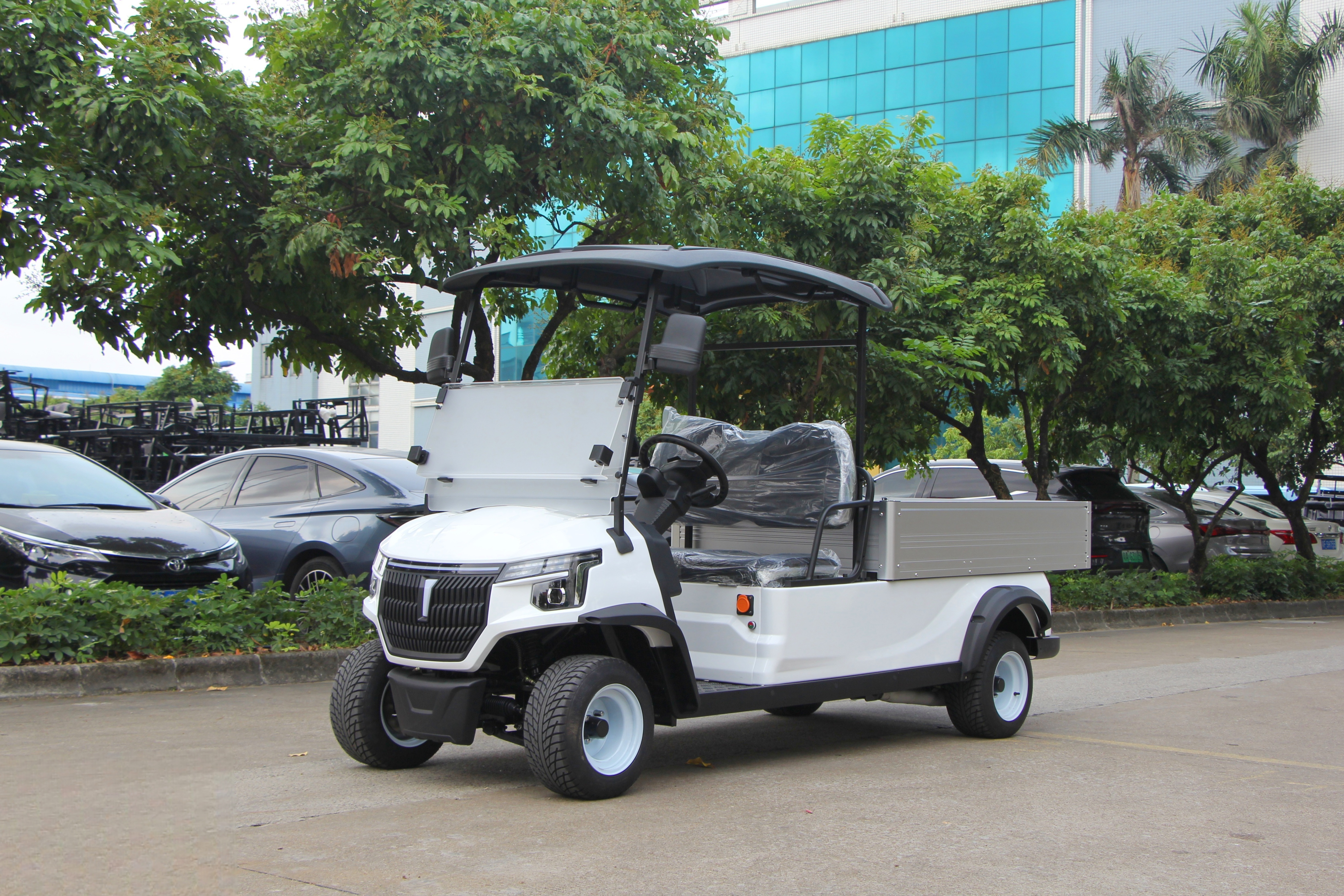
To maintain cost efficiency without compromising safety, technical designs like the LQSF023B electric mini truck incorporate an optimized open-type cockpit layout paired with regular black seats and low ground clearance. This frame construction secures a low center of gravity, delivering high cargo stability on flat surfaces and minimizing unnecessary structural mass. Lowering overall body weight reduces steel consumption while protecting cargo from road vibration impact during internal logistics operations in industrial parks, factories, and hospitality resorts.
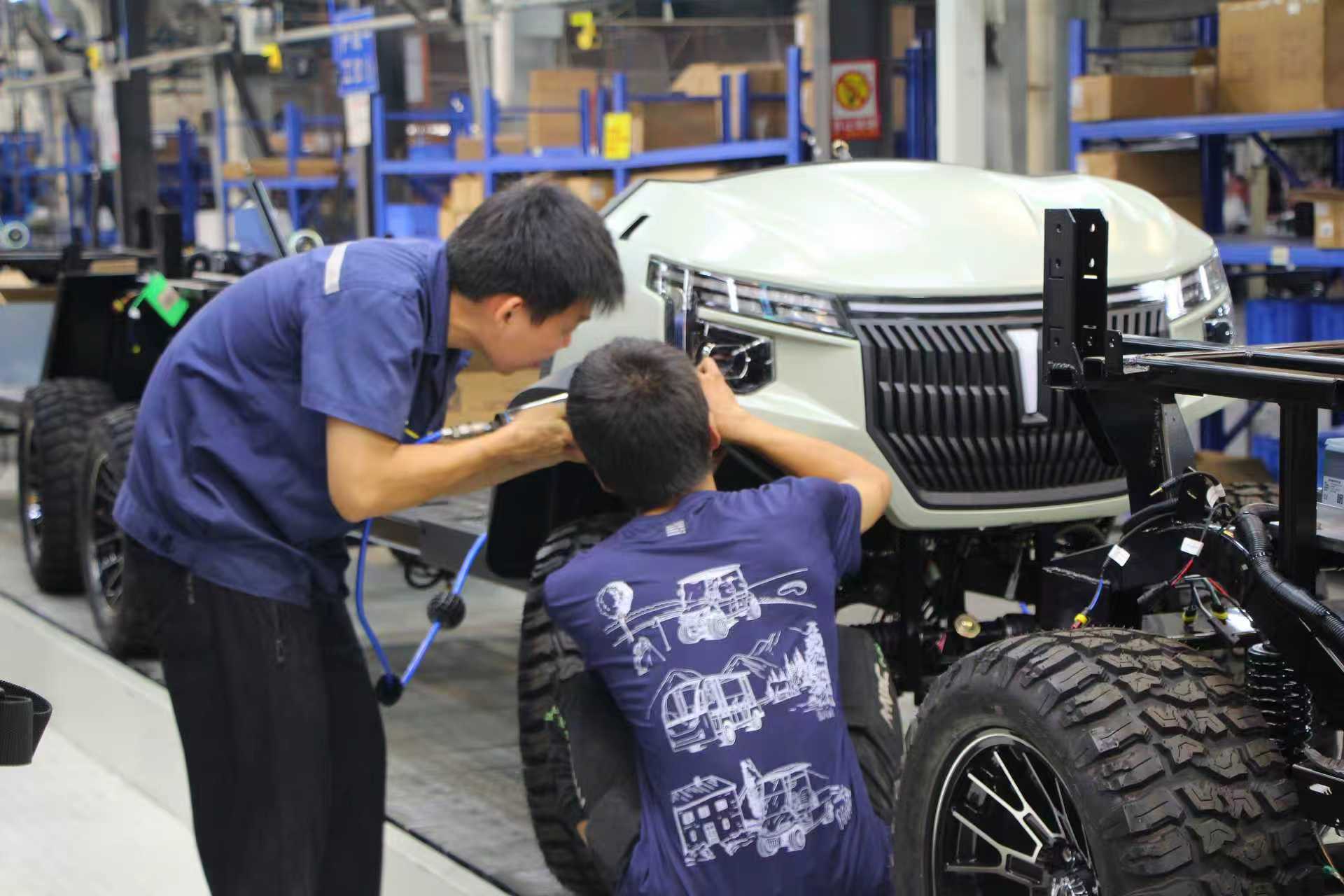
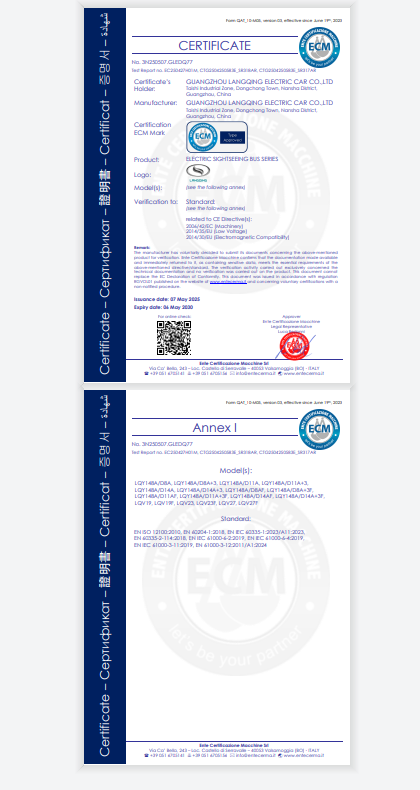
Manufacturing scale and standardized production lines further shield volume buyers from short-term market spikes. Certified under CE regulations (such as standards 3N250506.GLEDQ43), commercial utility vehicles undergo strict quality controls. Real-world implementations—including a 156-unit municipal sanitation order in Singapore for garbage transfer and over 3,500 shuttle units operating in Cuba—demonstrate how stable engineering designs maintain long-term reliability regardless of upstream commodity price changes.
Data & Solution Comparison
Understanding how material specifications interact with commercial supply metrics provides insight into managing wholesale fleet purchases amidst changing steel pricing.
| Parameter / Metric | Standard Heavy Frame Utility Truck | LQSF023B Electric Mini Truck |
|---|---|---|
| Structural Material Profile | High-volume thick-gauge steel alloy | Optimized low-clearance steel frame architecture |
| Impact of Steel Price Fluctuation | High (Direct BOM variance > 12%) | Moderate (Mitigated via standardized modular design) |
| Minimum Order Quantity (MOQ) | 5–10 units | 1 unit |
| Production Lead Time | 30–45 days | 15–20 days |
| Quality Inspection Standard | Batch sampling check | 100% inspection line testing & road testing |
| Logistics & Shipping Options | Sea freight / Multi-modal | Sea freight (30% deposit, balance before loading) |
Frequently Asked Questions (FAQ)
How do electric mini truck manufacturers hedge against sudden steel price increases?
Manufacturers absorb raw material volatility by maintaining high-capacity monthly outputs (e.g., 1,000 units per month), standardizing chassis components across multiple product lines, and securing pre-hedged supplier material contracts.
Does a low ground clearance chassis design help reduce overall manufacturing costs?
Yes. Low ground clearance frame layouts streamline overall chassis geometry, requiring less structural reinforcement steel to maintain structural rigidity and a stable center of gravity during transit.
What testing procedures ensure chassis integrity despite lean material usage?
Vehicles undergo 100% inspection line testing alongside road testing to verify load stability, braking efficiency, and structural durability under maximum load capacity before factory release.
Final Conclusion & Recommendations
Managing the financial impact of steel price volatility requires selecting fleet vehicles built on standardized, high-efficiency frame designs. By pairing CE-certified structural engineering with direct factory supply models—offering flexible 1-unit MOQs, 15 to 20-day delivery timelines, and full 1-year vehicle warranty coverage—fleet buyers maintain stable wholesale pricing structures. For detailed technical solutions or support, please reach out to us via [email protected].
About Us
Guangzhou Langqing Electric Car CO., LTD. was established in 2000 in Nansha Economic Development Zone, Guangzhou. Operating from a 35,000-square-meter facility with 160 employees and a dedicated 30-member R&D team, the enterprise maintains an annual production capacity of 1,000 units per month across electric golf carts, sightseeing buses, and mini trucks. Holding ISO9001, ISO14001, ISO45001, and EU CE certifications, the company has delivered commercial EV solutions to international clients across North America, Europe, the Middle East, and Southeast Asia, including major municipal projects in Singapore and long-term transit programs in Cuba.

Lastest
-
How are replacement spare parts provided for a 17seats bus?
2026-08-13 -
What is the typical deposit percentage for a 23seats bus order?
2026-08-13 -
What recyclable components are used in modern golf carts?
2026-08-13 -
What is the warranty policy for air conditioning on 23seats bus?
2026-08-13 -
What battery specs should I check when buying electric golf carts?
2026-08-13
SUBSCRIBE
INQUIRY