How do you track quality issues in 23seats bus batch production?
- VIP-User
- 2026-08-13
- 10
Tracking quality issues in 23seats bus batch production requires end-to-end quality control, utilizing a dedicated quality inspection framework with advanced testing equipment, 100% inspection line protocols, and comprehensive road testing. Specialized quality control teams monitor raw material integrity, chassis structural finishes, and dynamic vehicle performance across assembly stages to isolate and correct defects prior to shipment.
Core Solutions & Key Takeaways
- Double Inspection Protocol: Combining manual inspection with automated testing equipment—including 4 sets of pre-delivery inspection tools and 3 sets of slope test platforms—to verify structural and mechanical performance.
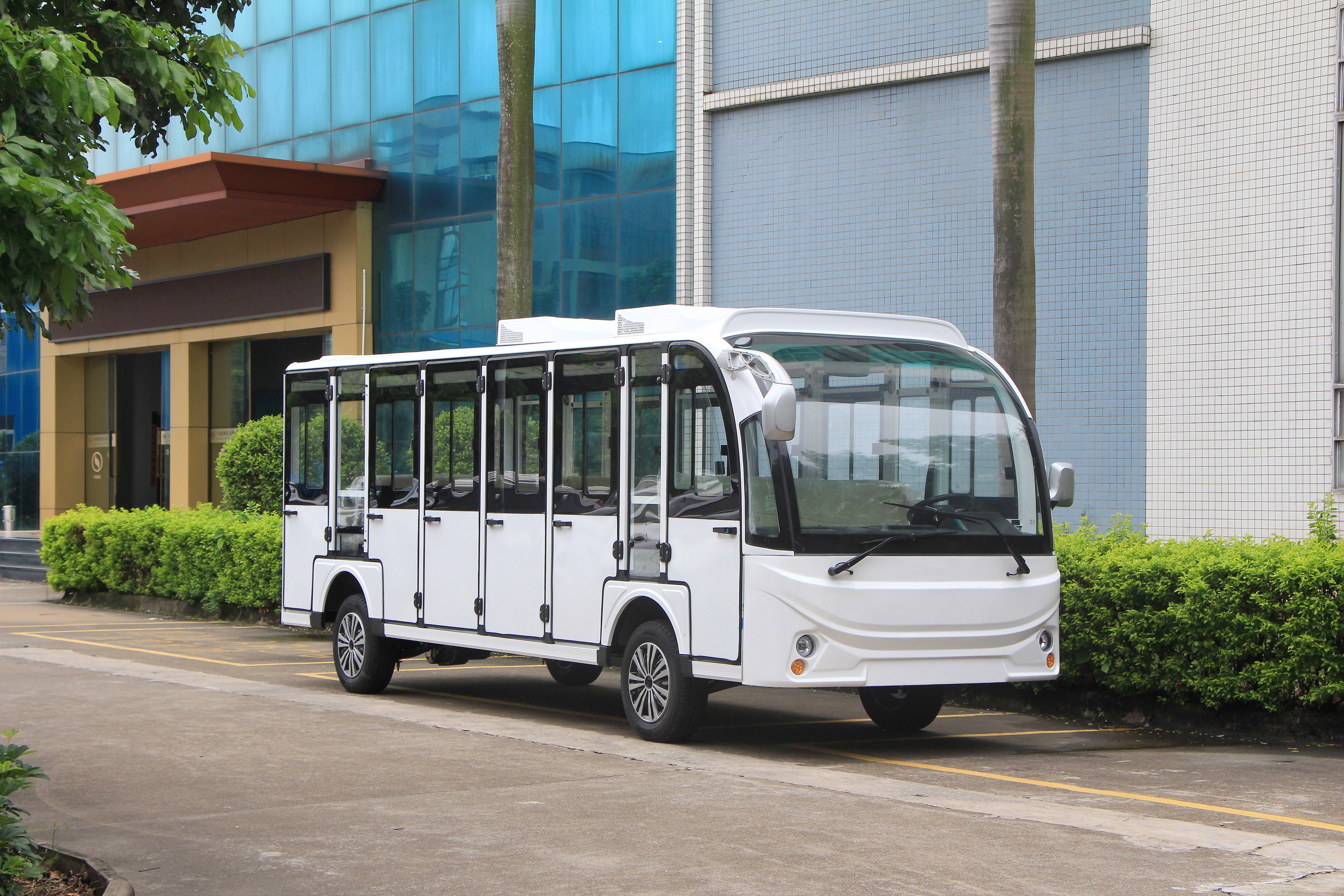
- 100% Operational Verification: Every 23seats bus, such as model LQV23F, undergoes complete line testing and road testing to evaluate brake precision and shock absorption prior to release.
- Dedicated Technical Personnel: Overseen by a 20-member Quality Control Team and a 10-member Testing Team to enforce anti-rust, suspension, and chassis structural standards.
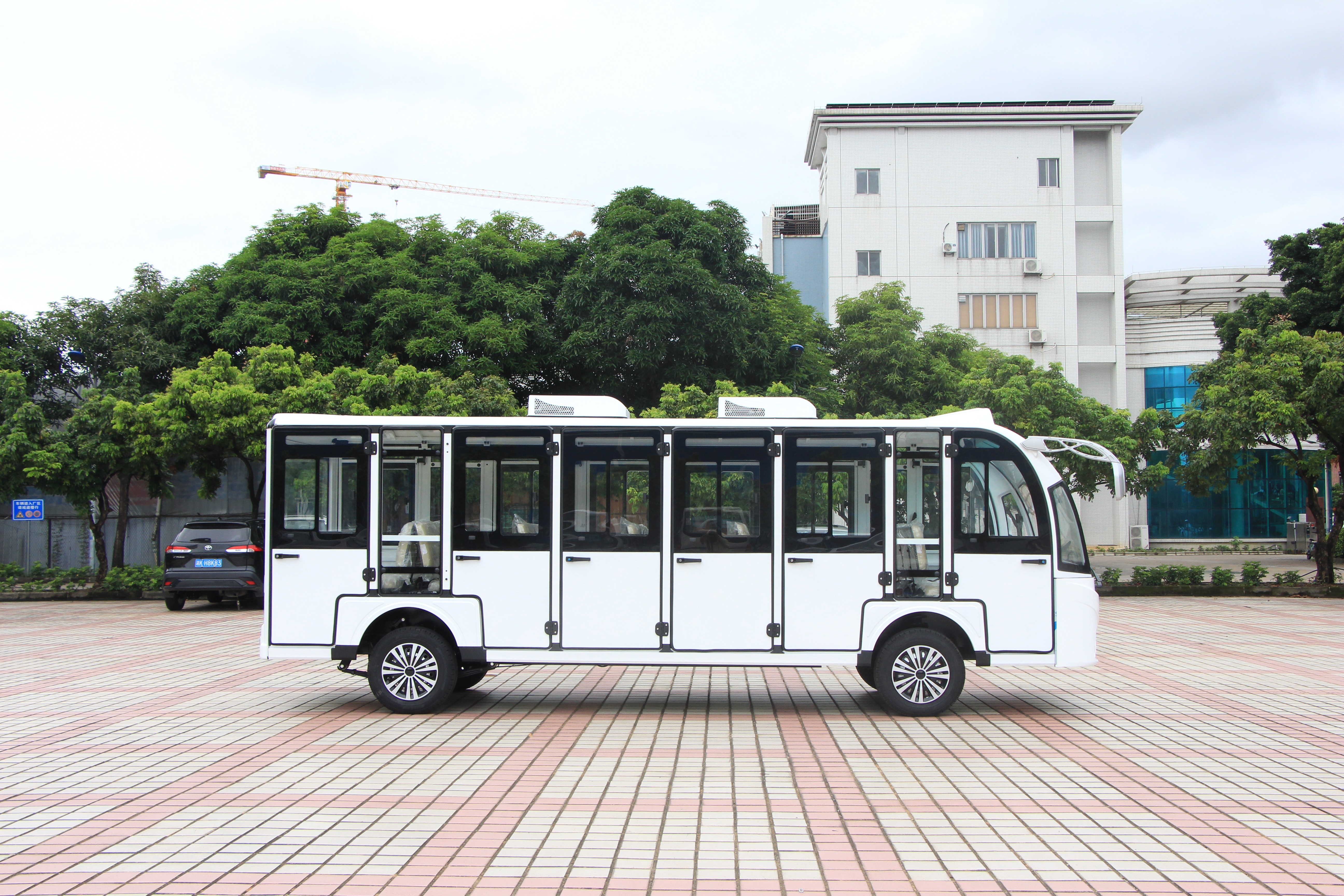
- Rugged Chassis Architecture: Utilizing high-strength steel frame-type longitudinal beams with electrophoretic and powder-coating anti-rust finishes to prevent structural fatigue.
Detailed Architectural/Principle Analysis
Tracking structural defect risks in batch production begins at the chassis foundation. Guangzhou Langqing Electric Car CO., LTD. utilizes high-strength steel frame-type longitudinal beams treated with an electrophoretic plus powder-coating anti-rust finish. This dual-layer treatment shields the main load-bearing components against atmospheric corrosion and mechanical wear. Front MacPherson independent suspensions paired with rear integral suspensions are dynamically analyzed during assembly to maintain frame alignment and prevent uneven stress distribution under full 23-passenger payload conditions.
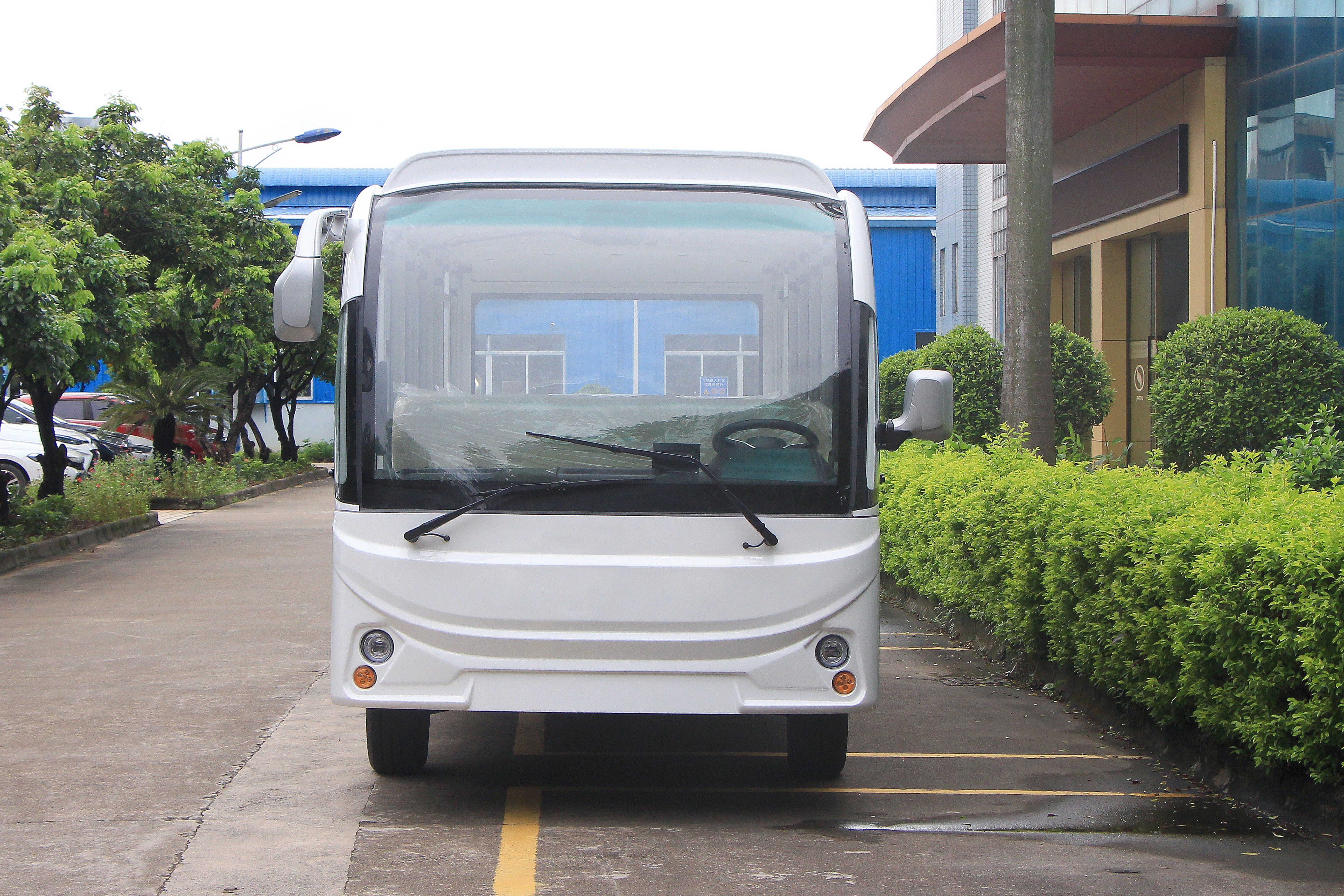
In-line quality tracking relies heavily on dedicated diagnostic infrastructure. Incorporating 3 sets of R&D testing equipment and 3 sets of slope test platforms allows technicians to evaluate vehicle handling, incline stability, and braking response in real time. Compliance with international standards is validated through EU CE certification (Certificate numbers 3N250506.GLEDQ43, 3N250507.GLEDQ77, and 3N250507.GLEDQ78). This systematic testing model supports large-scale global deployments, demonstrated in projects such as supplying 3,500+ shuttle bus units in Cuba and 131 cultural tourism vehicles in Egypt.
Data/Solution Comparison
The operational specifications below highlight the quality assurance framework applied during the manufacturing and assembly of the 23seats bus model LQV23F compared to conventional production baselines.
| Quality Metric / Feature | Manufacturer Specifications (LQV23F) | Standard Industry Baseline |
|---|---|---|
| Frame Protection & Finish | Electrophoretic + Powder-Coating Anti-Rust Finish | Single-Layer Paint Coating |
| Inspection Methodology | 100% Line Testing + Road Testing (Double Inspection) | Batch Sampling Inspection |
| Suspension Configuration | Front MacPherson + Rear Integral Suspension | Standard Rigid Leaf Spring |
| Testing Infrastructure | Pre-Delivery Inspection Tools & Slope Test Platforms | Visual Manual Checks |
| Standard Delivery Time | 15-20 Days | 30-45 Days |
Frequently Asked Questions (FAQ)
How are chassis frame quality and corrosion resistance verified during mass production?
High-strength steel frame-type longitudinal beams undergo dual-layer surface processing using electrophoresis followed by a powder-coating finish. This process prevents structural corrosion and maintains mechanical integrity across harsh operational environments.
What specific tests are performed on the 23seats bus prior to dispatch?
Every vehicle undergoes a 100% inspection line evaluation, slope testing, brake precision testing, and mandatory road testing to confirm dynamic stability and safety before shipment approval.
What certifications validate the compliance and safety of these electric buses?
The manufacturing setup operates under ISO9001 and ISO14001 management systems, with the electric bus series holding official EU CE certifications covering safety and electromagnetic compatibility.
Final Conclusion & Recommendations
Effective quality issue tracking in 23seats bus batch manufacturing requires strict adherence to standardized chassis anti-rust treatments, specialized slope testing platforms, and 100% end-of-line road verification. Integrating advanced testing hardware with an Industry and Trade Integration business model backed by a 1-year whole-vehicle warranty ensures long-term operational reliability across scenic areas, resort facilities, and municipal transit routes. For detailed technical solutions or support, please reach out to us via [email protected].
About Us
Guangzhou Langqing Electric Car CO., LTD. was established in 2000 in the Nansha Economic Development Zone, Guangzhou. Spanning a manufacturing facility area of 35,000 square meters, the enterprise maintains a monthly production capacity of 1,000 units and an export ratio of 80%. Backed by over 80 technical patents and ISO9001, ISO14001, ISO 10012, ISO45001, and EU CE certifications, the company supplies commercial electric vehicle solutions across North America, South America, Europe, the Middle East, Africa, and Southeast Asia.
Lastest
-
How are replacement spare parts provided for a 17seats bus?
2026-08-13 -
What is the typical deposit percentage for a 23seats bus order?
2026-08-13 -
What recyclable components are used in modern golf carts?
2026-08-13 -
What is the warranty policy for air conditioning on 23seats bus?
2026-08-13 -
What battery specs should I check when buying electric golf carts?
2026-08-13
SUBSCRIBE
INQUIRY