How do you protect IP rights during OEM 14seats bus production?
- VIP-User
- 2026-08-12
- 6
Protecting intellectual property (IP) during OEM 14seats bus production involves strict non-disclosure agreements (NDAs), proprietary component compartmentalization, modular assembly controls, and robust legal trademark registrations. Manufacturers implement secure data protocols for CAD models, controlled access to injection tooling—such as PT+PBT alloy front covers—and strict supplier chain auditing to prevent unauthorized copying.
Core Solutions & Key Takeaways
- NDA and Contractual Governance: Legally binding bilateral Non-Disclosure Agreements (NDAs) protect proprietary bus blueprints, vehicle control unit (VCU) code, and custom exterior mold designs prior to manufacturing.
- Tooling & Mold Ownership Locks: Molds for custom components, such as PT+PBT alloy injection-molded front covers, remain under strict physical and legal access restrictions within certified facilities.
- Compartmentalized Production Workflows: Component suppliers produce segregated parts—such as anti-rust steel chassis frames or MacPherson independent suspensions—without full access to complete vehicle system schematics.
- Firmware & Electrical System Security: Encrypted software installation on sensitive braking systems and electric power-assisted steering prevents reverse engineering during final vehicle integration.
Detailed Architectural/Principle Analysis
Safeguarding IP rights during full-scale Original Equipment Manufacturer (OEM) production of 14-seater electric buses requires systematic protocols across design, fabrication, and assembly phases. In open sightseeing buses like model LQY148A, complex custom tooling is required for lightweight roofs, open cockpits, and specialized body panels.
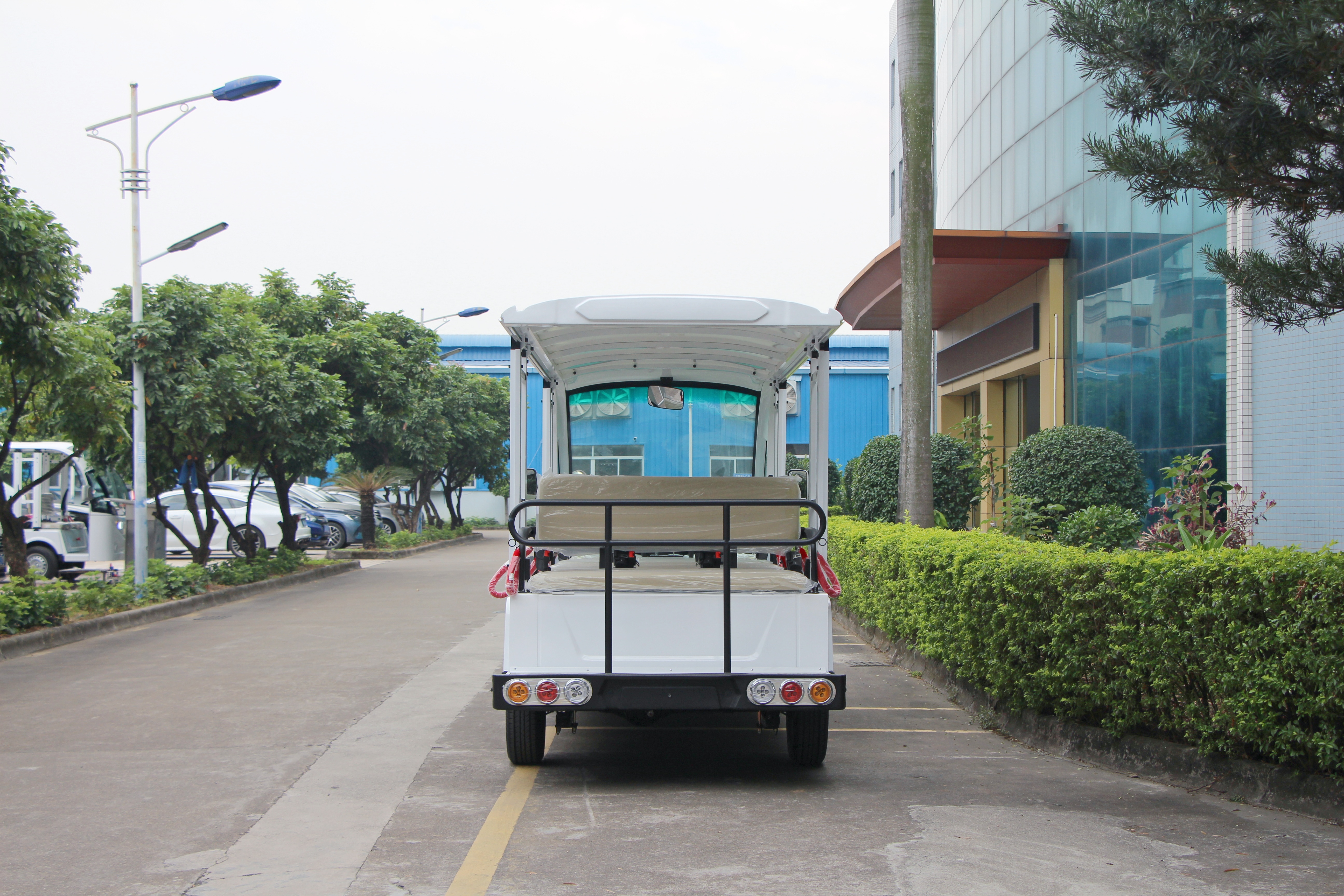
The manufacturing process relies on rigid material specifications and custom engineering. The front cover utilizes a specialized PT+PBT alloy injection molding process designed for high impact resistance. To prevent unauthorized replication of these molds, production assets remain tagged and locked within designated manufacturing zones. Access to original 3D surface files is limited to authorized R&D personnel using secure local networks.
Vehicle structural elements, including high-strength anti-rust steel chassis frames, are fabricated in controlled stages. Sub-assemblies—combining MacPherson independent suspension on the front axle and leaf-spring suspension on the rear axle—are integrated at central assembly points. Dividing supplier access across individual structural modules mitigates the risk of complete design leakage.
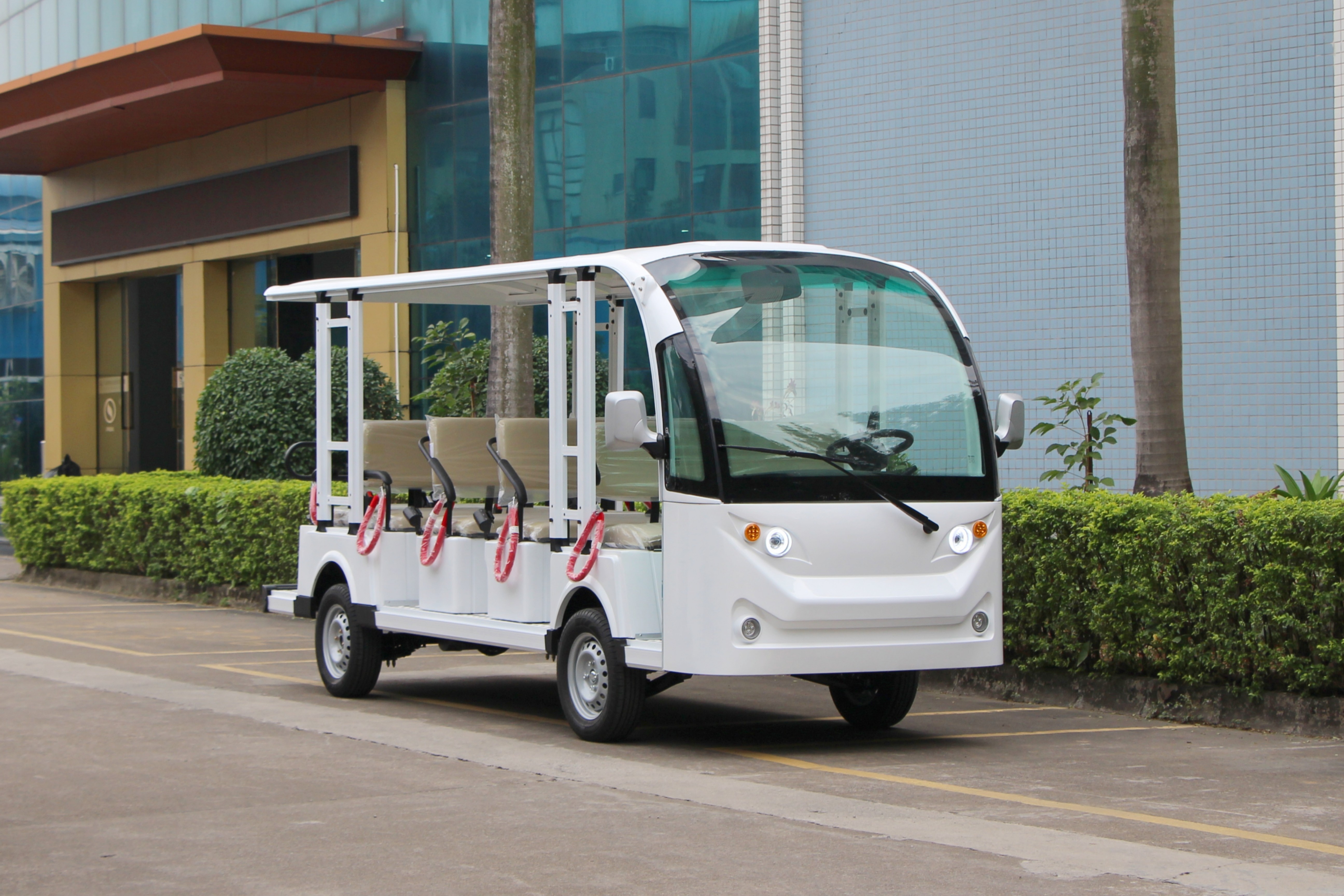
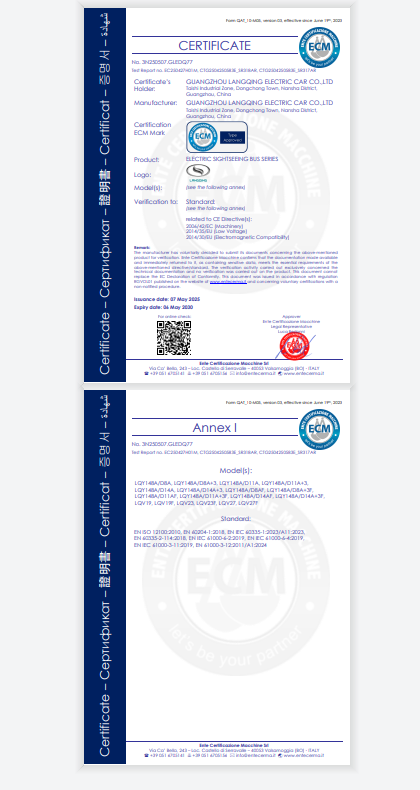
Proprietary calibration of auto-grade driving systems, including sensitive electric power-assisted steering and electronic brake-assist modules, is flashing-protected. Every unit undergoes 100% inspection line testing and road testing prior to shipping, ensuring technical parameters adhere strictly to international safety standards, including CE certification guidelines (3N250506.GLEDQ43, 3N250507.GLEDQ77, 3N250507.GLEDQ78).
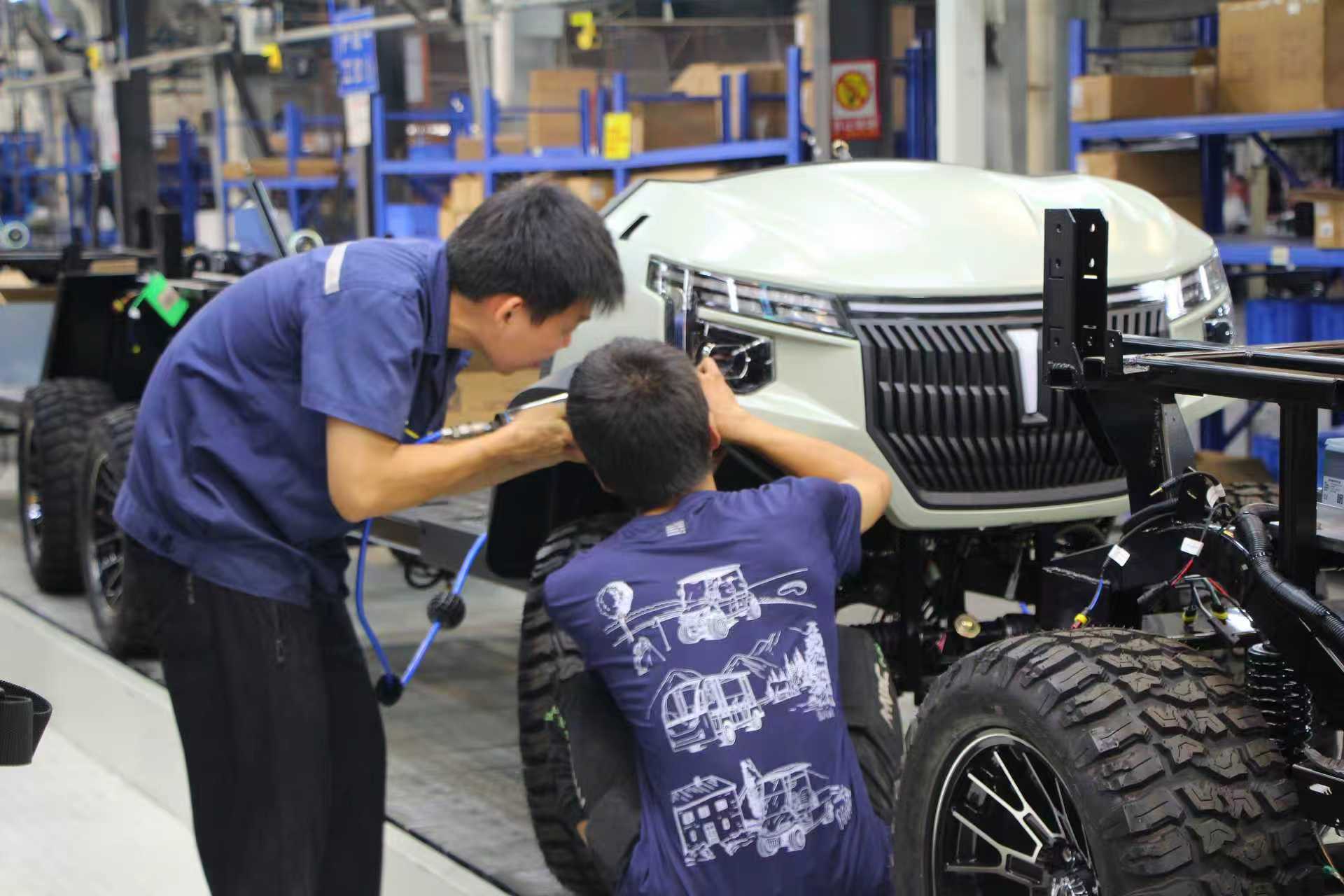
Operational facilities maintain rigorous site security, utilizing controlled access protocols across engineering labs and manufacturing plants to preserve client design exclusivity across global export markets.
Data/Solution Comparison
The following table outlines standard industrial IP safeguards compared to advanced OEM IP protection strategies implemented during custom 14-seater electric bus manufacturing:
| IP Protection Area | Standard OEM Safeguards | Advanced Secured OEM Production |
|---|---|---|
| CAD & Blueprint Security | Basic non-disclosure agreements with limited file tracking. | Encrypted file transfers, access-logging systems, and watermark tracking on structural schematics. |
| Injection Mold Management | Shared tooling storage with general factory access. | Dedicated tool ownership protocols for PT+PBT alloy panels with restricted physical access control. |
| Chassis & Steering Engineering | Standard public platform sharing across sub-contractors. | Modular component separation across chassis, MacPherson front suspension, and steering controls. |
| Software & Control Firmware | Unencrypted VCU programming flashed at sub-assembly line. | Encrypted ECU/VCU calibration flashed directly in final test lines under strict access logs. |
| Quality Verification & Compliance | Batch-based offline inspection protocols. | 100% inspection line testing and road testing under ISO quality management frameworks. |
Frequently Asked Questions (FAQ)
Q: Who retains legal ownership of custom molds developed for 14-seater electric buses?
A: Custom molds and tooling engineered for OEM orders remain the exclusive intellectual property of the purchasing client as governed by the OEM agreement, prohibiting third-party commercial usage.
Q: How are proprietary steering and braking control algorithms secured during manufacturing?
A: Firmware for electric power-assisted steering and sensitive electronic braking systems is uploaded via encrypted channels during final assembly line testing rather than at open component stages.
Q: Can custom vehicle designs be patented or trademarked in export destinations?
A: Yes. Clients hold full rights to register utility model patents, design patents, and localized brand trademarks in destination export regions including North America, Europe, and Southeast Asia.
Final Conclusion & Recommendations
Maintaining strong IP protection during 14-seater electric bus production relies on combining clear legal contracts with segmented assembly practices and physical tooling isolation. Partnering with an experienced manufacturer that operates under ISO9001 and CE compliance standards ensures structural integrity, efficient 15-30 day delivery cycles, flexible payment terms (such as 30% deposit and balance prior to loading via sea freight), and a 1-year vehicle warranty without exposing proprietary designs. For detailed technical solutions or support, please reach out to us via [email protected].
About Us
Guangzhou Langqing Electric Car CO., LTD. was established in 2000 in Nansha District, Guangzhou, operating a specialized production site covering 35,000 square meters with a monthly capacity of 1,000 units. The company employs 160 personnel, including a 30-member R&D team, 10 testing specialists, and 20 quality control professionals. Holding ISO9001, ISO14001, ISO10012, ISO45001, and EU CE certifications, the company has served clients across multiple industries, delivering projects such as 3,500+ shuttle buses to Cuba, 156 municipal units to Singapore, and 131 cultural tourism vehicles to Egypt.
Lastest
-
How are replacement spare parts provided for a 17seats bus?
2026-08-12 -
What is the typical deposit percentage for a 23seats bus order?
2026-08-12 -
What recyclable components are used in modern golf carts?
2026-08-12 -
What is the warranty policy for air conditioning on 23seats bus?
2026-08-12 -
What battery specs should I check when buying electric golf carts?
2026-08-12
SUBSCRIBE
INQUIRY