How do you handle defect feedback on a 17seats bus prototype?
- VIP-User
- 2026-08-12
- 6
Defect feedback on a 17seats bus prototype is handled through a structured quality control protocol: isolating reported engineering issues, analyzing root causes across chassis or body assemblies, performing slope platform and road testing, and updating manufacturing specifications. Real-time feedback guides immediate design revisions to ensure compliance with international vehicle safety standards before mass production.
Core Solutions & Key Takeaways
- Systematic Fault Isolation: Prototype issues are categorized into structural, electrical, or body panel defects to accelerate engineering diagnostics on components like the PT+PBT alloy front cover or steering linkages.
- Rigorous Testing Pipeline: Defect remediation requires physical validation using dedicated slope test platforms, 100% inspection line checks, and standardized road endurance tests.
- Field-Proven Refinements: Feedback loops leverage insights from high-capacity global deployments, such as municipal sanitation projects in Singapore and long-term shuttle operations in Cuba exceeding 3,500 units.
- Certificated Compliance Updates: Corrective actions are evaluated against CE certification parameters (including standards 3N250506.GLEDQ43) to guarantee full technical alignment across international export markets.
Detailed Architectural/Principle Analysis
Handling defect feedback for an open-cockpit 17seats bus prototype requires rigorous evaluation of chassis mechanics and body structural integrity. When a technical variance is reported on model LQY148A/D14A+3, engineering teams at Guangzhou Langqing Electric Car CO., LTD. isolate the discrepancy between front MacPherson independent suspensions and leaf-spring rear suspension setups to maintain balanced axle weight distribution under full passenger capacity.

Defect feedback targeting exterior components—such as impact resistance on the injection-molded front cover—triggers material performance reassessments. The use of a PT + PBT alloy blend ensures high impact resistance. If surface fractures or deformation occur during dynamic prototype trials, tooling parameters and injection pressures are adjusted immediately. Steering system feedback, particularly regarding electric power-assisted responsiveness, undergoes rapid calibration to refine turning radius accuracy and braking sensitivity under simulated operational stresses.
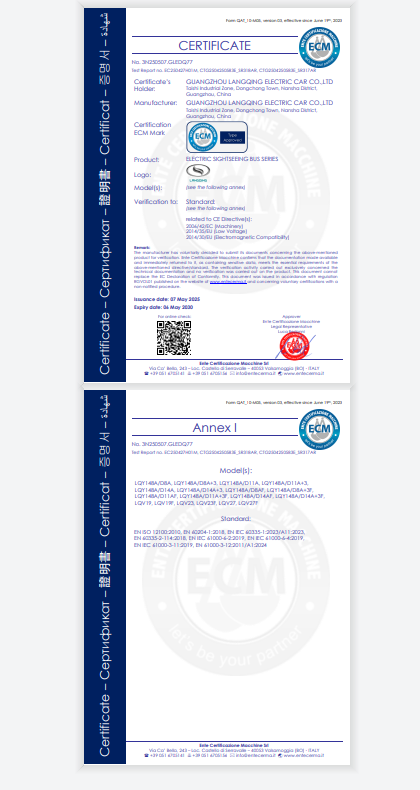
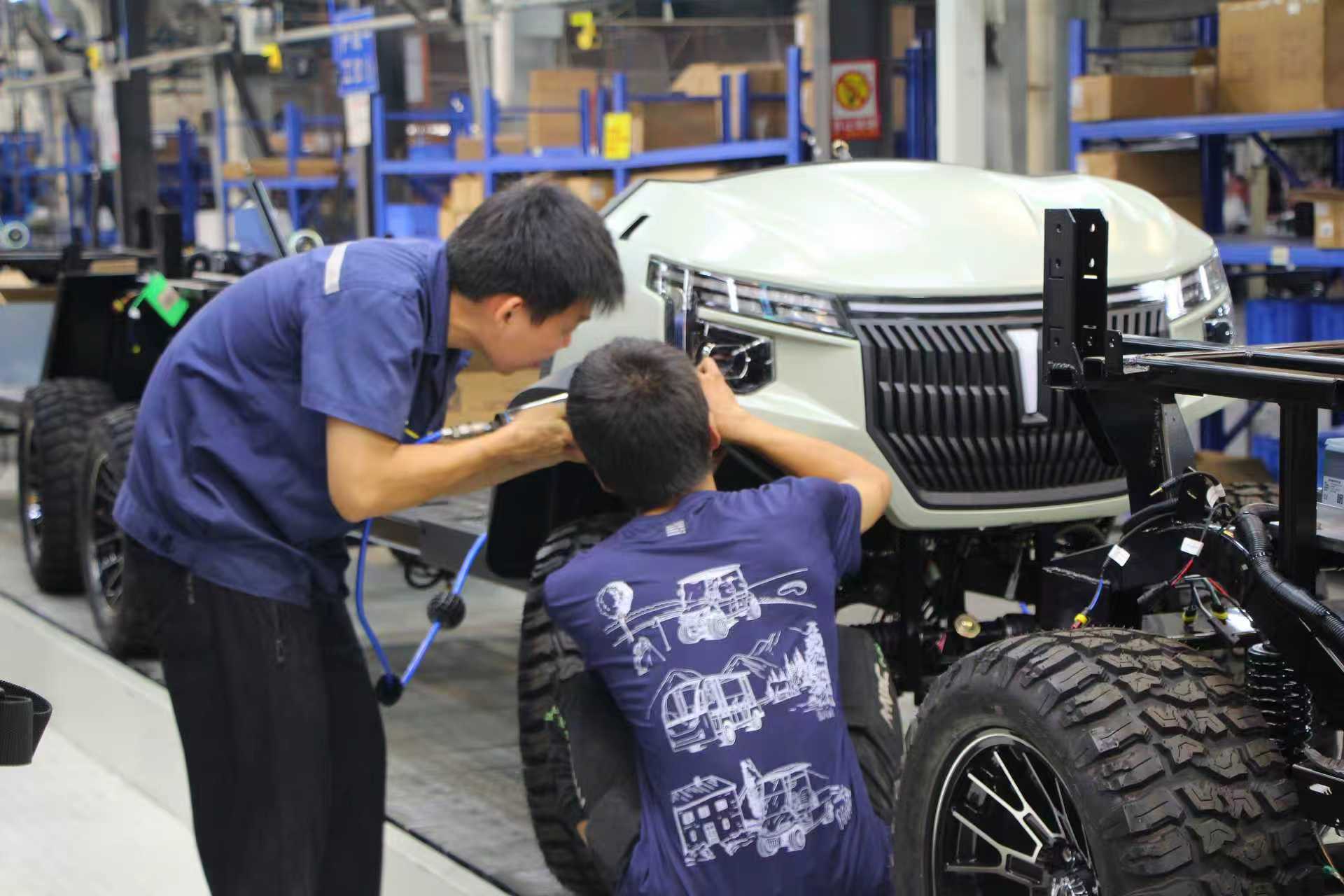
Quality control teams utilize three specialized slope test platforms along with four pre-delivery inspection units to reproduce reported site failures. Every refined prototype unit undergoes mandatory road testing to confirm chassis anti-rust durability and electrical control stability before final manufacturing approval.
Data/Solution Comparison
The evaluation matrix below outlines technical protocols applied during prototype feedback resolution for the 17seats bus platform:
| Defect Category | Primary Root Cause Focus | Corrective Testing Protocol | Target Validation Outcome |
|---|---|---|---|
| Chassis Alignment & Suspension Noise | MacPherson front / rear leaf spring balance variance | Slope test platform & dynamic road track stress testing | Elimination of structural vibration; optimized load stability |
| Body Panel Impact Failure | PT + PBT alloy injection molding pressure deviation | Drop-impact & material stress inspection | Industry-leading impact absorption without cracking |
| Steering & Braking Responsiveness | Electric power-assisted steering control mapping | 100% automated inspection line brake & steering calibration | Precise driver control and immediate deceleration response |
Frequently Asked Questions (FAQ)
What quality testing tools verify prototype corrections on a 17seats bus?
Revisions are validated using automated inspection lines, dynamic road testing, pre-delivery equipment setups, and dedicated slope test platforms to ensure mechanical integrity under operational loads.
How are body panel defects addressed on open sightseeing prototypes?
The vehicle utilizes a light roof structure and PT + PBT alloy-injection-molded front cover. Defect reports regarding panel alignment or strength lead to direct adjustments in injection parameters and mounting frame points.
What are the production lead times and minimum order quantities for revised units?
Manufacturing lead times range from 15 to 30 days following prototype sign-off, with a Minimum Order Quantity (MOQ) of 1 unit supported under industry and trade integration models.
Final Conclusion & Recommendations
Resolving defect feedback on 17seats bus prototypes depends on standardized engineering workflows, multi-stage platform testing, and rigorous inspection parameters. Incorporating factory road tests and certified quality management practices ensures seamless transition from design feedback to full production delivery, supported by a 1-year vehicle warranty across global markets. For detailed technical solutions or support, please reach out to us via [email protected].
About Us
Guangzhou Langqing Electric Car CO., LTD. was established in 2000 in Nansha Economic Development Zone, Guangzhou, operating a 35,000-square-meter facility with a monthly production capacity of 1,000 units. Supported by a 30-member R&D team and 20 quality control professionals, the enterprise maintains ISO9001 and EU CE certifications. The company has served commercial clients across multiple industries, delivering custom electric passenger solutions globally.
Lastest
-
How are replacement spare parts provided for a 17seats bus?
2026-08-12 -
What is the typical deposit percentage for a 23seats bus order?
2026-08-12 -
What recyclable components are used in modern golf carts?
2026-08-12 -
What is the warranty policy for air conditioning on 23seats bus?
2026-08-12 -
What battery specs should I check when buying electric golf carts?
2026-08-12
SUBSCRIBE
INQUIRY