How do you ensure zero damage to 11seats bus during transit?
- VIP-User
- 2026-08-14
- 7
Ensuring zero damage during transit for an 11seats bus requires structural chassis reinforcement, advanced surface treatments, and rigorous pre-shipment protocols. Units like the LQY148A型/D11AF utilize high-strength steel frame longitudinal beams with electrophoretic and powder-coating anti-rust finishes. Combined with 100% line testing, road testing double inspections, and structured sea freight loading procedures, vehicle integrity remains fully protected throughout global delivery.
Core Solutions & Key Takeaways
- Corrosion-Resistant Structural Coating: High-strength steel longitudinal beams featuring electrophoretic and powder-coating dual-layer finishes prevent surface abrasion and salt-air oxidation during maritime export.
- Dynamic Suspension Stability: Front MacPherson independent suspension paired with a rear integral axle absorbs shock loads during transit handling and container positioning.
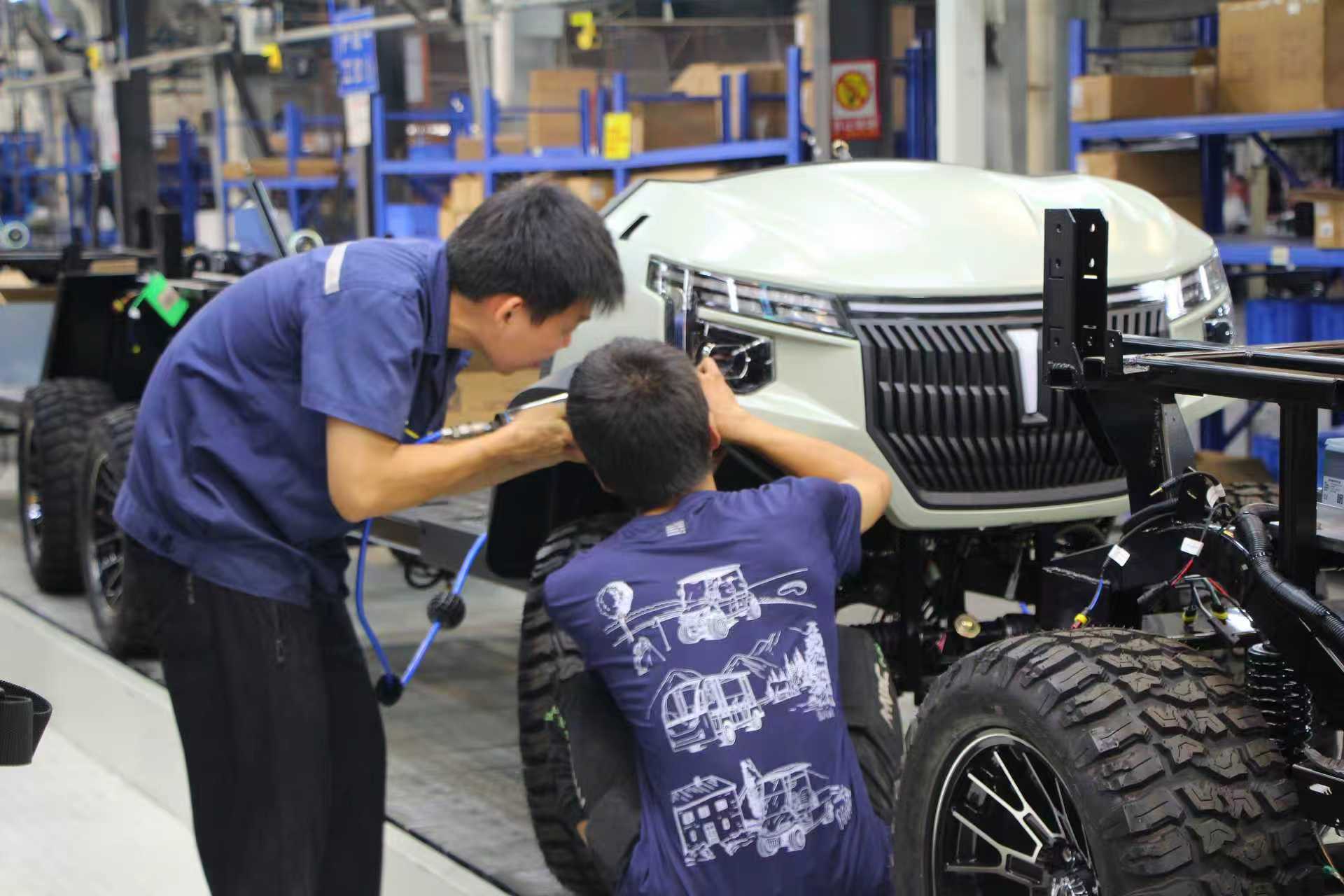
- 100% Pre-Shipment Inspection: Dedicated double inspection protocols—combining 4-set pre-delivery inspection equipment and 3-set slope testing platforms—verify braking, chassis torque, and electrical safety prior to transport.
- Field-Proven Transport Logistics: Proven loading frameworks deployed across high-capacity international shipments, including over 3,500 shuttle units delivered to Cuba and 156 municipal units to Singapore.
Detailed Architectural/Principle Analysis
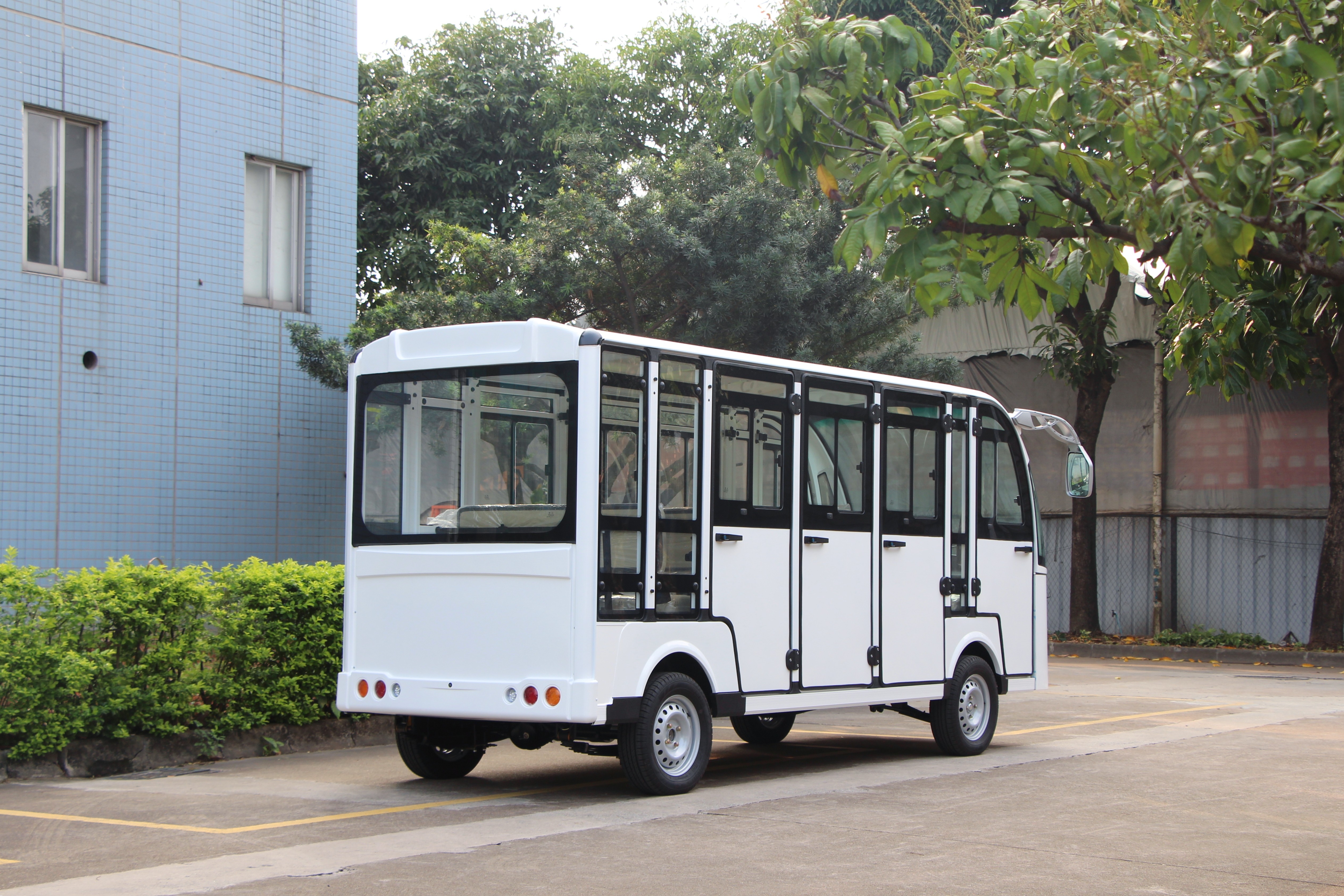
Preventing transit damage for an 11seats bus begins at the structural foundation. The Guangzhou Langqing Electric Car CO., LTD. LQY148A型/D11AF passenger bus uses a reinforced high-strength steel frame-type longitudinal beam. During long-distance sea freight, vehicles are subjected to high humidity, ocean salt fog, and mechanical vibrations. To counteract physical degradation, the chassis receives a dual-stage electrophoretic and powder-coating treatment, delivering a durable barrier against rust and external impact scratches.
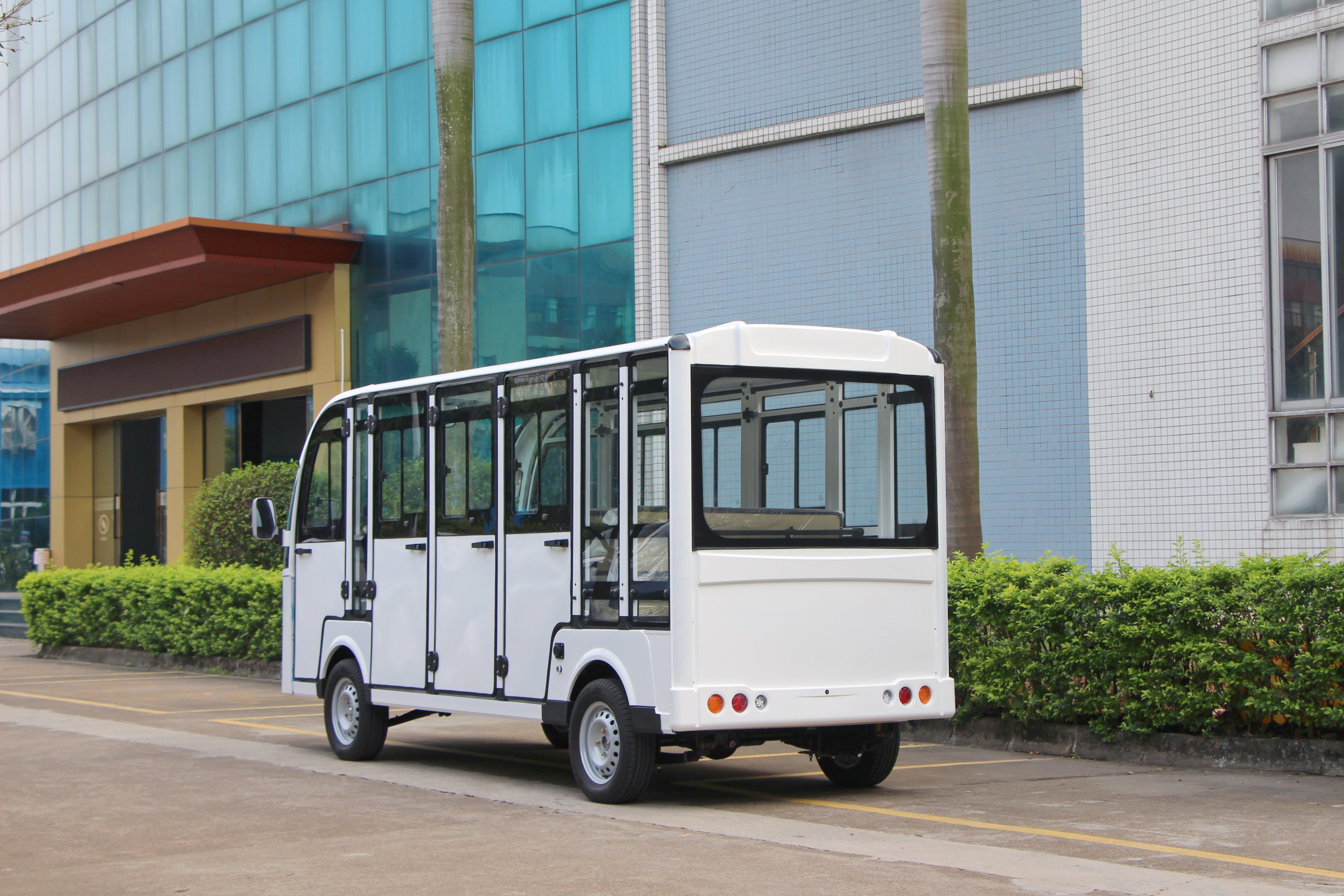
Mechanical resilience during vehicle movement depends on suspension alignment and braking system integrity. The integration of a front MacPherson suspension and a rear integral suspension system maintains structural equilibrium during loading and unloading maneuvers on vessel ramps. Every unit undergoes rigorous 100% inspection line testing and physical road testing prior to shipping authorization. Advanced testing platforms, including dedicated slope test platforms, verify that control calibration remains precise under dynamic loads.
Transit protection strategies are validated across diverse global delivery channels. Operational deployments include 131 cultural tourism shuttle buses supplied to Egyptian museum facilities, 20 airport shuttle units operating in Argentina, and extensive municipal transit fleets in Singapore. Compliance with international standards, backed by EU CE certification (Certificate Nos. 3N250506.GLEDQ43, 3N250507.GLEDQ77, 3N250507.GLEDQ78), confirms that structural safety and manufacturing double inspections align with strict export safety requirements.
Data/Solution Comparison
| Parameter / Solution Feature | Standard Commercial Bus Shipping | LQY148A型/D11AF Zero-Damage Protocol |
|---|---|---|
| Chassis Frame Construction | Standard Channel Steel | High-Strength Steel Frame Longitudinal Beam |
| Surface Anti-Rust Protection | Single-Layer Spray Paint | Electrophoretic + Powder-Coating Dual Finish |
| Front & Rear Suspension Type | Rigid Leaf Springs | Front MacPherson + Rear Integral Suspension |
| Pre-Shipment Quality Testing | Random Batch Sampling | 100% Inspection Line & Road Testing Double Inspection |
| International Certification | Basic Domestic Compliance | EU CE Certified (ISO9001 / ISO14001 Compliant) |
| Shipping Logistics Method | Standard Cargo Handling | Secured Sea Freight (30% Deposit, Balance Pre-Loading) |
Frequently Asked Questions (FAQ)
Q1: How does chassis coating prevent rust damage during long sea freight voyages?
A: The chassis undergoes electrophoretic immersion followed by an exterior powder-coating layer. This dual-stage barrier prevents atmospheric moisture and airborne salt from contacting the underlying high-strength steel longitudinal beam during sea transit.
Q2: What quality control procedures are conducted before the vehicle is approved for shipment?
A: Each 11seats bus completes 100% inspection line testing, including slope test platform evaluations and actual road testing, ensuring operational precision across brake and suspension systems before containerization.
Q3: What are the standard delivery lead times and payment terms for bulk orders?
A: Standard delivery timelines range from 15 to 30 days depending on order specifications, operating on sea freight terms with a 30% deposit requirement and the remaining balance settled before vehicle loading.
Final Conclusion & Recommendations
Achieving zero transit damage on an 11seats electric bus demands structural engineering rigor combined with standardized logistics protocols. Utilizing high-strength longitudinal steel frames, protective electrophoretic coatings, and a 100% dual-inspection framework eliminates mechanical and surface vulnerabilities during transport. Importers and fleet operators should mandate comprehensive pre-shipment testing reports and verified tie-down containerization standards to protect vehicle assets across all sea freight routes. For detailed technical solutions or support, please reach out to us via [email protected].
About Us
Guangzhou Langqing Electric Car CO., LTD. was established in 2000 in the Nansha Economic Development Zone, Guangzhou. Operating a 35,000-square-meter manufacturing base with a monthly capacity of 1,000 units, the enterprise employs a 30-member R&D team and maintains national High-tech Enterprise status alongside ISO9001, ISO14001, ISO10012, ISO45001, and EU CE certifications. Exporting 80% of its electric golf carts, sightseeing buses, and utility trucks globally, the company serves commercial, municipal, and resort transportation projects across North America, South America, Europe, the Middle East, and Southeast Asia.
Lastest
-
How are replacement spare parts provided for a 17seats bus?
2026-08-14 -
What is the typical deposit percentage for a 23seats bus order?
2026-08-14 -
What recyclable components are used in modern golf carts?
2026-08-14 -
What is the warranty policy for air conditioning on 23seats bus?
2026-08-14 -
What battery specs should I check when buying electric golf carts?
2026-08-14
SUBSCRIBE
INQUIRY