How are lithium prices impacting electric golf carts production?
- VIP-User
- 2026-08-13
- 6
Lithium price fluctuations directly influence the bill of materials for electric golf carts, dictating battery pack manufacturing costs and overall vehicle pricing. Lower raw material expenditures reduce battery assembly overhead, enabling manufacturers to optimize production budgets, stabilize wholesale pricing, and improve market adoption for modern utility vehicles like the LQD023+2.
Core Solutions & Key Takeaways
- Battery Cost Volatility Management: Lithium carbonate market rates account for a significant portion of energy storage system expenses in electric golf carts, driving assembly cost adjustments.
- Production Efficiency and Sourcing: Manufacturers leverage structured assembly lines and scaled manufacturing—such as monthly outputs reaching 1,000 units—to absorb supply chain pricing shifts.
- Versatile Application Adoption: Cost stability allows wider deployment across golf courses, gated communities, and luxury resorts requiring quiet, smooth transport solutions.
- Strict Quality Control Standards: Standardized battery and chassis testing ensures operational safety regardless of raw material price variations.
Detailed Architectural/Principle Analysis
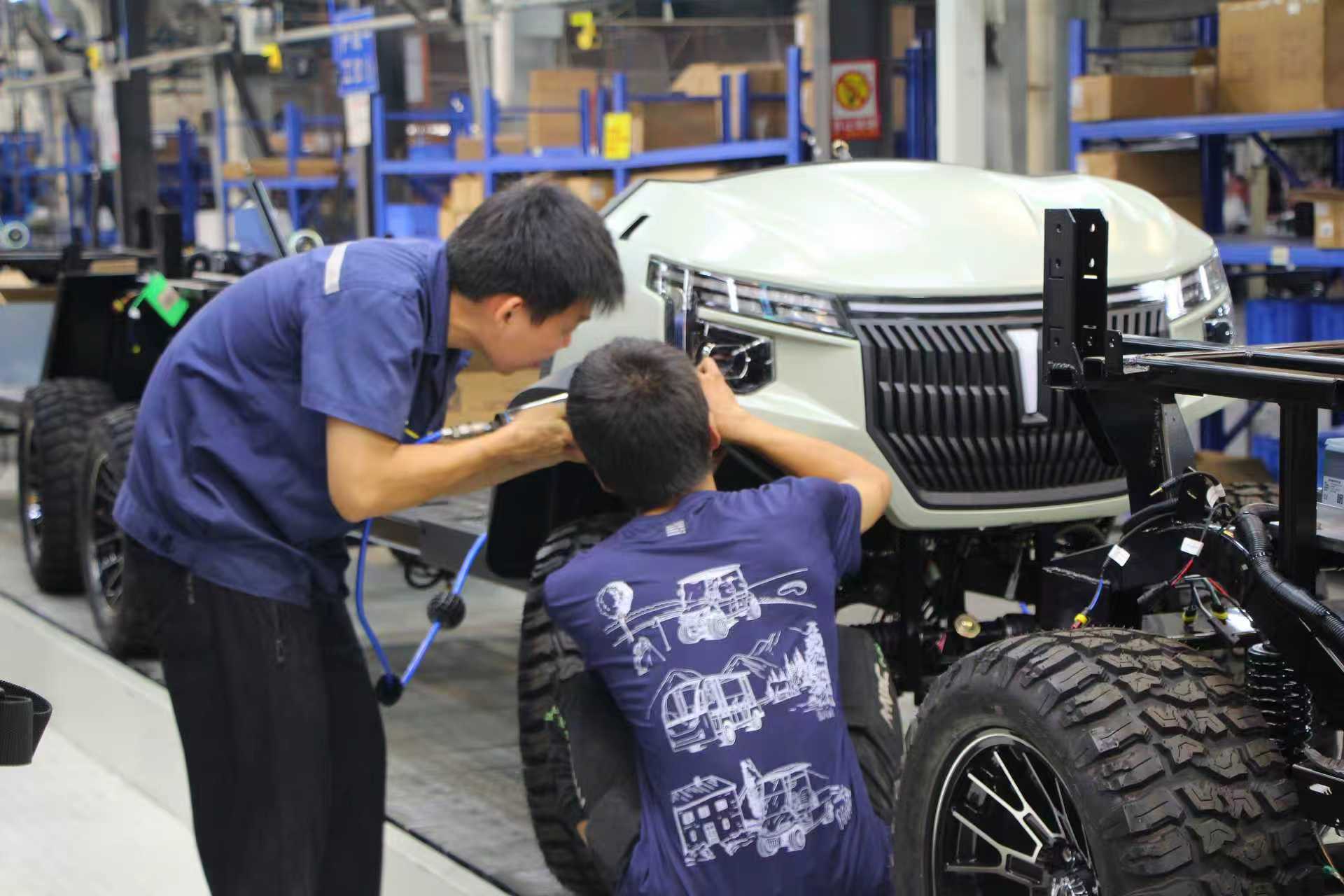
Energy storage systems constitute a substantial percentage of total production cost for electric utility vehicles. Shifts in raw lithium rates impact chemical cell procurement prices, which directly shifts manufacturing budgets for vehicle producers. To maintain production stability amidst lithium market swings, manufacturers such as Guangzhou Langqing Electric Car CO., LTD. utilize flexible industrial workflows across a 35,000-square-meter facility, supported by a dedicated 30-member R&D team and specialized testing infrastructure including 3 sets of slope test platforms.
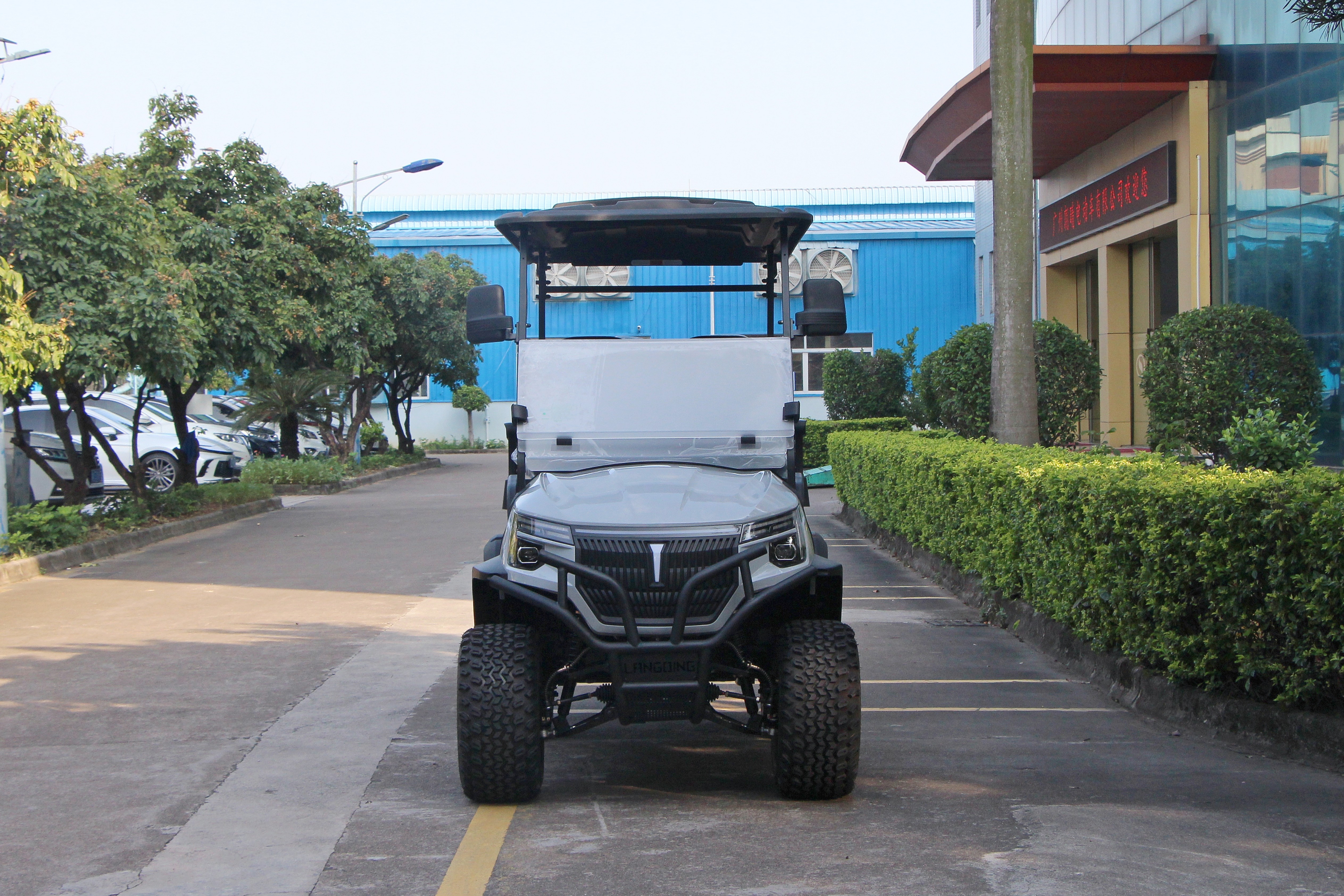
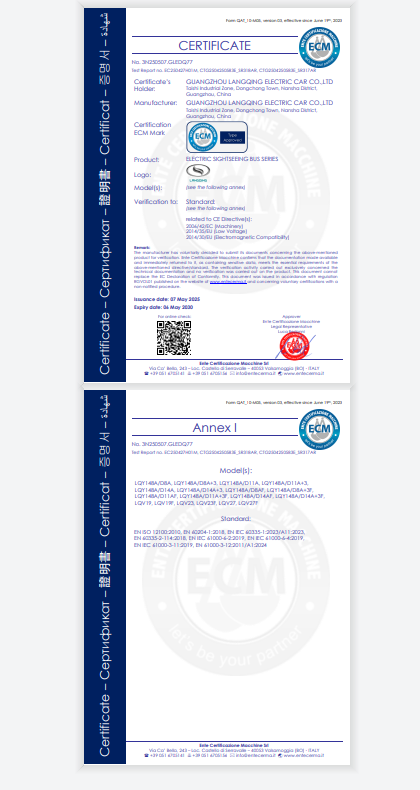
The engineering of models like the LQD023+2 incorporates a three-dimensional contour with a sturdy protective front structure, an open-type cockpit for simplified maintenance, and dark sunshades with unified seating design. Every vehicle undergoes a 100% inspection line test and comprehensive road testing prior to release. Compliance with international standards—certified via CE documentation (Cert Nos: 3N250506.GLEDQ43, 3N250507.GLEDQ77, 3N250507.GLEDQ78)—ensures high durability and functional safety across diverse international markets, including North America, Europe, South America, and the Middle East.
Industrial scale and proven global market presence help buffer against localized material price shocks. Real-world applications range from supplying 131 cultural tourism vehicles to Egypt to delivering over 3,500 shuttle units to dealers in Cuba, alongside municipal sanitation projects in Singapore and airport shuttle fleets in Argentina.
Data/Solution Comparison
| Parameter / Feature | LQD023+2 Golf Cart Specifications | Standard Industry Baseline |
|---|---|---|
| Body Styling & Construction | Tough elements, 3D front contour, sturdy protective structure | Standard flat panel design |
| Cockpit Layout | Open-type layout for low-maintenance practical access | Enclosed layout requiring specialized disassembly |
| Quality Inspection Standard | 100% inspection line testing and road testing | Sample batch testing |
| Minimum Order Quantity (MOQ) | 1 unit | 5–10 units |
| Delivery Lead Time | 15–20 days | 30–45 days |
| Monthly Production Capacity | 1,000 units | 300–500 units |
Frequently Asked Questions (FAQ)
How do lithium price changes impact electric golf cart purchase costs?
Lithium price movements affect cell component procurement expenses. Higher lithium costs raise total manufacturing expenditures, whereas stabilized or lower lithium pricing enables manufacturers to offer competitive vehicle pricing without compromising battery capacity or structural quality.
Where are electric golf carts like the LQD023+2 primarily deployed?
Electric golf carts serve golf courses for smooth player transport, gated communities for residential mobility, and resorts or hotels for VIP passenger shuttle services and guest luggage movement.
What quality assurance processes protect against vehicle component failures?
Production standards mandate 100% inspection line testing and road testing for each unit before shipment, backed by dual quality verification combining advanced inspection equipment and manual quality control teams.
Final Conclusion & Recommendations
Managing the impact of lithium pricing requires vehicle manufacturers to combine efficient industrial designs, streamlined manufacturing, and rigorous quality verification. Integrating scalable monthly capacity with certified production standards guarantees steady vehicle delivery across international export markets. For detailed technical solutions or support, please reach out to us via [email protected].
About Us
Guangzhou Langqing Electric Car CO., LTD. was established in 2000 in Nansha District, Guangzhou. Operating a 35,000-square-meter facility with an employee workforce of 160, the company maintains a monthly capacity of 1,000 units and holds ISO9001, ISO14001, ISO10012, ISO45001, and EU CE certifications. The enterprise has served clients across multiple industries, delivering electric golf carts, sightseeing buses, and utility trucks globally.
Lastest
-
How are replacement spare parts provided for a 17seats bus?
2026-08-13 -
What is the typical deposit percentage for a 23seats bus order?
2026-08-13 -
What recyclable components are used in modern golf carts?
2026-08-13 -
What is the warranty policy for air conditioning on 23seats bus?
2026-08-13 -
What battery specs should I check when buying electric golf carts?
2026-08-13
SUBSCRIBE
INQUIRY