Do suppliers offer tiered pricing for bulk electric golf carts?
- VIP-User
- 2026-08-12
- 8
Electric vehicle manufacturers and commercial suppliers routinely provide tiered pricing for bulk electric golf carts, lowering the unit price as order quantities increase. Tiered cost structures reflect economies of scale in component sourcing, assembly line setup, and sea freight container utilization, enabling commercial buyers, municipal entities, and dealers to maximize ROI on fleet acquisitions.
Core Solutions & Key Takeaways
- Scalable Order Tiers: Wholesalers offer flexible pricing structures starting from a minimum order quantity (MOQ) of 1 unit up to full container loads (FCL) for large commercial projects.
- Production Efficiency: Bulk manufacturing optimizes raw material utilization, lowering per-unit production costs on high-strength composite bodies and electrophoretic metal chassis.
- Versatile Application Fleets: Tiered purchasing plans benefit buyers equipping golf courses, gated communities, luxury hotel resorts, and municipal sanitation or tourist shuttle operations.
- Comprehensive Support: Tiered orders maintain rigorous quality assurance, backed by full 100% inspection line testing and standard 1-year whole-vehicle warranties.
Detailed Architectural/Principle Analysis
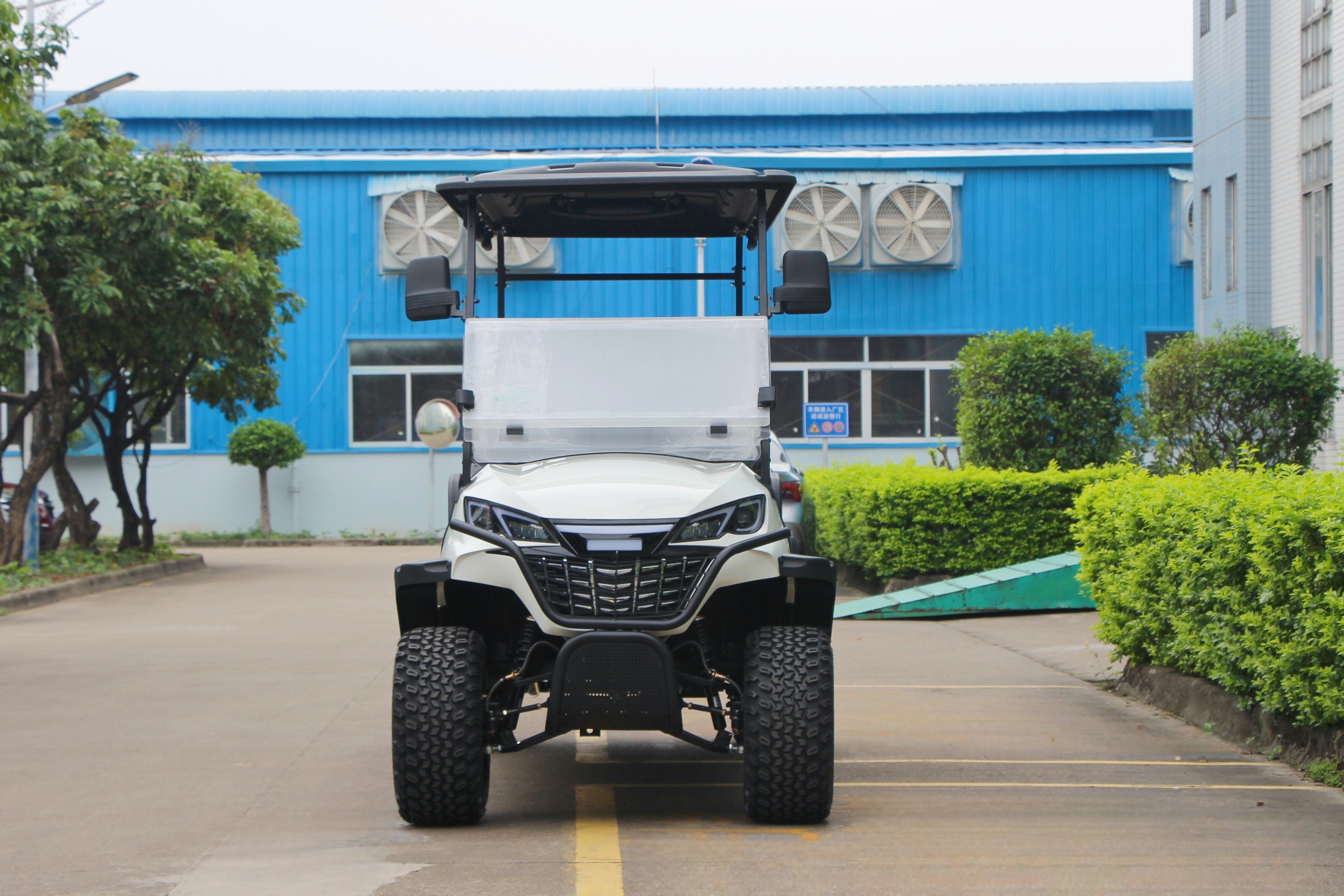
In electric golf cart manufacturing, tiered pricing aligns closely with production line mechanics and material procurement cycles. When ordering in larger quantities, assembly plants reduce per-unit overhead associated with machine calibration, mold preparation, and labor allocation. Electric golf carts—such as model LQD061—utilize electrophoretic metal chassis, durable composite bodies, and independent suspension systems engineered for high stability and extended operational life. Bulk sourcing of these structural components lowers overall factory cost drivers, allowing suppliers to pass direct savings to volume buyers.
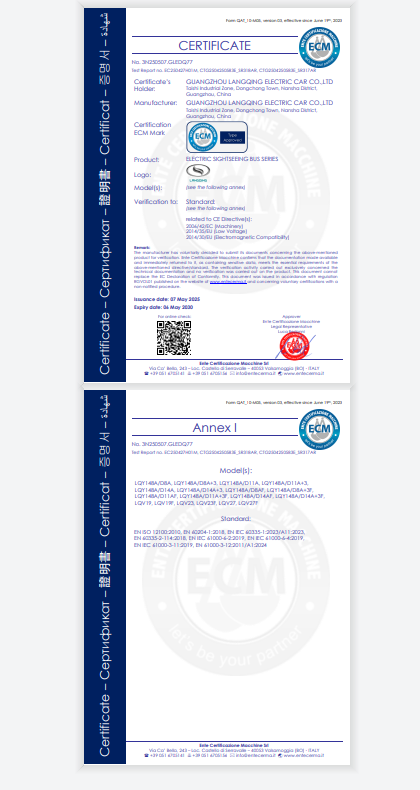
International regulatory compliance and quality assurance remain consistent regardless of order size. Units built for export hold certifications such as European CE compliance (Certificates: 3N250506.GLEDQ43, 3N250507.GLEDQ77, 3N250507.GLEDQ78), verifying adherence to international safety and performance standards across European, American, and Middle Eastern markets.
Real-world deployments demonstrate the practicality of fleet-scale purchasing. For example, a municipal government dealer project in Cuba acquired over 3,500 shuttle units for long-term urban transport, while a municipal project in Singapore deployed 156 waste transfer mini-trucks. Similar bulk deployments include 131 cultural tourism shuttle units for a museum operator in Egypt and 20 specialized airport shuttles in Argentina. These projects show how high-volume orders streamline international logistics and long-term fleet standardization.
Data/Solution Comparison
The operational and commercial specifications associated with different purchase volumes are detailed below:
| Order Volume Tier | Minimum Order Quantity (MOQ) | Typical Delivery Time | Quality Control Method | Logistics & Payment Support |
|---|---|---|---|---|
| Sample / Individual Unit | 1 unit | 15 - 20 days | 100% line testing & road testing | Sea freight; 30% deposit & balance before loading |
| Medium Fleet Order | 10 - 50 units | 15 - 30 days | Advanced equipment + double manual inspection | Sea freight; 30% deposit & balance before loading |
| Large Municipal / Commercial Fleet | 50+ units | 15 - 30 days | 100% automated line testing, slope test platform, road testing | Sea freight container logistics; flexible commercial support |
Frequently Asked Questions (FAQ)
Q: What is the standard minimum order quantity (MOQ) for electric golf carts?
A: The standard minimum order quantity is 1 unit, allowing buyers to evaluate vehicle specifications, ergonomic seating, and chassis performance before committing to larger fleet purchases.
Q: How does bulk purchasing impact delivery lead times?
A: Delivery times generally range from 15 to 30 days depending on order volume and custom options. Monthly production capacities of up to 1,000 units ensure timely fulfillment of high-volume fleet orders.
Q: What quality inspection processes are applied to bulk-manufactured vehicles?
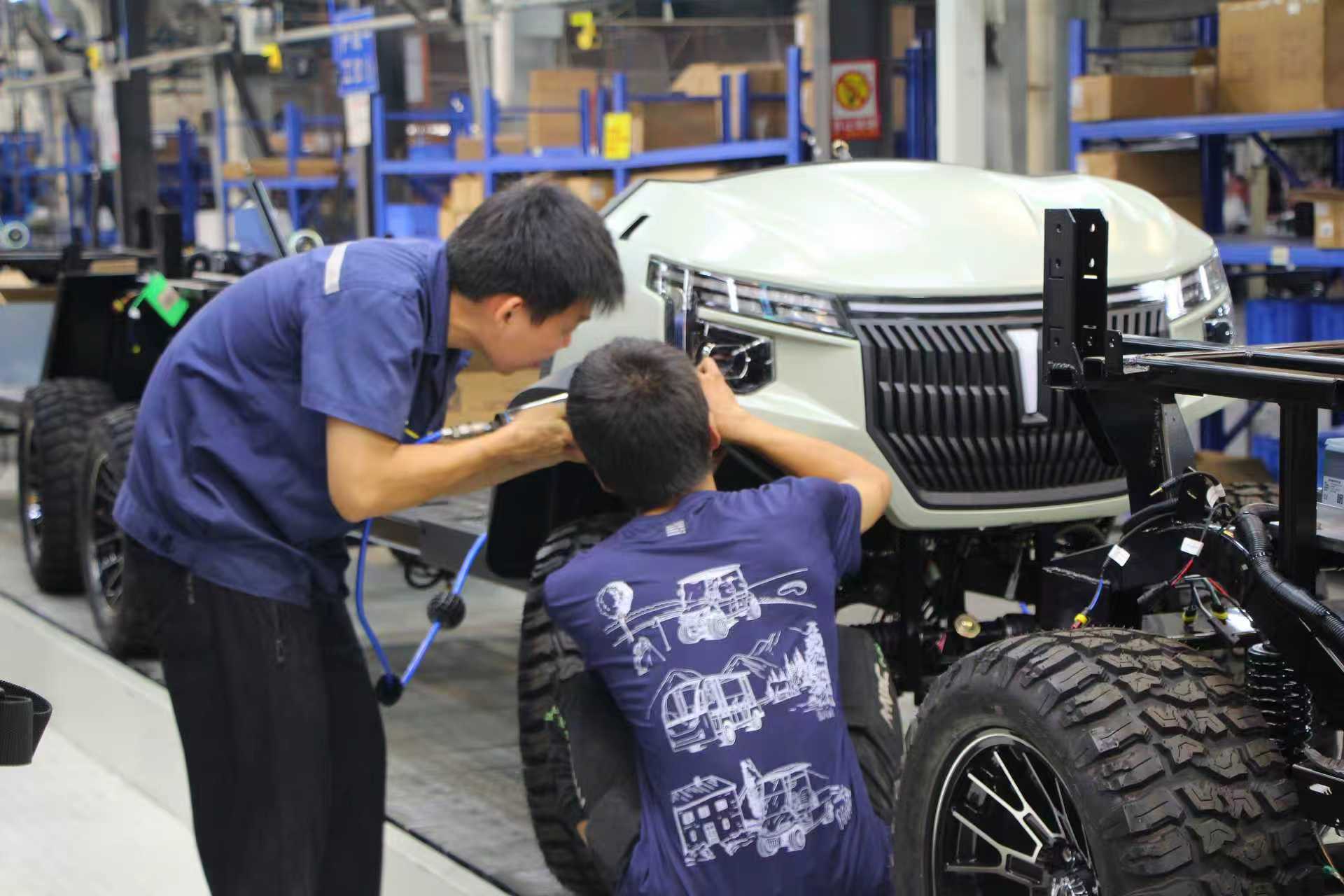
A: Every vehicle undergoes a standardized quality control protocol consisting of automated inspection line testing, dedicated slope platform testing, and functional road testing before delivery approval.
Final Conclusion & Recommendations
Tiered pricing structures provide substantial financial and operational advantages for enterprises acquiring electric golf carts in volume. Operating under an integrated industry-and-trade business model, manufacturers combine large-scale factory capacities—producing up to 1,000 units monthly—with direct export channels. All vehicles are backed by a 1-year whole-vehicle warranty, standard sea freight shipping arrangements, and structured payment terms (30% deposit with balance due prior to loading). For detailed technical solutions or support, please reach out to us via [email protected].
About Us
Guangzhou Langqing Electric Car CO., LTD. was established in 2000 in the Nansha Economic Development Zone, Guangzhou, operating a 35,000-square-meter manufacturing facility with an export ratio of 80% across North America, South America, Europe, the Middle East, and Southeast Asia. Recognized as a national High-tech Enterprise for 16 consecutive years with over 80 technical patents, the company maintains a monthly capacity of 1,000 units supported by a 30-member R&D team and specialized testing platforms. Our products carry international certifications including ISO9001, ISO14001, ISO10012, ISO45001, and EU CE, serving commercial dealers, municipal agencies, and resort operators worldwide.

Lastest
-
How are replacement spare parts provided for a 17seats bus?
2026-08-12 -
What is the typical deposit percentage for a 23seats bus order?
2026-08-12 -
What recyclable components are used in modern golf carts?
2026-08-12 -
What is the warranty policy for air conditioning on 23seats bus?
2026-08-12 -
What battery specs should I check when buying electric golf carts?
2026-08-12
SUBSCRIBE
INQUIRY