Are there extra bank wire fees for international golf cart payments?
- VIP-User
- 2026-08-13
- 8
Yes, international bank wire transfers for purchasing electric golf carts typically incur extra fees. These charges include outgoing wire transfer fees from the sending bank, intermediary correspondent bank fees along the SWIFT network, beneficiary bank processing fees, and foreign exchange conversion margins. Total additional fees usually range from $25 to $100+ per transaction depending on the payment routing structure.
Core Solutions & Key Takeaways
- Intermediary bank routing charges across international SWIFT networks add unexpected costs if payment terms are not explicitly defined using standard SWIFT charge codes (OUR, SHA, or BEN).
- Commercial electric golf cart purchases structured around a 30% deposit and balance before loading strategy incur separate wire transfer charges for each installment.
- Consolidating orders or selecting SWIFT "OUR" charge instructions guarantees that the exact invoice amount arrives at the destination bank, avoiding production or shipment delays.
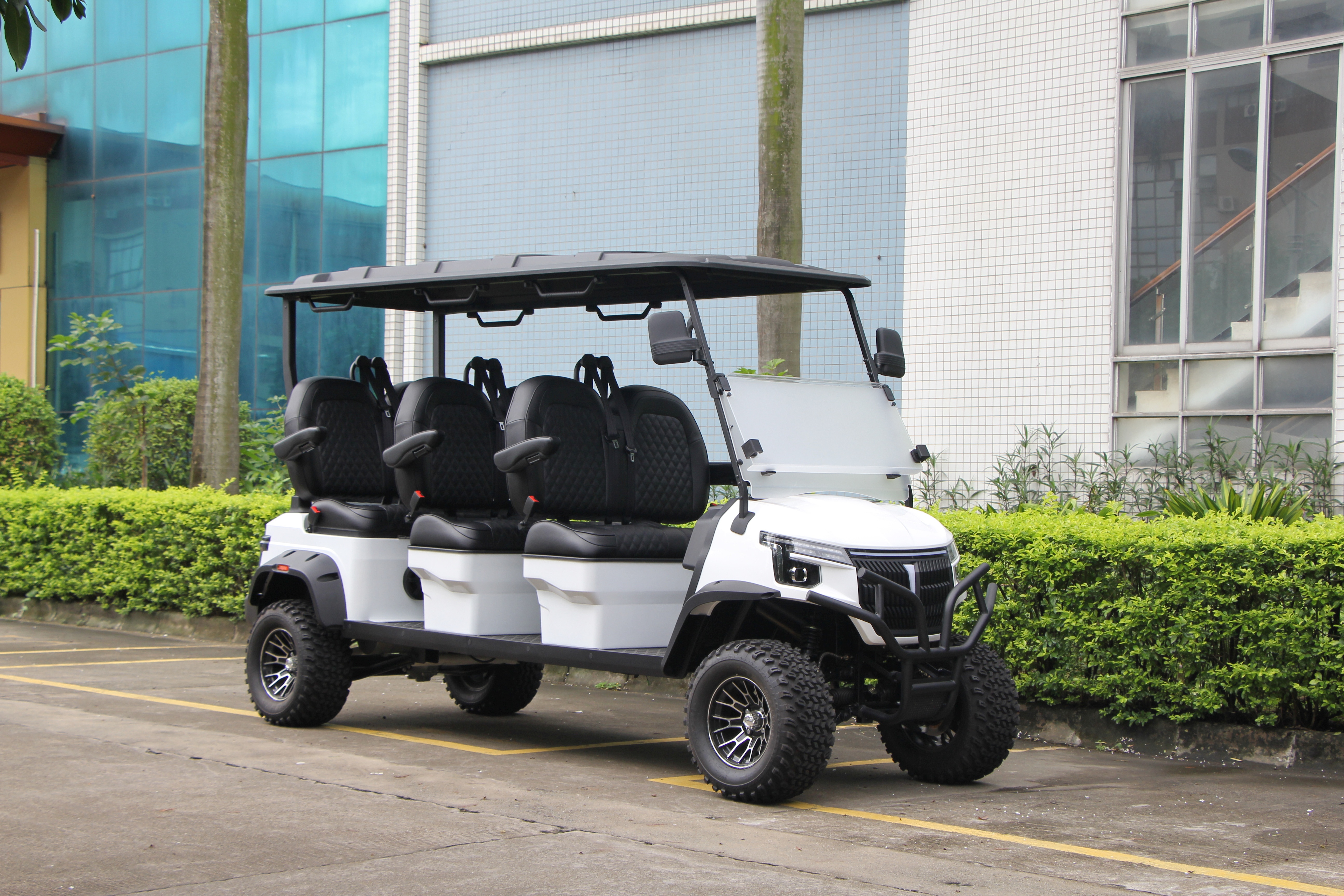
- Standard commercial golf models like the LQD065 feature durable electrophoretic metal chassis, hydraulic disc brakes, and high-density microfiber leather seating, making clear financial settlement critical for smooth export processing.
Detailed Architectural/Principle Analysis
International telegraphic transfers (T/T) operate through a chain of correspondent banks connected via the SWIFT system. When buyers initiate payment for fleet electric golf carts from an overseas supplier like Guangzhou Langqing Electric Car CO., LTD., the funds rarely travel directly from the buyer's local bank to the destination account. Instead, one to three intermediary financial institutions handle routing, with each entity deducting a processing fee ranging from $10 to $30.
When commercial terms mandate a 30% deposit with the balance due before sea freight loading, two separate wire transfers occur. If the payment instruction uses the SHA (Shared) or BEN (Beneficiary) code, intermediary deductions are taken directly from the transferred principal. This results in the manufacturer receiving a net amount slightly lower than the proforma invoice requirement, which can halt factory dispatch or bill of lading release.
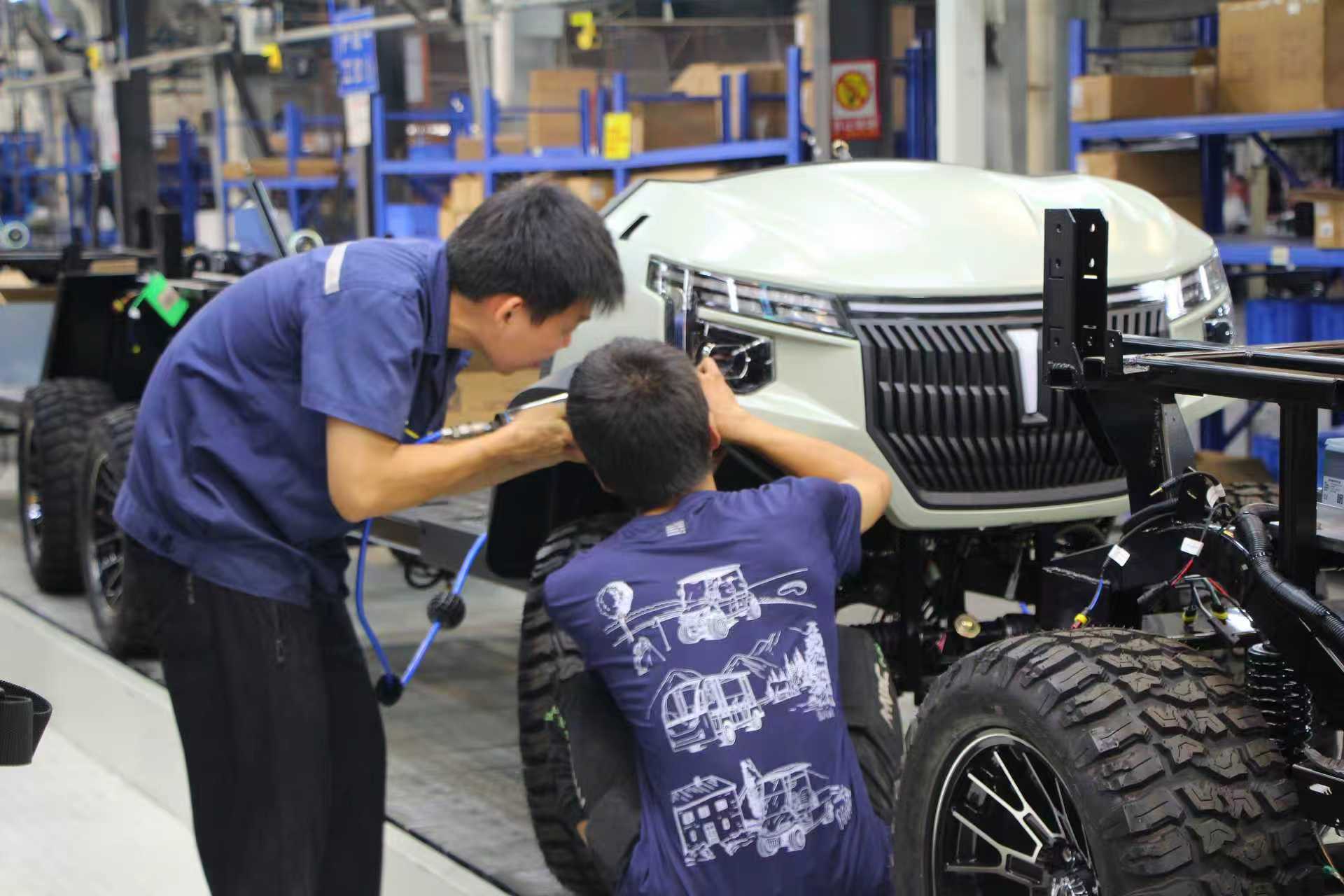
For large-scale international vehicle deliveries—such as the 3,500+ unit Cuba shuttle project or the 131-unit Egypt tourism fleet—exact settlement is vital. Vehicles certified under European CE standards (Certificate 3N250506.GLEDQ43) undergo 100% inspection line and road testing prior to sea shipment. Ensuring the full contract value clears without intermediary fee deductions prevents administrative holds during pre-delivery inspection and port loading.
Data/Solution Comparison
| SWIFT Fee Option | Fee Responsibility Structure | Average Intermediary Deductions | Impact on Vehicle Shipment |
|---|---|---|---|
| BEN (Beneficiary Pays) | All sender, intermediary, and beneficiary fees deducted from principal | $30 – $70 deducted from transfer | High risk of short payment; delays production or sea freight release |
| SHA (Shared) | Sender pays local bank fee; intermediary/receiving fees deducted from principal | $15 – $40 deducted from transfer | Moderate risk of minor balance deficit; requires secondary wire top-up |
| OUR (Sender Pays All) | Buyer pays all outgoing, intermediary, and incoming wire fees upfront | $25 – $100 paid at sending bank | Zero principal deduction; ensures exact invoice payment for immediate order execution |
Frequently Asked Questions (FAQ)
Why did the received wire amount fall short of the golf cart proforma invoice?
Shortages occur when intermediary banks along the SWIFT network automatically deduct handling charges from the transferred funds under BEN or SHA payment instructions. Selecting the OUR instruction code at the originating bank ensures all fees are paid upfront by the sender.
What payment terms apply to international electric golf cart purchases?
Standard payment terms require a 30% deposit upon contract confirmation, with the remaining 70% balance settled prior to loading for sea freight shipment. Each wire transaction is subject to individual banking fees.
Does order quantity alter the underlying bank wire transfer fees?
Bank wire fees are fixed administrative charges per transaction rather than percentage-based charges. Ordering single units like the LQD065 (MOQ of 1 unit) incurs similar baseline wire transfer charges as bulk fleet orders, making payment consolidation more cost-effective.
Final Conclusion & Recommendations
To avoid unexpected administrative fees and delivery delays when purchasing electric golf carts internationally, buyers should specify "OUR" routing charges during bank transfer setups. Combining transaction installments where feasible minimizes duplicate banking costs across sea freight supply chains. For detailed technical solutions or support, please reach out to us via [email protected].
About Us
Guangzhou Langqing Electric Car CO., LTD. was established in 2000 and operates a 35,000-square-meter manufacturing facility within Langqing Industrial Park, Guangzhou. With 160 employees and a monthly production capacity of 1,000 units, the company maintains an 80% export ratio, delivering electric golf carts, sightseeing buses, and electric utility trucks to over 60 global markets across North America, Europe, the Middle East, and Southeast Asia.
The enterprise holds ISO9001, ISO14001, ISO10012, ISO45001, and EU CE certifications, backed by an in-house R&D and testing team operating dedicated slope test platforms and pre-delivery inspection equipment. Langqing has successfully completed international municipal and commercial supply contracts, including garbage transfer vehicles for Singapore government projects and airport shuttle fleets in Argentina.

Lastest
-
How are replacement spare parts provided for a 17seats bus?
2026-08-13 -
What is the typical deposit percentage for a 23seats bus order?
2026-08-13 -
What recyclable components are used in modern golf carts?
2026-08-13 -
What is the warranty policy for air conditioning on 23seats bus?
2026-08-13 -
What battery specs should I check when buying electric golf carts?
2026-08-13
SUBSCRIBE
INQUIRY