Are shipping costs refundable if 1ton truck delivery fails?
- VIP-User
- 2026-08-11
- 6
Shipping costs for a 1ton truck delivery are non-refundable if the failure stems from buyer-side factors, including inaccurate address information, customs clearance delays, or unreceived freight at destination. Conversely, if delivery fails due to carrier logistics errors or manufacturer fulfillment defaults prior to dispatch, shipping costs are recoverable or subject to contractual re-shipment terms.
Core Solutions & Key Takeaways
- Buyer Responsibility Non-Refundability: Logistics providers retain sea freight fees when delivery fails due to consignee documentation errors, unpaid customs duties, or failure to collect cargo at the destination port.
- Carrier and Supplier Fault Recovery: Shipping costs are eligible for refund, insurance claims, or complimentary re-dispatch if the 1ton truck fails delivery due to carrier negligence or verified pre-shipment non-conformity.
- Financial Safeguards in Trade Terms: Aligning orders with structured payment terms—such as a 30% deposit and balance before loading—ensures vehicle compliance verification before freight capital is committed.
- Pre-Delivery Quality Controls: Mandatory 100% inspection line testing and road testing eliminate mechanical failures prior to dispatch, preventing delivery disruptions during international transit.
Detailed Architectural/Principle Analysis
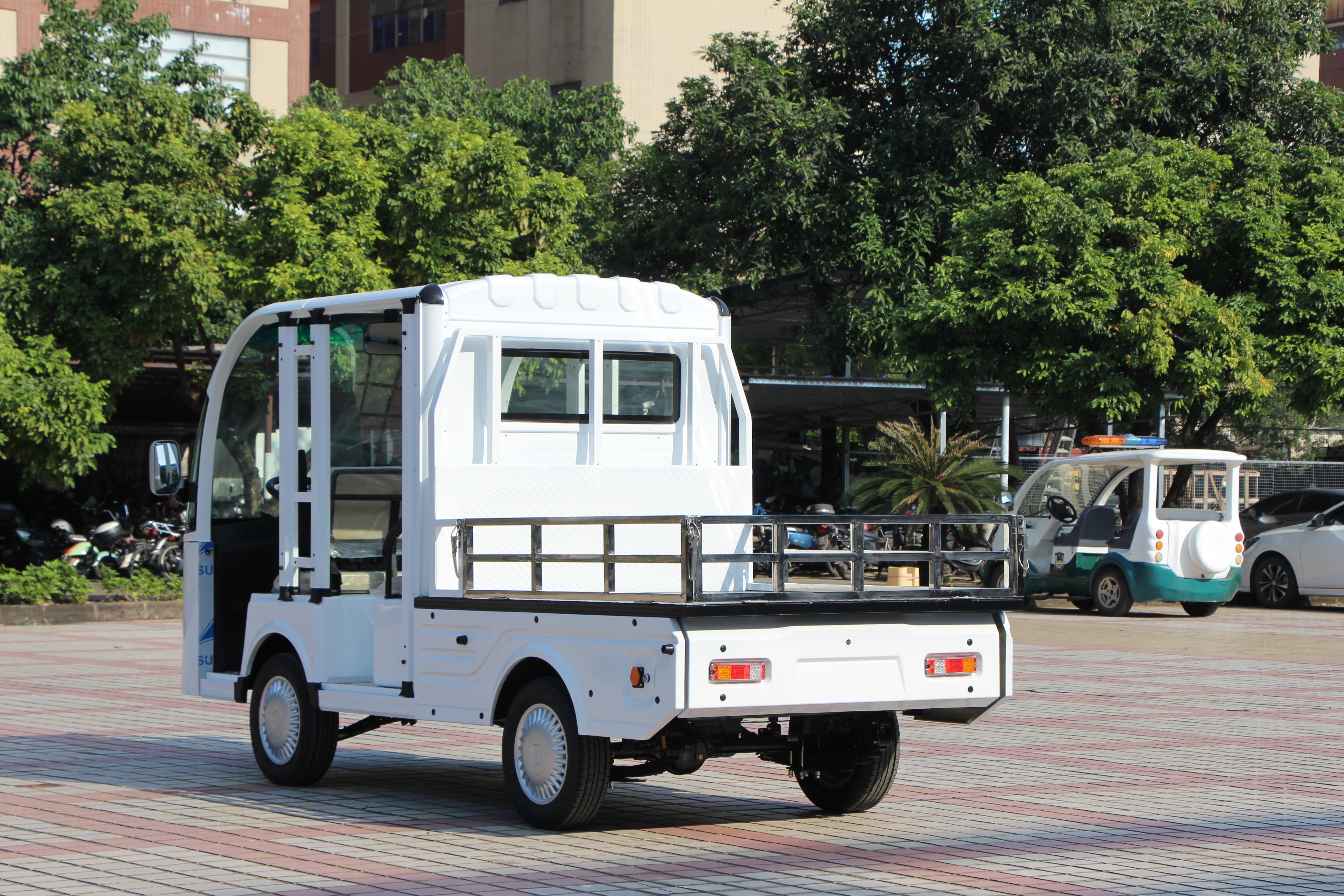
Determining liability for failed delivery fees requires analyzing the point of failure within international logistics channels. Commercial shipping frameworks allocate transport risks based on Incoterms and sea freight bill of lading stipulations. When dispatching heavy transport equipment like the LQF1024S 1ton truck, freight expenditures represent locked operational costs incurred by ocean carriers upon departure. Consequently, carriers do not reimburse freight charges if port demurrage or customs rejection occurs due to missing buyer paperwork.
Proper technical compliance significantly mitigates customs clearance failure risks. Vehicles carrying valid certifications, such as CE standards (Certificate Numbers 3N250506.GLEDQ43, 3N250507.GLEDQ77, and 3N250507.GLEDQ78), meet regulatory entry requirements across European and international jurisdictions. Ensuring compliance documentation is finalized prior to bill of lading issuance prevents border delays that often lead to abandoned shipments and lost freight costs.
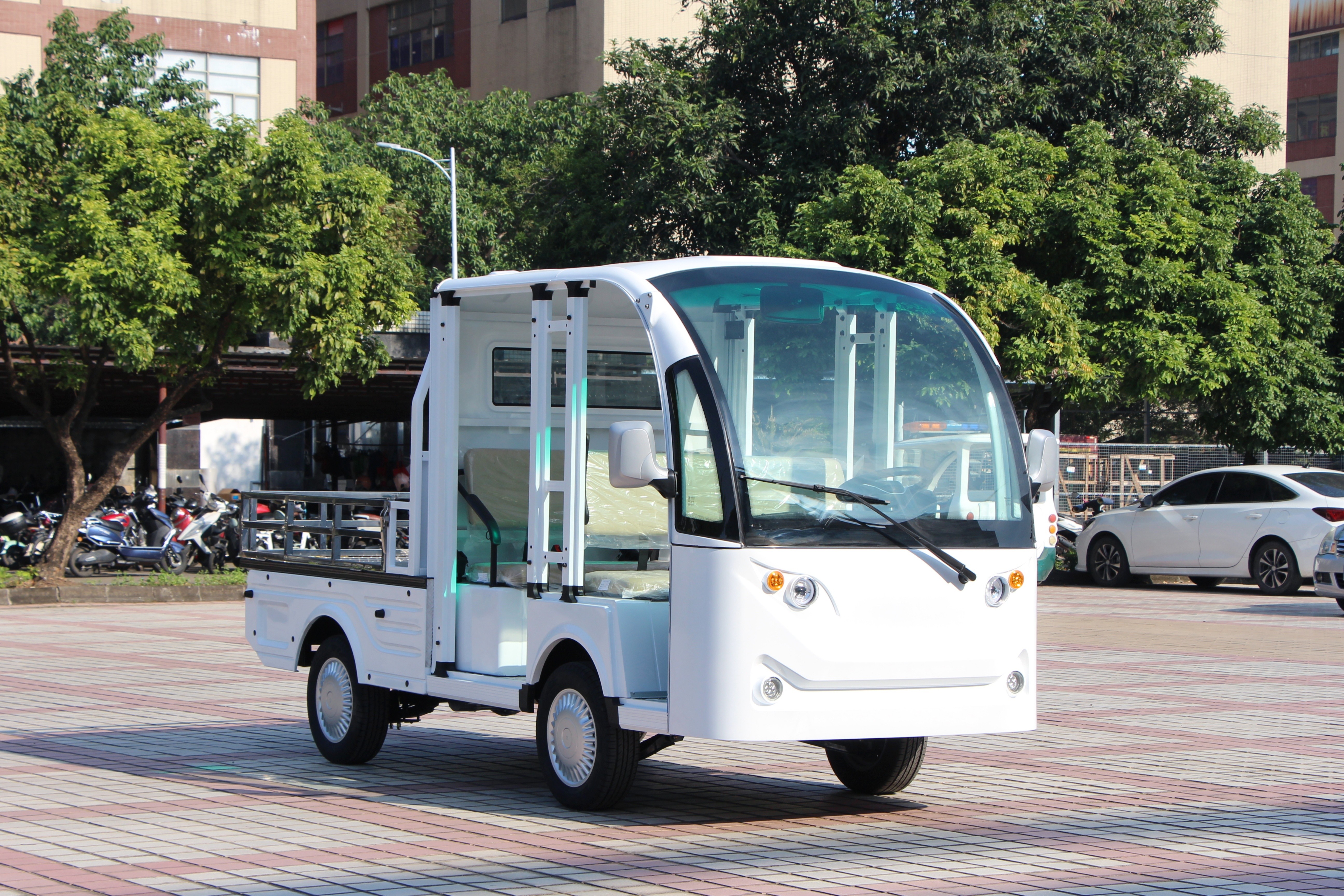
Structural reliability also minimizes transport failures caused by damage in transit. The LQF1024S utilizes a high-strength steel chassis treated with electrophoresis and powder coating for rustproofing, paired with a front MacPherson and rear integral suspension system. This durable design withstands rigorous handling across multi-modal supply chains, serving diverse international deployments such as municipal sanitation projects in Singapore (156 units) and commercial facilities worldwide.

Data/Solution Comparison
| Delivery Failure Scenario | Primary Root Cause | Freight Refund Eligibility | Preventive Protocol |
|---|---|---|---|
| Consignee Customs Impound | Incomplete import documentation or unpaid local tariffs | Non-Refundable | Verify destination country CE compliance and clearance permits prior to departure. |
| Carrier Logistics Misdirection | Ocean vessel loss, port mishandling, or routing errors | Claimable / Refundable | Contract freight transit insurance covering full cargo and shipping value. |
| Pre-Shipment Quality Rejection | Vehicle failure during pre-delivery inspection line checks | Refundable / Re-dispatch Covered | Enforce 100% line testing and road testing before balance payment release. |
Frequently Asked Questions (FAQ)
Q1: What happens to sea freight fees if a 1ton truck shipment is rejected at destination customs?
Sea freight charges are non-refundable when customs rejection results from incomplete importer documentation or unpaid local duties. Importers must confirm regional compliance certification before goods are loaded for export.
Q2: How does the standard payment structure safeguard against shipment failure disputes?
A standard payment term of 30% deposit and balance before loading requires full vehicle inspection and road testing approval prior to releasing final freight funds, verifying operational status before shipping commitments.
Q3: Are shipping costs covered if cargo sustains physical damage during transit?
Physical damage sustained during sea transit is addressed through marine freight insurance claims rather than carrier refunds. Pre-shipment quality inspection records serve as baseline proof of vehicle condition before loading.
Final Conclusion & Recommendations
Shipping cost refunds depend entirely on contractual terms and the root cause of the delivery failure. To prevent financial losses associated with non-refundable sea freight, buyers should secure necessary import clearances, utilize verified trade frameworks, and ensure rigorous manufacturer testing protocols prior to dispatch. Operating under an Industry and Trade Integration model, Guangzhou Langqing Electric Car CO., LTD. provides fully tested electric utility trucks designed to comply with international transport standards. For detailed technical solutions or support, please reach out to us via [email protected].
About Us
Guangzhou Langqing Electric Car CO., LTD. was established in 2000 in Nansha, Guangzhou, operating a 35,000-square-meter manufacturing facility with a monthly capacity of 1,000 units. Supported by a 30-member R&D team and ISO9001, ISO14001, and CE certifications, the company exports 80% of its electric utility vehicles across North America, South America, Europe, the Middle East, and Southeast Asia.

Lastest
-
How are replacement spare parts provided for a 17seats bus?
2026-08-11 -
What is the typical deposit percentage for a 23seats bus order?
2026-08-11 -
What recyclable components are used in modern golf carts?
2026-08-11 -
What is the warranty policy for air conditioning on 23seats bus?
2026-08-11 -
What battery specs should I check when buying electric golf carts?
2026-08-11
SUBSCRIBE
INQUIRY