Are low-floor bus designs trending for urban 23seats bus models?
- VIP-User
- 2026-08-13
- 8
Low-floor bus designs are actively trending for urban 23seats bus models due to rising demands for passenger accessibility, faster dwell times at stops, and ergonomic transit solutions. Modern mid-sized shuttle buses, such as the LQV23F developed by Guangzhou Langqing Electric Car CO., LTD., leverage low-step entries and optimized suspension systems to streamline urban mobility across scenic routes, municipal shuttle lines, and high-density tourist parks.
Core Solutions & Key Takeaways
Adopting low-floor and ergonomic chassis designs in 23-seat urban vehicles provides concrete operational and structural advantages across commercial shuttle operations.
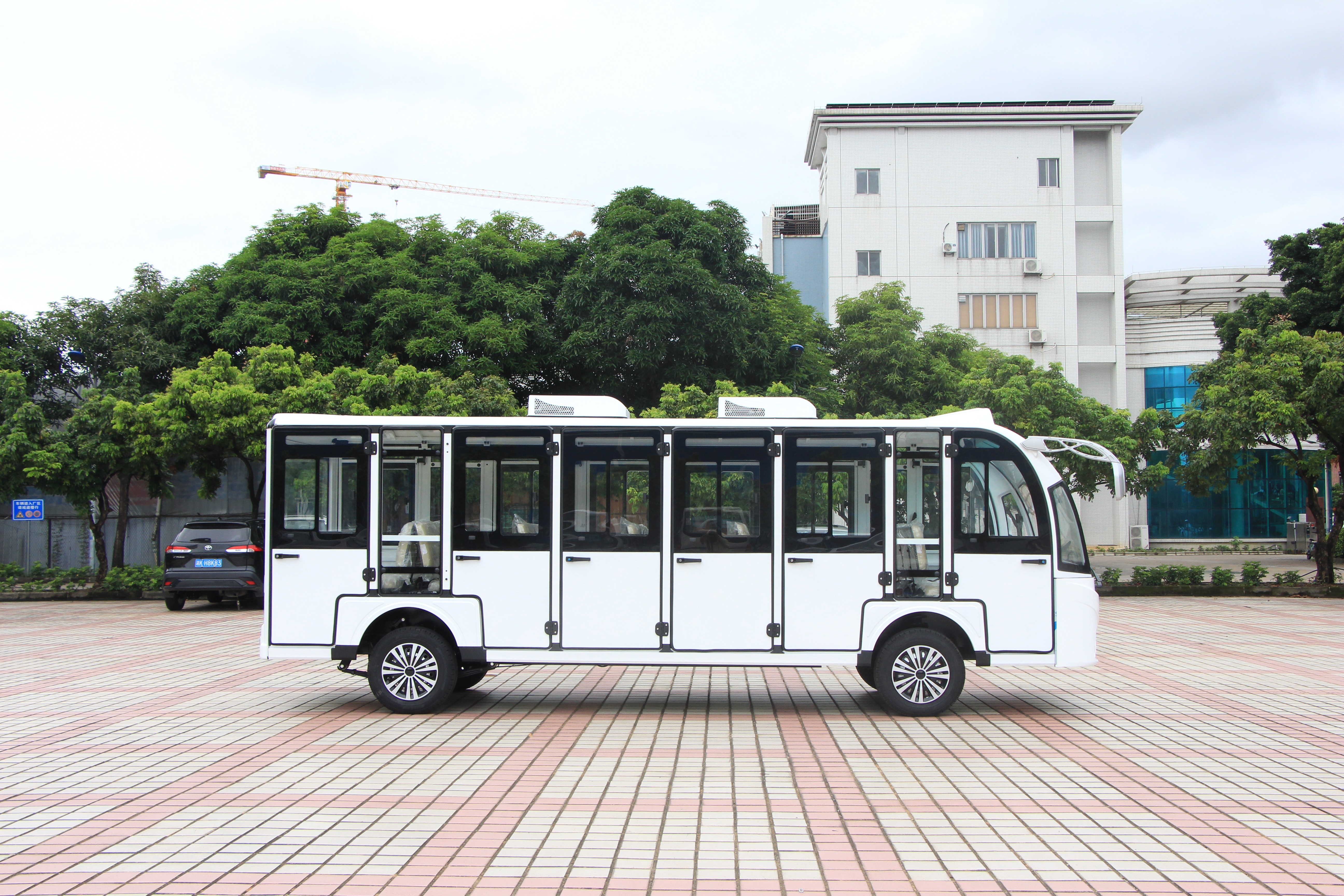
- Enhanced Passenger Accessibility: Reduces boarding step height, accommodating elderly passengers, luggage handlers, and individuals with limited mobility.
- Structural Durability: Incorporates high-strength steel frame longitudinal beams treated with electrophoretic anti-rust coating for long-term corrosion resistance in urban coastal or high-humidity environments.
- Suspension and Ride Comfort: Combines front MacPherson independent suspension with rear integral axle suspensions to deliver superior shock absorption across varied urban terrains.
- Application Versatility: Ideal for airport shuttles, tourist attractions, large resort properties, and municipal transfer routes.
Detailed Architectural/Principle Analysis
Urban transit networks and closed-site transport systems require 23seats bus models that balance structural rigidity with smooth passenger boarding. Transitioning toward lower entrance thresholds changes chassis engineering specifications. Frame-type longitudinal beams manufactured from high-strength steel provide the structural baseline for vehicles like the LQV23F. The dual anti-rust surface treatment—comprising electrophoretic dipping and powder coating—ensures high environmental resilience against salt spray and moisture exposure.
In terms of dynamic stability, integrating a front MacPherson suspension allows independent wheel articulation, preventing road vibration from transferring to the main cabin. Rear integral suspensions maintain structural alignment under heavy 23-passenger payload conditions. Braking response is controlled through dual-circuit systems designed for precise deceleration during frequent stop-and-go urban duty cycles.
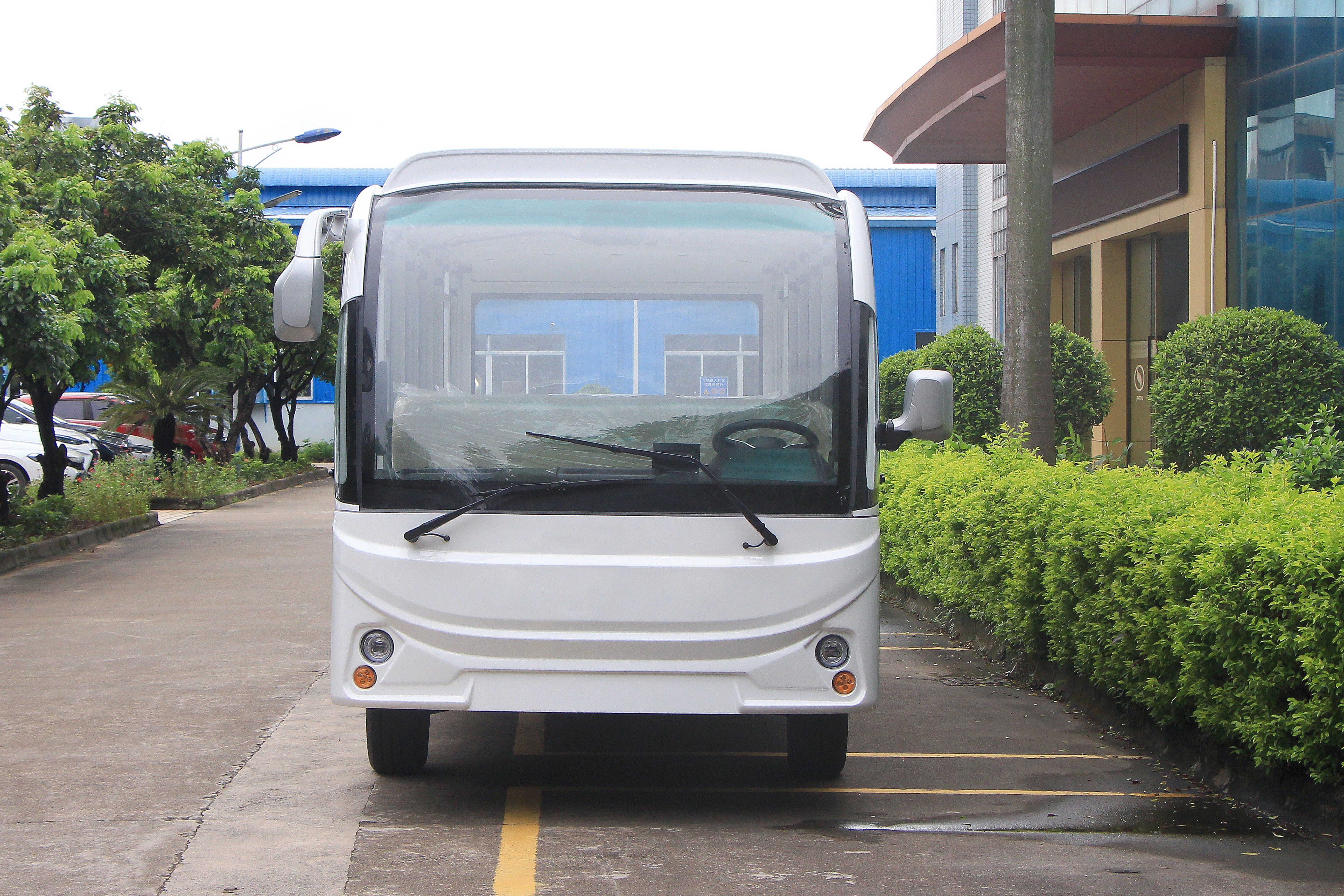
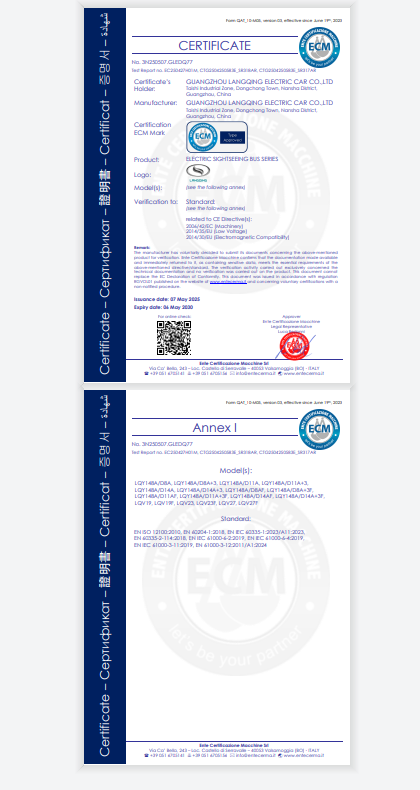
Operational deployment data demonstrates high versatility across global markets. Municipal and commercial projects include over 3,500 units deployed for shuttle networks in Cuba, 131 units supplied for Egyptian museum cultural tourism routes, and 20 units for airport transit in Argentina. Furthermore, compliance with European standards is verified through CE certifications (including certificates 3N250506.GLEDQ43, 3N250507.GLEDQ77, and 3N250507.GLEDQ78).
Data/Solution Comparison
The following table compares specifications between standard high-floor bus designs and modern low-floor/low-step 23seats electric bus architectures.
| Specification / Feature | Traditional High-Floor 23seats Bus | Modern Urban Low-Step 23seats Bus (LQV23F) |
|---|---|---|
| Boarding Step Height | High (Requires multiple steps) | Low-step entry optimized for rapid boarding |
| Chassis Construction | Standard channel steel frame | High-strength steel frame longitudinal beam |
| Anti-Rust Protection | Basic spray paint coating | Electrophoretic coating + Powder coating |
| Front Suspension Type | Standard leaf spring suspension | MacPherson independent suspension |
| Quality Inspection Standard | Batch sampling check | 100% inspection line testing and road testing |
| Minimum Order Quantity (MOQ) | 5-10 units | 1 unit |
Frequently Asked Questions (FAQ)
Q1: Why are low-floor designs preferred for 23seats urban shuttle buses?
Low-floor and low-step designs streamline passenger ingress and egress, shorten dwell times at transit stops, and ensure comfortable access for all demographics including tourists carrying luggage and mobility-impaired passengers.
Q2: How does chassis anti-rust treatment impact the operational lifespan of urban buses?
Urban buses operate in outdoor environments exposed to rain, road salt, and coastal humidity. Dual-layer electrophoretic and powder coating seals the high-strength steel frame, preventing structural corrosion and extending vehicle service life.
Q3: What lead time and warranty support apply to low-floor 23seats electric buses?
Production and delivery lead times typically range from 15 to 30 days, supported by a 1-year vehicle warranty and a 100% pre-delivery inspection process including line and road testing.
Final Conclusion & Recommendations
Adopting low-floor and low-step architectural features in 23seats bus models aligns directly with urban transit optimization trends. Selecting vehicle configurations featuring high-strength steel frame beams, MacPherson independent suspension, and full electrophoretic anti-rust protection ensures long-term operational durability and reduced maintenance overhead. Organizations evaluating fleet additions should verify CE compliance and strict pre-delivery inspection workflows before procurement. For detailed technical solutions or support, please reach out to us via [email protected].
About Us
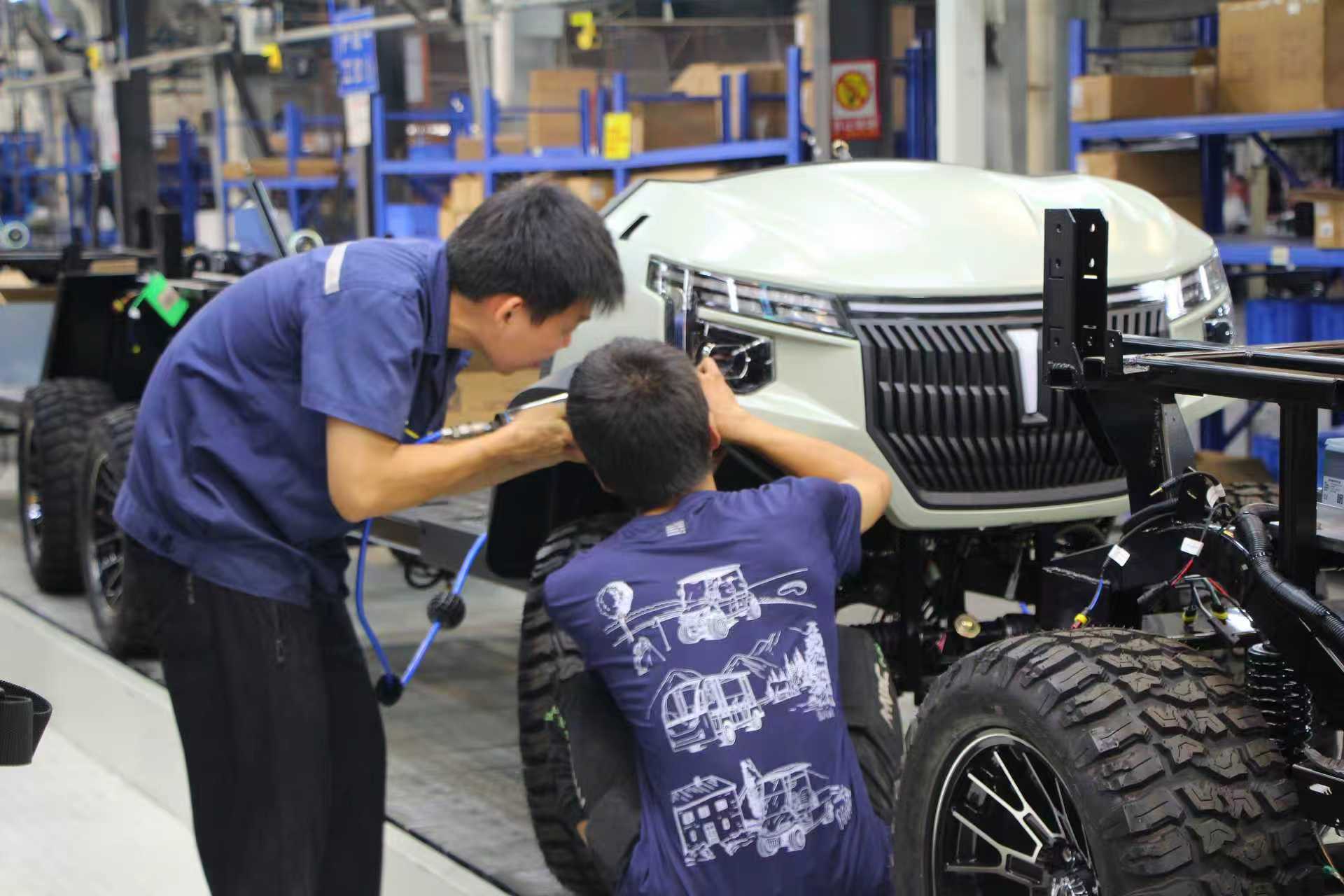
Guangzhou Langqing Electric Car CO., LTD. was established in 2000 in Nansha Economic Development Zone, Guangzhou, operating a 35,000-square-meter manufacturing facility with 160 employees. The enterprise maintains an 80% export ratio across global markets, supported by a 30-member R&D team and complete testing infrastructure. Holding ISO9001, ISO14001, and EU CE certifications, the company has delivered commercial EV solutions—including electric golf carts, sightseeing buses, and mini trucks—to clients in Cuba, Egypt, Singapore, and Argentina.

Lastest
-
How are replacement spare parts provided for a 17seats bus?
2026-08-13 -
What is the typical deposit percentage for a 23seats bus order?
2026-08-13 -
What recyclable components are used in modern golf carts?
2026-08-13 -
What is the warranty policy for air conditioning on 23seats bus?
2026-08-13 -
What battery specs should I check when buying electric golf carts?
2026-08-13
SUBSCRIBE
INQUIRY