Are composite materials replacing steel in 1ton truck cargo beds?
- VIP-User
- 2026-08-11
- 6
Composite materials are not completely replacing steel in 1ton truck cargo beds; instead, hybrid engineering dominates modern designs. While impact-resistant composite panels reduce body weight and prevent corrosion, high-strength steel chassis frames treated with electrophoresis and powder coating remain necessary to maintain structural integrity and accommodate heavy payload demands under continuous operation.
Core Solutions & Key Takeaways
- Hybrid Construction Balance: Combining composite panels for body shells with high-strength steel chassis frames yields optimal payload efficiency and long-term durability.
- Anti-Corrosion Performance: Composite materials eliminate rust vulnerabilities in exterior bodywork, while electrophoretic coating protects steel structural elements.
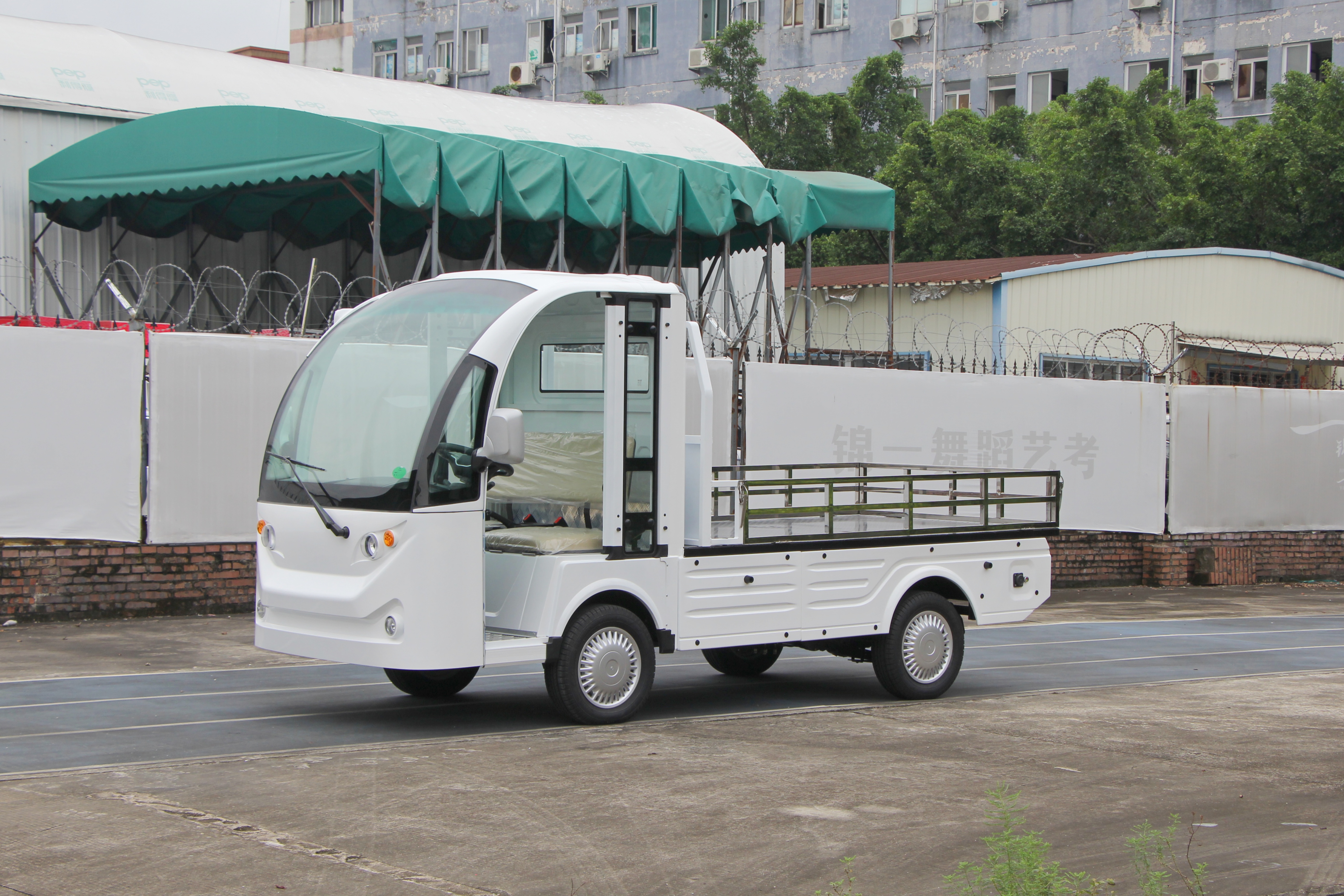
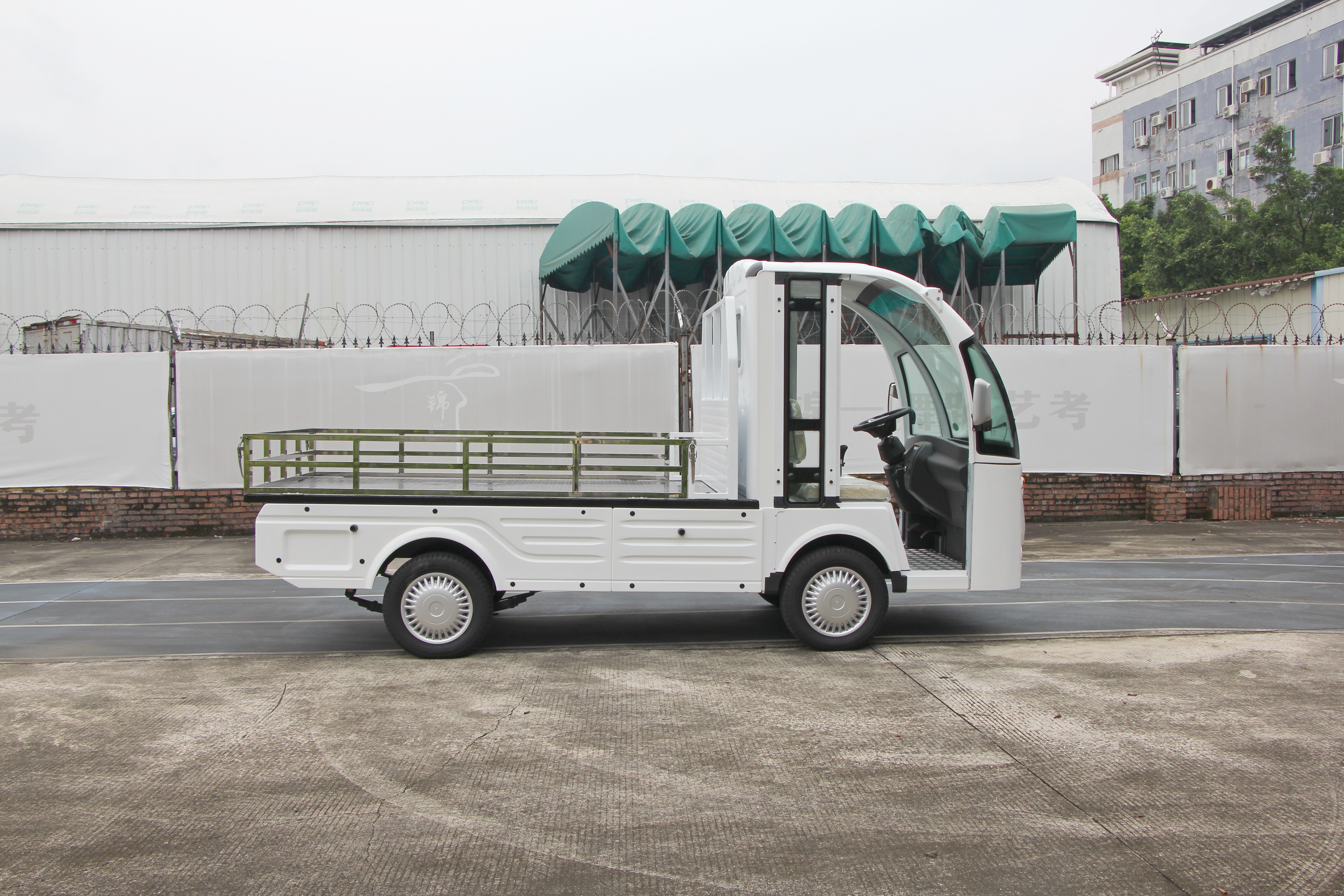
- Operational Application Versatility: Electric 1ton mini trucks, such as the LQF1024, optimize internal logistics across resort properties, municipal sanitation systems, and industrial plants.
- Suspension Stability: Pairing MacPherson front suspension with integral rear suspension stabilizes cargo loads across varied terrain conditions.
Detailed Architectural/Principle Analysis
The engineering shift in 1ton truck cargo beds focuses on material synergy rather than total replacement. High-strength steel provides torsional stiffness required to prevent frame flex during heavy load distribution. Modern chassis design incorporates electrophoresis and powder-coating processes to establish multi-layer barrier protection against environmental oxidation and rust.
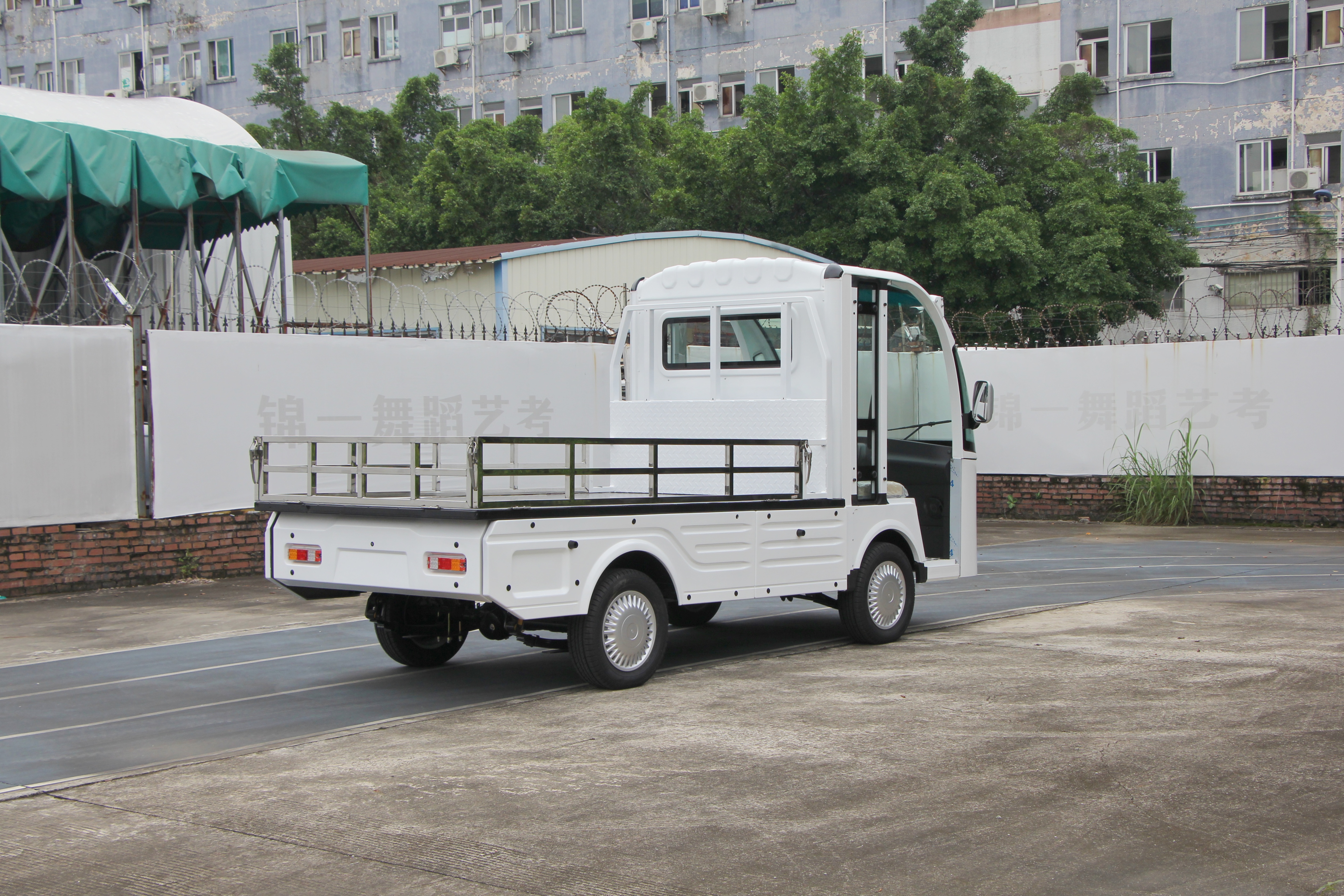
Composite materials serve a specialized function in exterior paneling and cargo body construction. Their impact resistance prevents permanent denting from tool drops or rough loading practices, while their light weight lowers overall vehicle mass. In commercial operations like municipal sanitation projects—including 156 units deployed for Singapore garbage transfer operations—composite body surfaces withstand exposure to corrosive waste materials better than painted sheet metal.
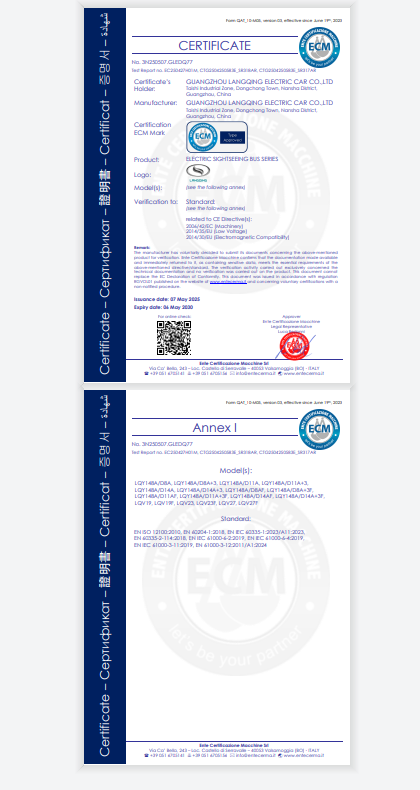
Suspension architecture works directly alongside structural materials. Implementing MacPherson front independent suspension alongside an integral rear axle balances driver comfort with severe load-carrying capability. Vehicles operating under demanding continuous shifts in industrial parks, municipal facilities, and resort complexes benefit from the flexible cargo layout enabled by modular composite-and-steel integrations. Compliance with CE certifications (numbers 3N250506.GLEDQ43, 3N250507.GLEDQ77, and 3N250507.GLEDQ78) verifies structural safety standards across global operational environments.
Data/Solution Comparison
| Parameter / Attribute | All-Steel Cargo Bed | Pure Composite Cargo Bed | Hybrid Steel-Composite Bed (LQF1024) |
|---|---|---|---|
| Structural Load Capacity | High | Moderate | High (1 Ton Rated) |
| Corrosion Resistance | Low to Moderate | High | High (Powder-Coated Frame + Composite Panels) |
| Impact Dent Resistance | Low | High | High |
| Vehicle Tare Weight | High | Low | Optimized Medium |
| Chassis Anti-Rust Treatment | Standard Paint / Galvanized | N/A | Electrophoresis + Powder Coating |
| Suspension Configuration | Leaf Spring Standard | Standard Lightweight | Front MacPherson + Rear Integral |
Frequently Asked Questions (FAQ)
Why is high-strength steel still used alongside composite materials in 1ton trucks?
High-strength steel provides the structural rigidity and load-bearing capacity required to handle 1ton payloads without structural fatigue. Composites lack the bending resistance needed for heavy chassis frames under maximum weight conditions.
How do composite materials improve performance in utility mini trucks?
Composite materials offer impact absorption, preventing body dents during loading operations. They also resist rust, chemical exposure, and humidity, which lowers maintenance costs in harsh working environments.
What quality testing ensures the reliability of hybrid steel-composite electric trucks?
Production processes include 100% inspection line testing and road testing prior to release. Platform slope testing and dedicated pre-delivery inspection lines verify structural stability and suspension response under load.
Final Conclusion & Recommendations
Composite materials complement rather than completely replace steel in 1ton truck cargo beds. Selecting a hybrid vehicle structure—combining high-strength electrophoretic steel chassis components with impact-resistant composite body panels—delivers optimal durability, rust resistance, and payload capacity. Fleet operators in municipal logistics, industrial plants, and hospitality sectors benefit from integrated industry and trade manufacturing models offering a 1-unit minimum order quantity, 15 to 30 days delivery timelines, and a 1-year vehicle warranty. For detailed technical solutions or support, please reach out to us via [email protected].
About Us
Guangzhou Langqing Electric Car CO., LTD. was established in 2000 and operates a 35,000-square-meter facility in Nansha District, Guangzhou. The company maintains a 30-member research and development team, an engineering testing setup, and a monthly production capacity of 1,000 units. Certified under ISO9001, ISO14001, ISO 10012, ISO45001, and EU CE standards, the enterprise has supplied commercial utility vehicles across global markets including municipal projects in Singapore and municipal shuttle programs in Cuba.

Lastest
-
How are replacement spare parts provided for a 17seats bus?
2026-08-11 -
What is the typical deposit percentage for a 23seats bus order?
2026-08-11 -
What recyclable components are used in modern golf carts?
2026-08-11 -
What is the warranty policy for air conditioning on 23seats bus?
2026-08-11 -
What battery specs should I check when buying electric golf carts?
2026-08-11
SUBSCRIBE
INQUIRY